Leading industrial and construction solutions provider in UAE & India. Supplying oil & gas equipment, building materials, electricals, and more.
Leading industrial and construction solutions provider in UAE & India. Supplying oil & gas equipment, building materials, electricals, and more.
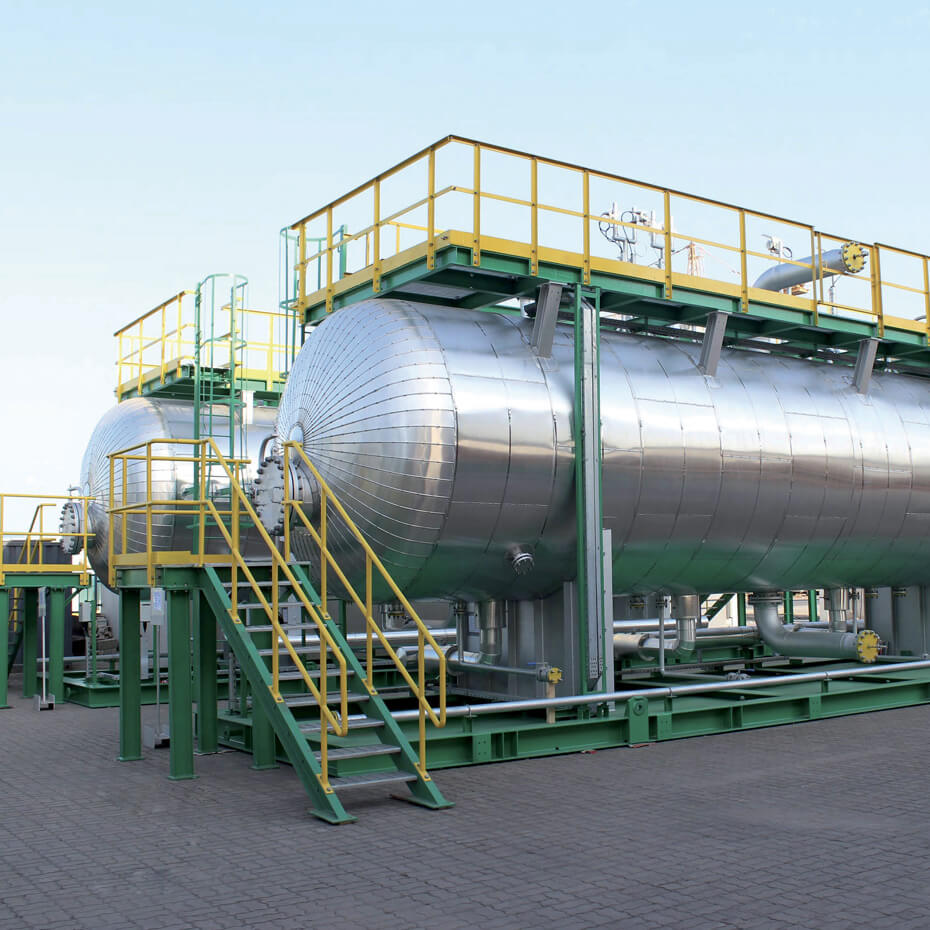
A Desalter is an essential part of crude oil refining operations, designed to remove salts, water, and suspended impurities from crude oil before it enters the atmospheric distillation unit. These contaminants, if not removed, can cause severe corrosion, fouling, and catalyst deactivation in downstream processing units.
MGV’s advanced electrostatic desalting systems utilize a high-voltage electric field to coalesce and separate water droplets from crude oil efficiently. The process ensures optimal dehydration and desalting with minimal chemical usage, providing cleaner feedstock for improved plant reliability and longer equipment life.
Our desalters are engineered for high performance, low maintenance, and flexible operation across a wide range of crude qualities. Built with corrosion-resistant materials, automatic control systems, and safety interlocks, they ensure continuous and safe operation even under demanding refinery conditions.
Whether for single-stage or dual-stage desalting, MGV’s solutions guarantee reduced maintenance downtime, extended exchanger run life, and improved environmental compliance. Designed with a strong focus on sustainability and energy efficiency, our desalters help refineries minimize water consumption and reduce waste disposal costs — delivering both operational excellence and economic value.
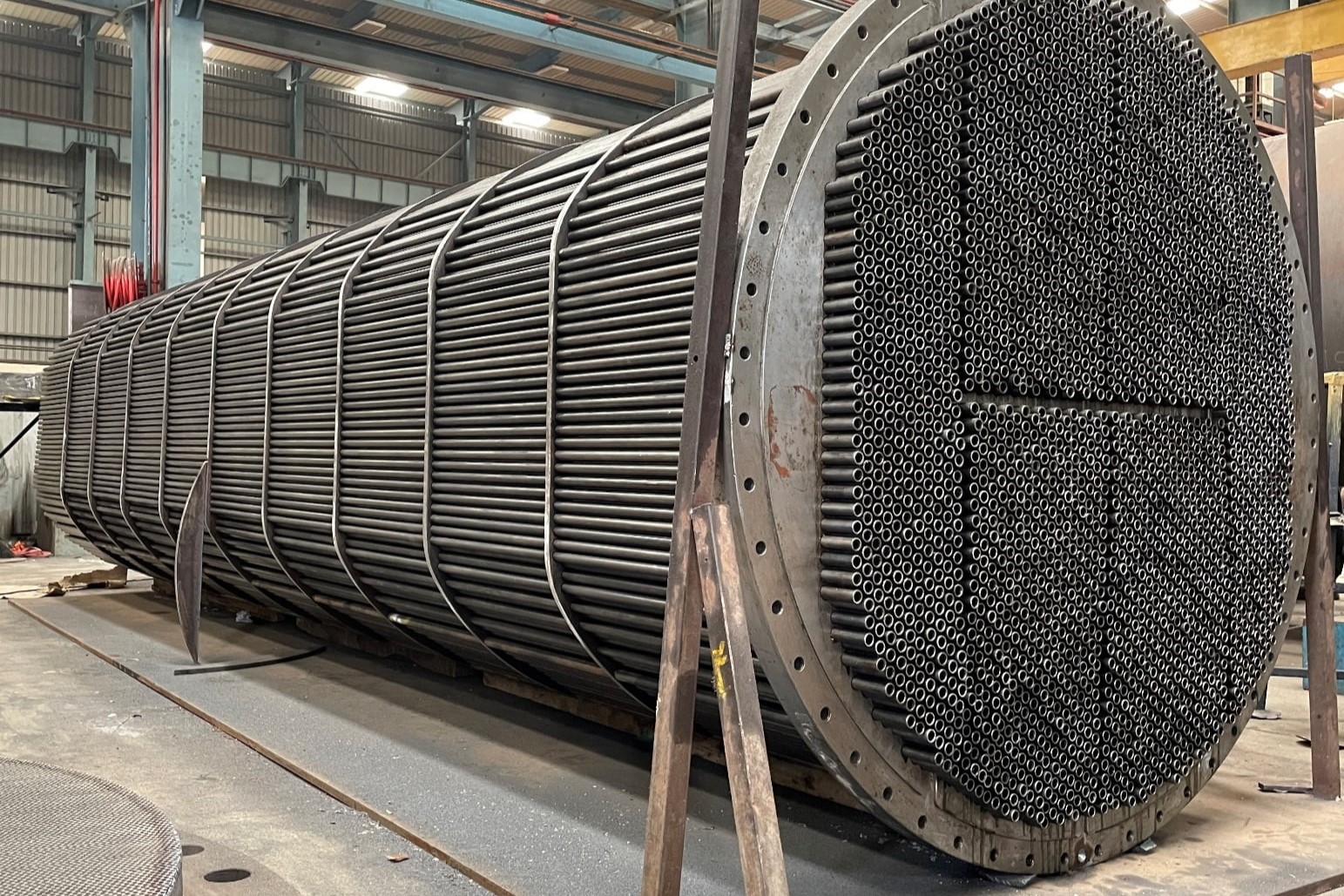
A Heat Exchanger is a critical component in industrial processes, facilitating efficient heat transfer between two or more fluids without direct contact. MGV designs and manufactures a comprehensive range of heat exchangers tailored for oil & gas, petrochemical, power, and water treatment industries.
Our heat exchangers are engineered to deliver superior thermal performance, mechanical integrity, and long service life. Using cutting-edge design software and advanced fabrication methods, MGV ensures precise temperature control and optimized energy recovery in every unit.
We offer multiple configurations — including shell & tube, plate, finned-tube, and air-cooled exchangers — each designed for specific operating pressures and temperature ranges. All units are manufactured in compliance with ASME and TEMA standards to ensure unmatched reliability.
With corrosion-resistant materials, easy maintenance access, and custom-built designs, our heat exchangers enhance process efficiency, reduce operational costs, and minimize energy loss. From refineries to chemical plants, MGV heat exchangers play a vital role in maintaining operational stability, performance, and sustainability across industries.
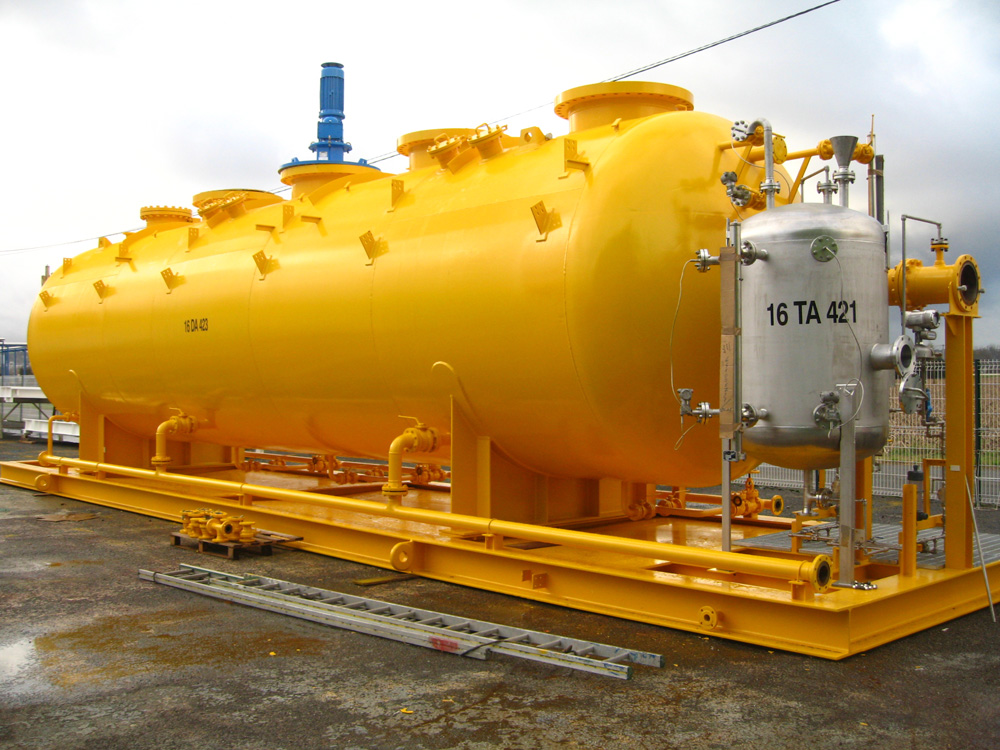
Induced Gas Floatation (IGF) Units are advanced water treatment systems designed to efficiently separate oil, grease, and suspended solids from produced water. MGV’s IGF units leverage micro-bubble aeration technology, where fine gas bubbles attach to oil droplets and suspended solids, allowing them to float to the surface for easy removal.
Our IGF systems are widely used in oil & gas production facilities, refineries, and petrochemical plants, offering high separation efficiency and minimal maintenance requirements.
Built with corrosion-resistant materials and modular skid-mounted construction, these units provide durability and flexibility for both onshore and offshore applications. The system can operate continuously under varying feed conditions and is equipped with automatic controls for consistent performance.
MGV’s IGF units not only help industries comply with strict environmental discharge regulations but also ensure maximum recovery of reusable hydrocarbons. With optimized hydraulic flow design and minimal power consumption, they provide a sustainable, cost-effective solution for wastewater treatment and resource recovery — enabling industries to operate with greater efficiency, safety, and environmental responsibility.
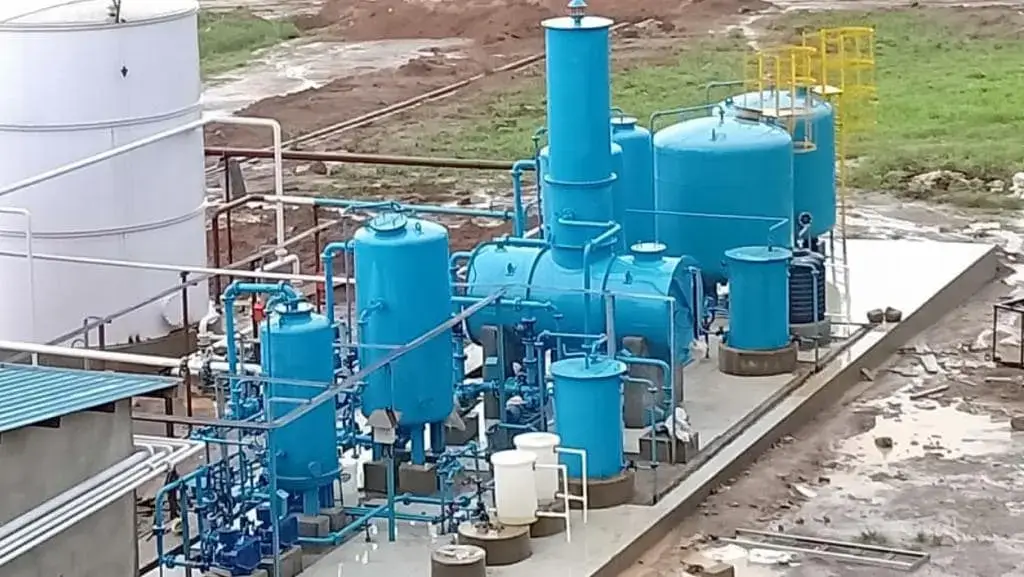
A Demin (Demineralization) Plant is designed to produce ultra-pure water by removing dissolved salts and ionic impurities from raw or process water through ion exchange technology. At MGV, we specialize in delivering high-capacity demin plants that serve critical applications in power generation, refineries, chemical manufacturing, and pharmaceuticals.
Our systems utilize a combination of cation, anion, and mixed-bed resin units to ensure the highest purity levels, typically achieving conductivity as low as 0.1 µS/cm. These plants are fully automated and equipped with user-friendly control systems for precise operation, minimal downtime, and optimal regeneration cycles.
Built with high-quality vessels, corrosion-resistant internals, and advanced monitoring instruments, MGV’s demin plants offer superior performance, long service life, and reduced operational costs.
Whether for boiler feedwater, process requirements, or laboratory use, our demin plants ensure reliable water quality that meets the most stringent industry standards. Each system is designed for maximum efficiency, minimal chemical usage, and sustainability, helping industries achieve continuous operation with consistent output quality.
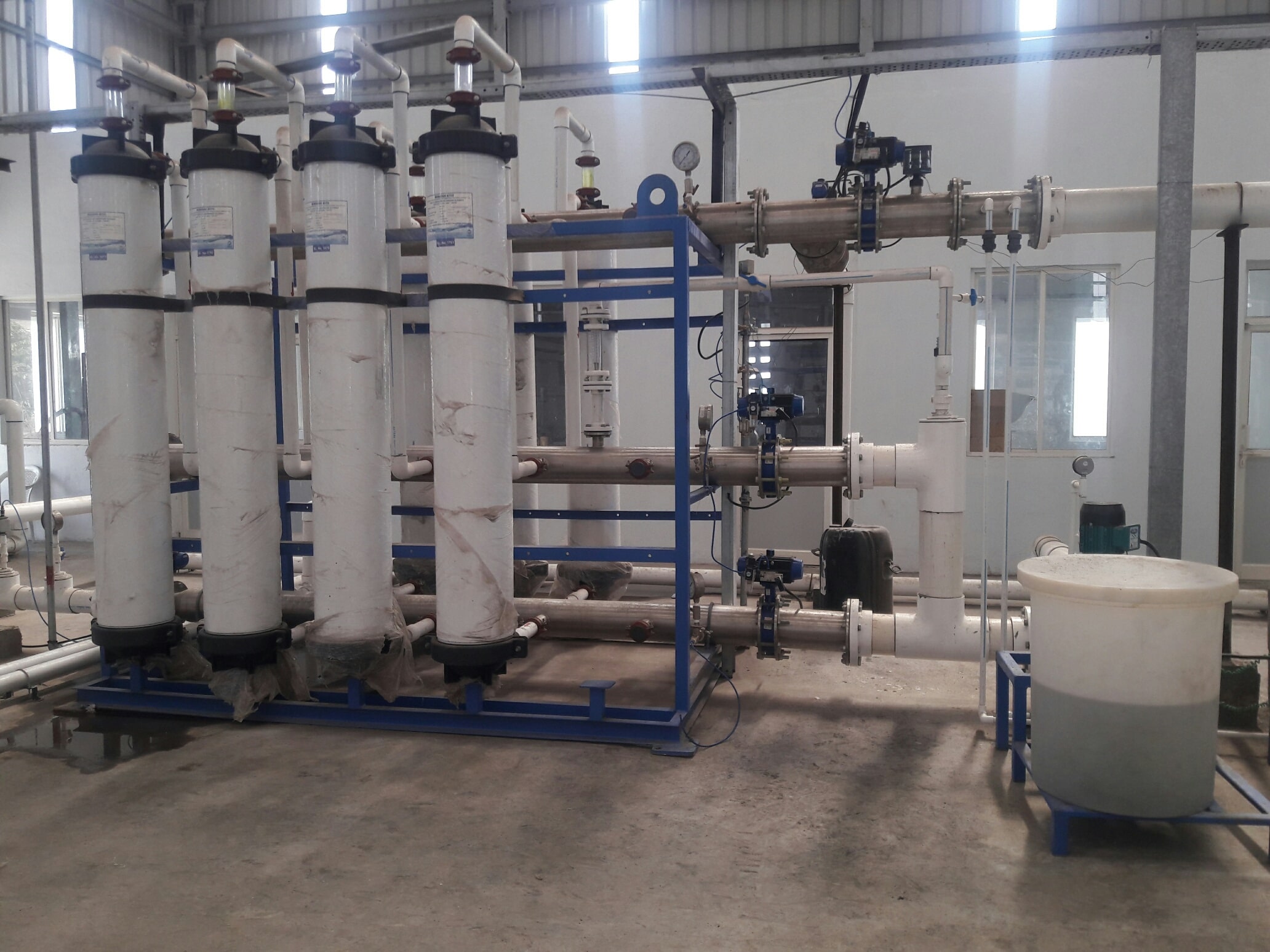
The Ultra Filtration (UF) Plant by MGV is an advanced membrane-based filtration system designed for the effective removal of suspended solids, colloids, bacteria, and organic matter from water and wastewater. It serves as a crucial pretreatment step for reverse osmosis (RO) and other high-purity water systems.
MGV’s UF systems employ hollow fiber or spiral wound membranes, offering consistent permeate quality even with fluctuating feed water conditions. The systems are fully automated with PLC-based control panels, ensuring easy operation, self-cleaning backwash cycles, and minimal manual intervention.
Ideal for use in municipal water treatment, industrial wastewater recycling, and food & beverage processing, these plants guarantee reduced fouling, lower maintenance costs, and longer membrane life.
Constructed with durable components and designed for scalability, our UF systems deliver long-term reliability, reduced operating costs, and environmental compliance. MGV’s UF plants embody the perfect balance of technology, efficiency, and sustainability, making them a preferred choice for industries seeking superior water treatment performance.
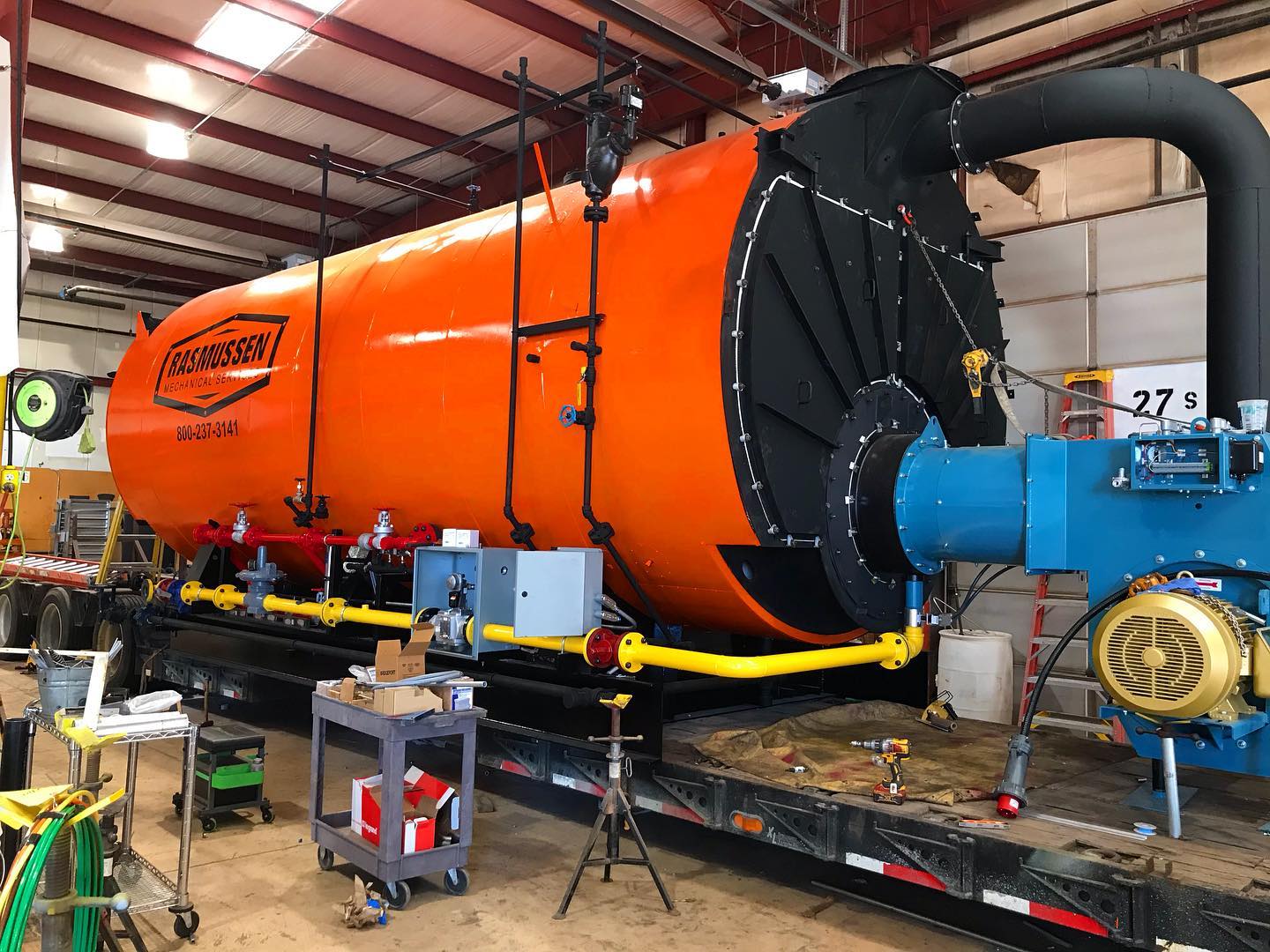
MGV’s Industrial Boilers are engineered for high efficiency, reliability, and longevity. Designed to generate steam or hot water for diverse industrial processes, our boilers are suitable for oil & gas, manufacturing, textile, chemical, and food industries.
We offer a complete range of fire-tube, water-tube, and packaged boilers with fully automatic controls for safe, easy, and efficient operation. MGV boilers are built from premium-grade materials, ensuring corrosion resistance and high pressure tolerance for long operational life.
With features such as low NOx burners, fuel flexibility, automatic feed systems, and high thermal efficiency, our boilers minimize fuel consumption while maintaining consistent performance.
Every unit undergoes rigorous testing and meets international quality standards like IBR and ASME. MGV’s focus on innovation ensures our boilers contribute to energy conservation, emission reduction, and sustainable operations — making them an ideal solution for industries seeking performance, reliability, and eco-friendly operation.
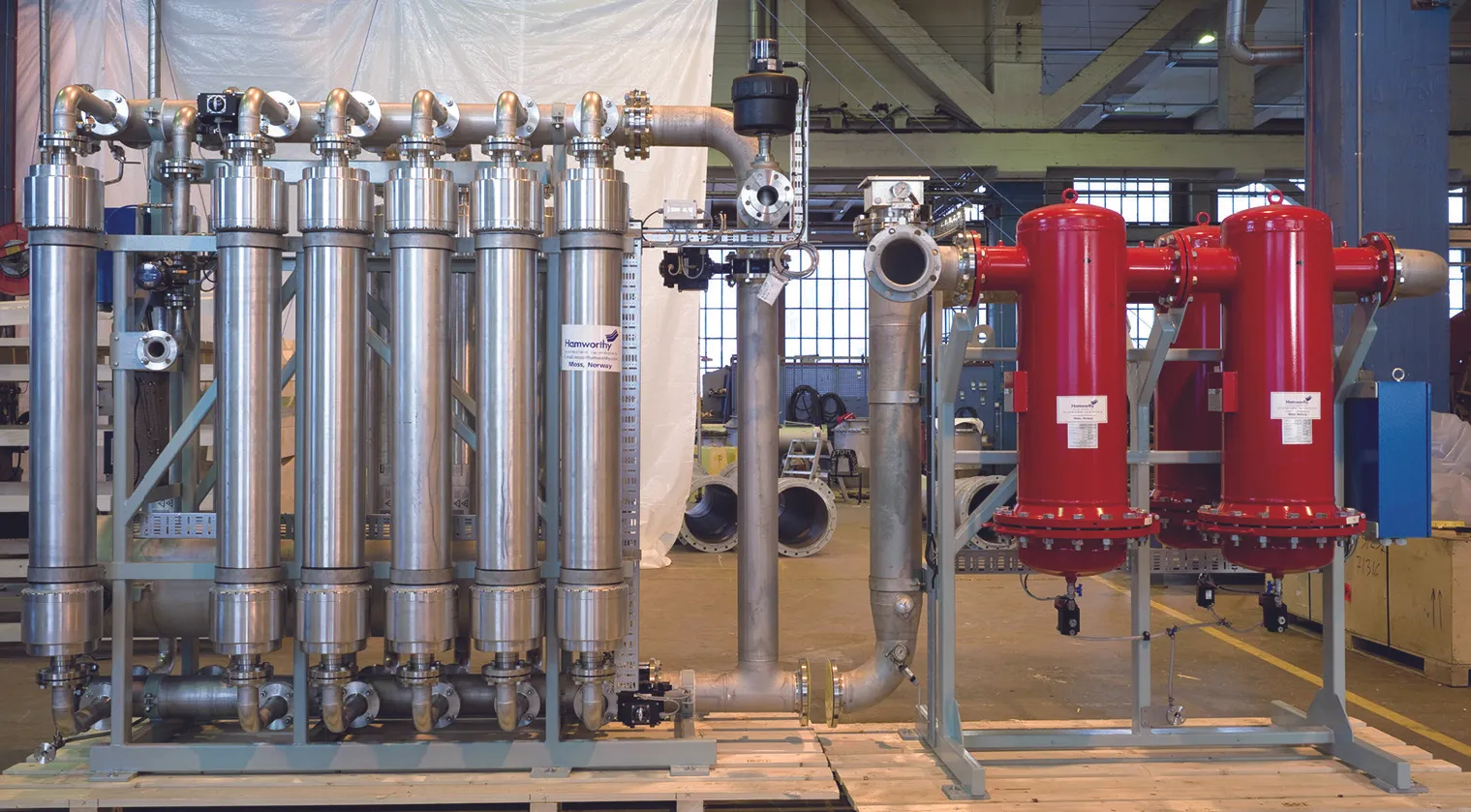
MGV’s Nitrogen Generators are advanced on-site gas generation systems designed to produce high-purity nitrogen using Pressure Swing Adsorption (PSA) or Membrane Separation Technology. These systems eliminate dependency on bulk nitrogen supply and reduce operating costs significantly.
Our nitrogen generators are ideal for oil & gas, chemical, pharmaceutical, food packaging, and electronics industries, offering purity levels up to 99.999%. The PSA technology uses high-quality carbon molecular sieves (CMS) to adsorb oxygen and deliver a continuous flow of nitrogen.
MGV’s generators are fully automated, energy-efficient, and compact in design, featuring intelligent control panels for real-time monitoring and performance optimization. They operate quietly, require minimal maintenance, and deliver consistent nitrogen output even in demanding conditions.
Each system is custom-built to meet client-specific requirements, ensuring reliability, efficiency, and safety in every application. By providing a steady, on-demand nitrogen supply, MGV’s solutions help industries reduce downtime, enhance productivity, and ensure long-term operational independence.
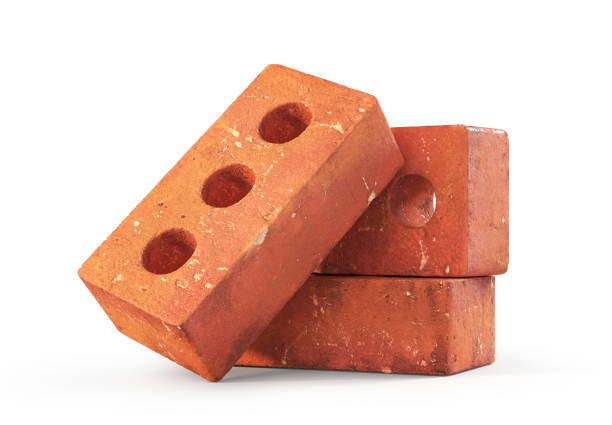
Clay bricks are one of the most traditional and reliable construction materials used across residential, commercial, and institutional projects. Manufactured from high-grade natural clay and fired at controlled high temperatures, they deliver excellent compressive strength and durability. These bricks offer natural thermal insulation, helping maintain comfortable indoor temperatures throughout the year. Clay bricks are highly resistant to weathering, fire, and moisture, ensuring long-term structural stability. Their uniform shape allows precise masonry work and strong mortar bonding. With a classic, timeless appearance, they suit both modern and heritage architectural designs. Clay bricks are commonly used for load-bearing walls, boundary walls, and partitions, making them a dependable choice for long-lasting construction.
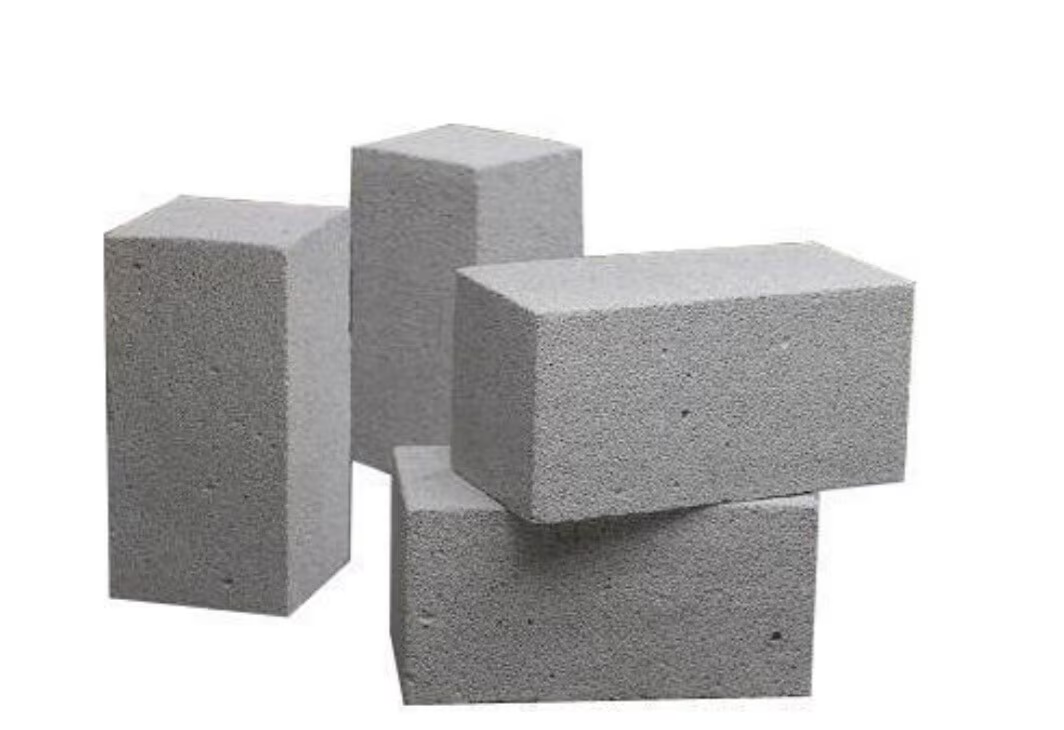
Fly ash bricks are an environmentally responsible building material produced using by-products from thermal power plants. Known for their high density and strength, these bricks offer excellent load-bearing capacity and reduced water absorption. Their smooth surface finish improves wall aesthetics and reduces plaster thickness. Due to precise sizing, fly ash bricks minimize mortar consumption and enhance construction speed. They provide strong resistance to sulphates, chemicals, and moisture-related damage. Additionally, these bricks improve sound insulation and structural uniformity. Ideal for large-scale residential, commercial, and infrastructure projects, fly ash bricks support sustainable construction while delivering superior performance.
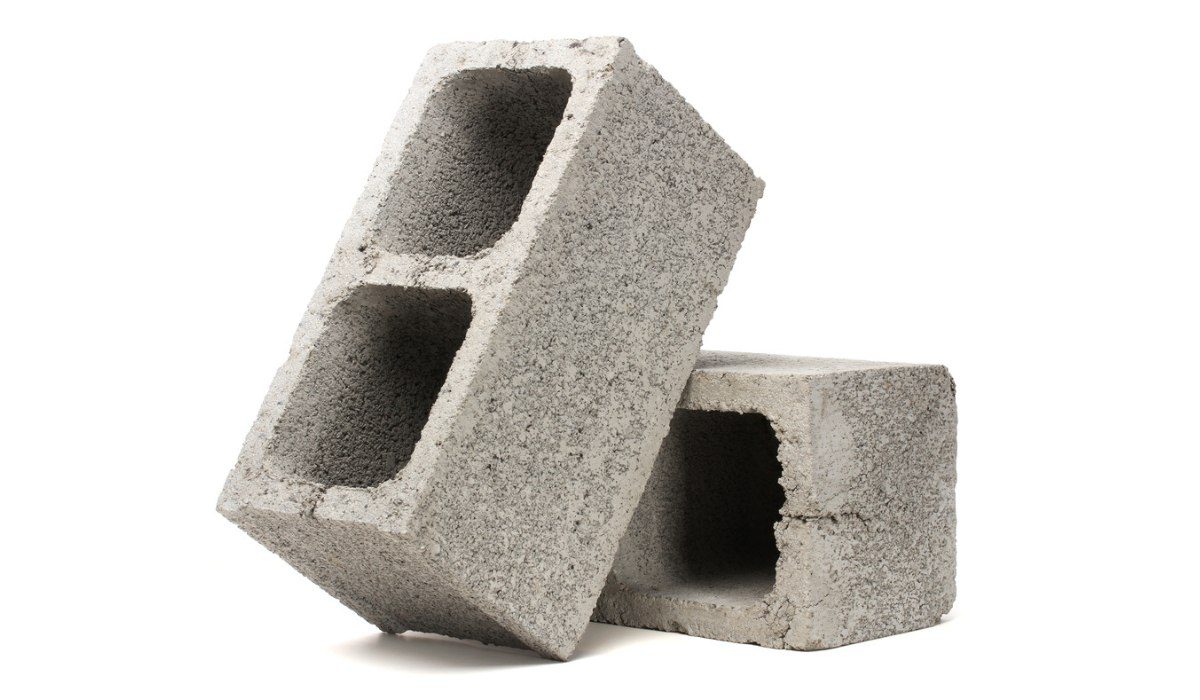
Concrete blocks are engineered masonry units designed for strength, efficiency, and structural reliability. Manufactured using cement, aggregates, and controlled curing processes, they ensure consistent quality and performance. Their larger size allows faster construction compared to traditional bricks, reducing labor and material costs. Concrete blocks offer high compressive strength, excellent fire resistance, and sound insulation. They are widely used for load-bearing walls, foundations, and partition walls in residential and commercial buildings. Their dimensional accuracy minimizes material wastage and improves alignment. Concrete blocks are a preferred choice for projects demanding durability, speed, and long-term performance.
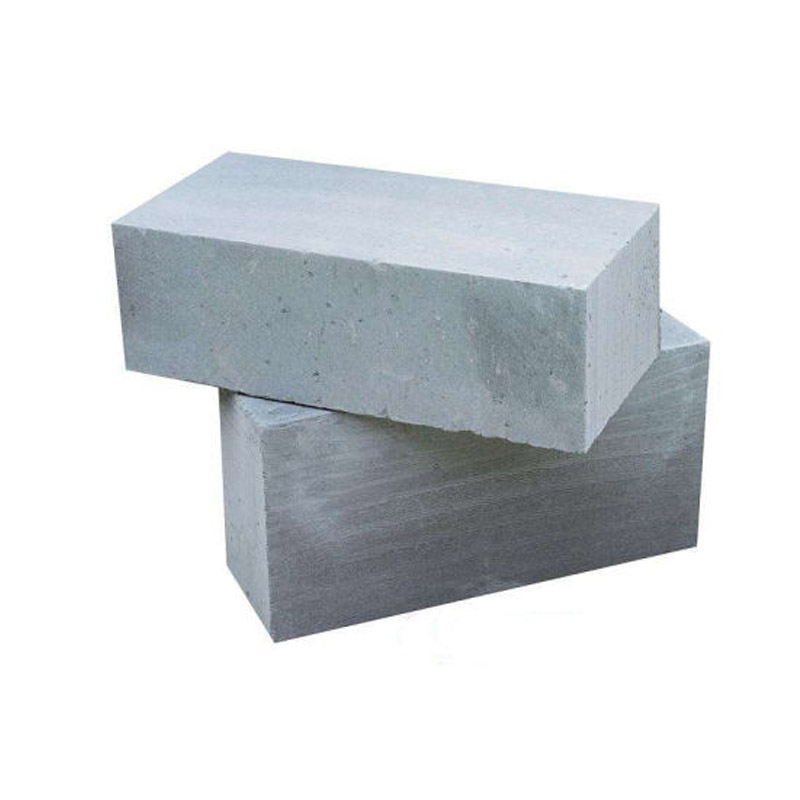
Autoclaved Aerated Concrete (AAC) blocks are lightweight construction materials developed for modern, energy-efficient buildings. Produced through an autoclaving process, these blocks feature a uniform cellular structure that provides excellent thermal insulation. Their lightweight nature reduces dead load on structures, resulting in lower foundation and structural costs. AAC blocks are fire-resistant, termite-proof, and offer superior sound insulation. Easy to cut, drill, and shape, they allow flexibility in design and faster installation. These blocks also reduce mortar consumption and construction time. Widely used in residential, commercial, and high-rise projects, AAC blocks promote sustainable and efficient construction practices.
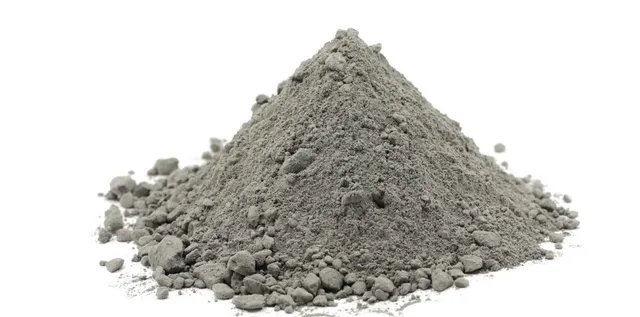
Cement is a fundamental construction material used in structural, masonry, and finishing applications. Available in OPC, PPC, and PSC variants, it caters to diverse construction requirements. OPC provides high early strength, PPC offers improved durability and reduced heat of hydration, while PSC enhances resistance to aggressive environments. Manufactured under strict quality standards, this cement ensures consistent performance and long-term strength. It offers excellent bonding properties and workability for various applications. Suitable for residential, commercial, and infrastructure projects, it ensures reliability across all stages of construction.
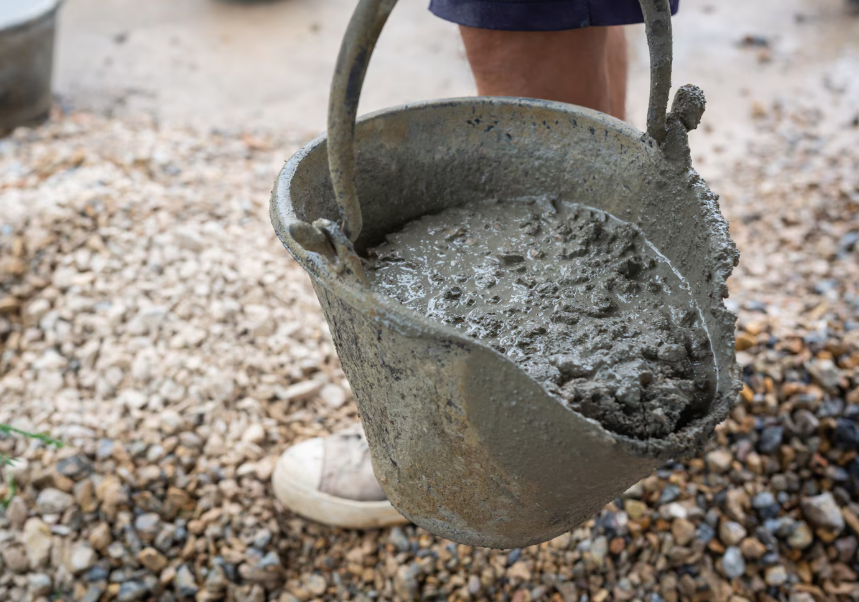
Ready Mix Concrete (RMC) is a factory-produced concrete solution delivered to construction sites in precise proportions. It ensures consistent quality, strength, and durability compared to on-site mixing. RMC significantly reduces material wastage, labor dependency, and construction time. It offers superior workability and uniformity, making it ideal for structural elements like slabs, columns, and foundations. Produced under controlled conditions, it meets strict quality and safety standards. Suitable for projects of all scales, RMC enhances construction efficiency and structural reliability.
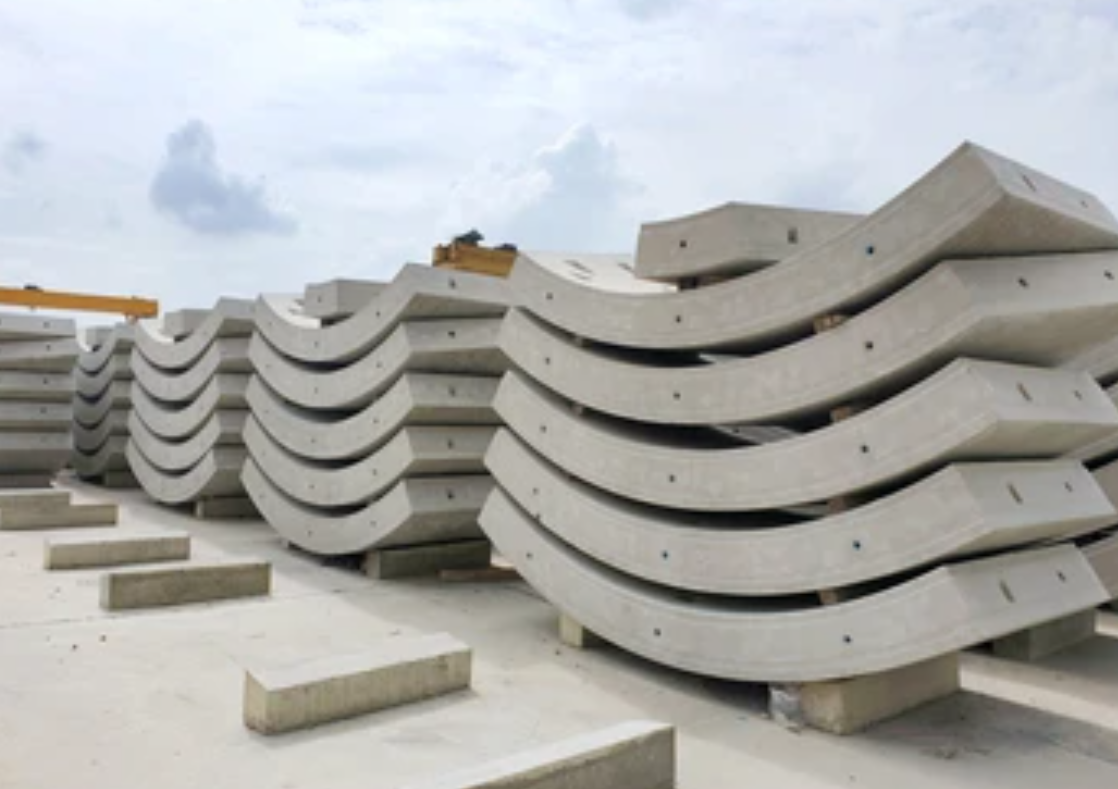
Precast segments are factory-manufactured concrete components designed for precision and strength. Produced under controlled environments, they ensure uniform quality, dimensional accuracy, and structural integrity. These segments reduce on-site construction time and labor requirements. Widely used in infrastructure projects such as bridges, flyovers, tunnels, and buildings, they offer faster project execution. Precast elements also minimize material wastage and improve safety at construction sites. Their durability and consistency make them ideal for high-load and long-span applications.
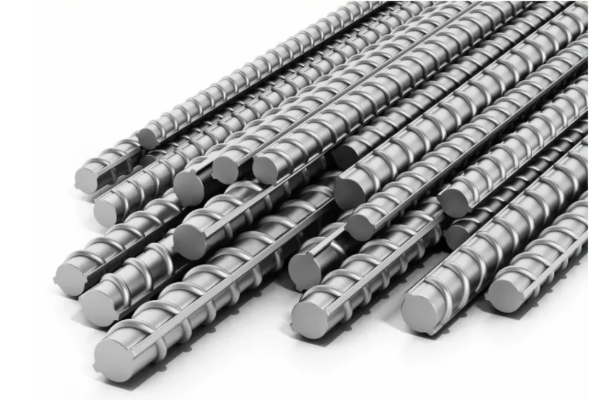
Thermo-Mechanically Treated (TMT) bars are high-strength reinforcement bars essential for reinforced concrete structures. Manufactured using advanced processes, they offer superior tensile strength and ductility. TMT bars provide excellent resistance to corrosion, earthquakes, and fire. Their strong bonding with concrete enhances overall structural stability. Widely used in residential, commercial, and infrastructure projects, they ensure safety and long-term performance. These bars are ideal for columns, beams, slabs, and foundations.
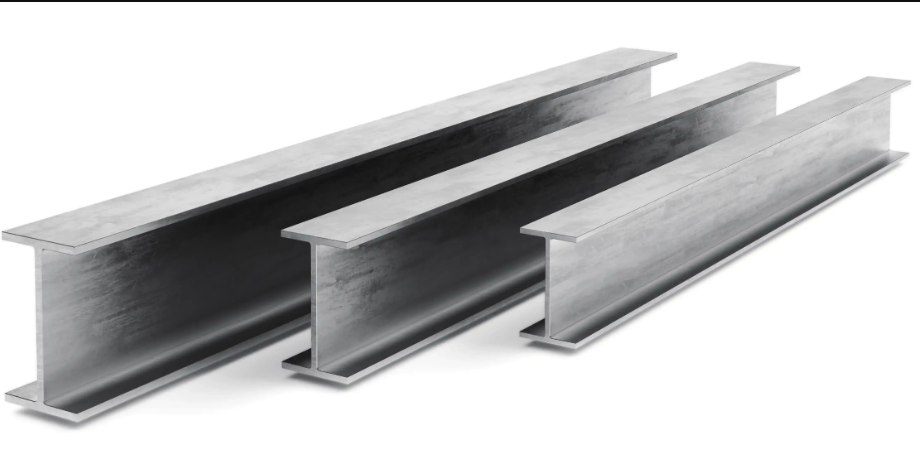
Structural steel sections are used as primary load-bearing elements in construction. Designed to offer high strength-to-weight ratio, they enable efficient structural designs. These sections provide excellent durability, flexibility, and resistance to heavy loads. Widely used in industrial buildings, warehouses, bridges, and commercial structures, they allow faster erection and reduced construction timelines. Their precision manufacturing ensures consistency and reliability across projects.
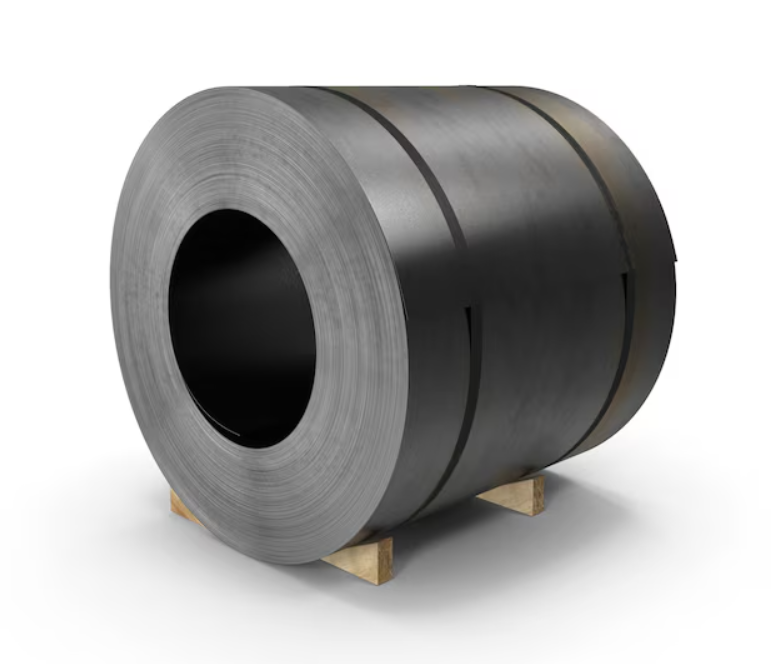
Flat steel products such as plates, MS sheets, GI sheets, and profile sheets are versatile materials used across multiple industries. They offer excellent strength, corrosion resistance, and formability. Commonly used for roofing, cladding, fabrication, and structural applications, they provide durability and aesthetic appeal. Their uniform thickness and finish ensure ease of installation and long service life.
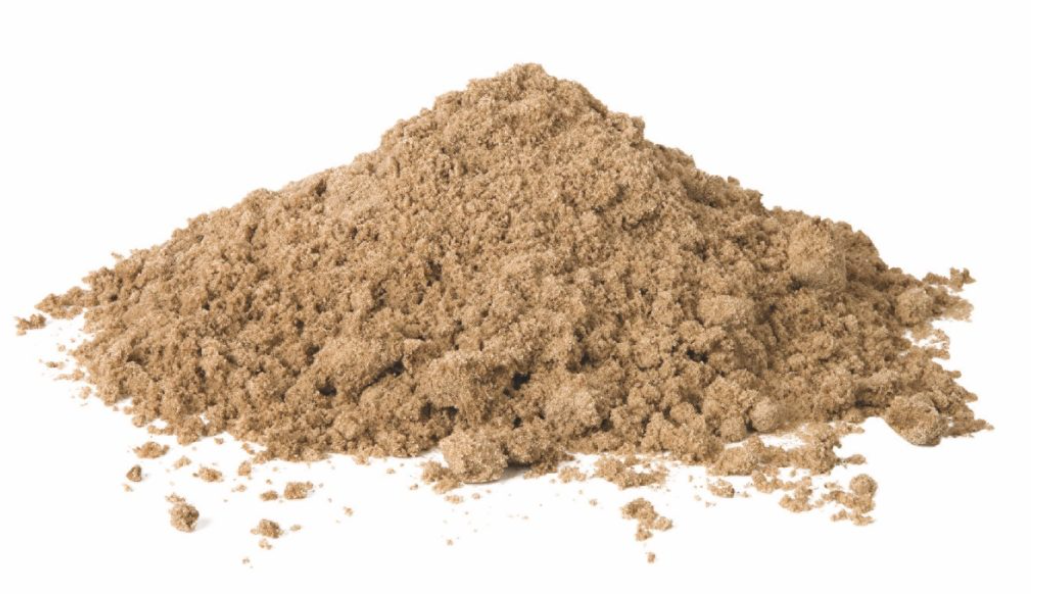
Fine aggregates such as natural sand, manufactured sand (M-sand), and quartz play a vital role in concrete and mortar preparation. They improve workability, strength, and surface finish. Proper grading ensures reduced voids and better bonding. Fine aggregates are essential for plastering, masonry, and concrete works, contributing to structural integrity and durability.
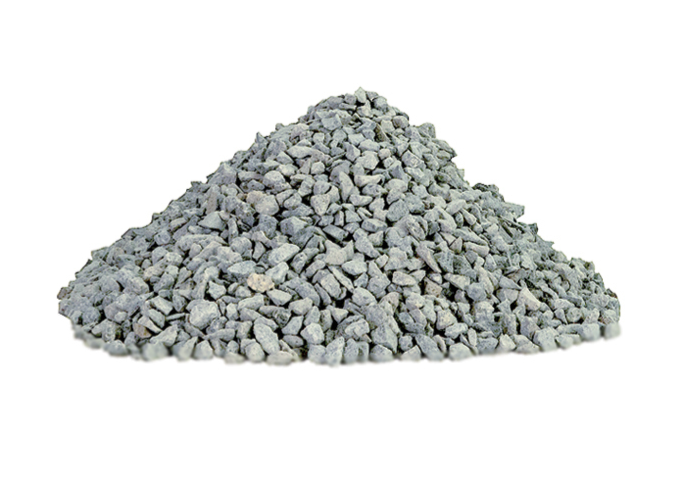
Coarse aggregates consist of crushed stones ranging from 6mm to 40mm sizes. They provide strength, stability, and load-bearing capacity to concrete structures. Used in foundations, slabs, and road works, they ensure durability and resistance to wear. High-quality aggregates enhance concrete performance and longevity.

Decorative paints play a crucial role in enhancing the visual appeal and protection of both interior and exterior surfaces. This range includes emulsions, primers, and wall putties designed to deliver smooth finishes and long-lasting performance. High-quality emulsions provide excellent color richness, washability, and resistance to fading over time. Primers ensure strong adhesion between the surface and topcoat, improving paint life and finish quality. Wall putties help in surface leveling, crack filling, and achieving a flawless base before painting. Decorative paints also offer protection against moisture, dust, and mild weathering. Suitable for residential, commercial, and institutional buildings, they combine aesthetics with durability.
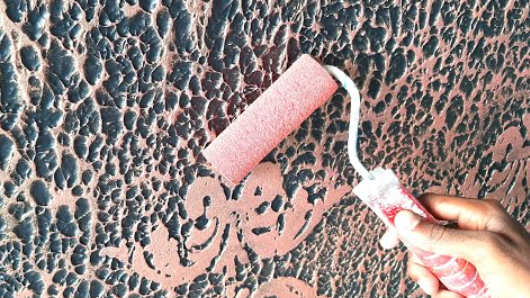
Texture paints are designed to add depth, dimension, and character to walls, transforming plain surfaces into visually striking elements. Available in a wide range of patterns and finishes, they are suitable for both interior and exterior applications. Texture coatings provide enhanced durability and resistance against minor cracks and surface imperfections. They also offer better weather resistance, making them ideal for exterior façades. Apart from aesthetics, texture paints help protect walls from moisture and environmental damage. Widely used in feature walls, elevations, and premium spaces, they enhance architectural expression while ensuring long-term surface protection.
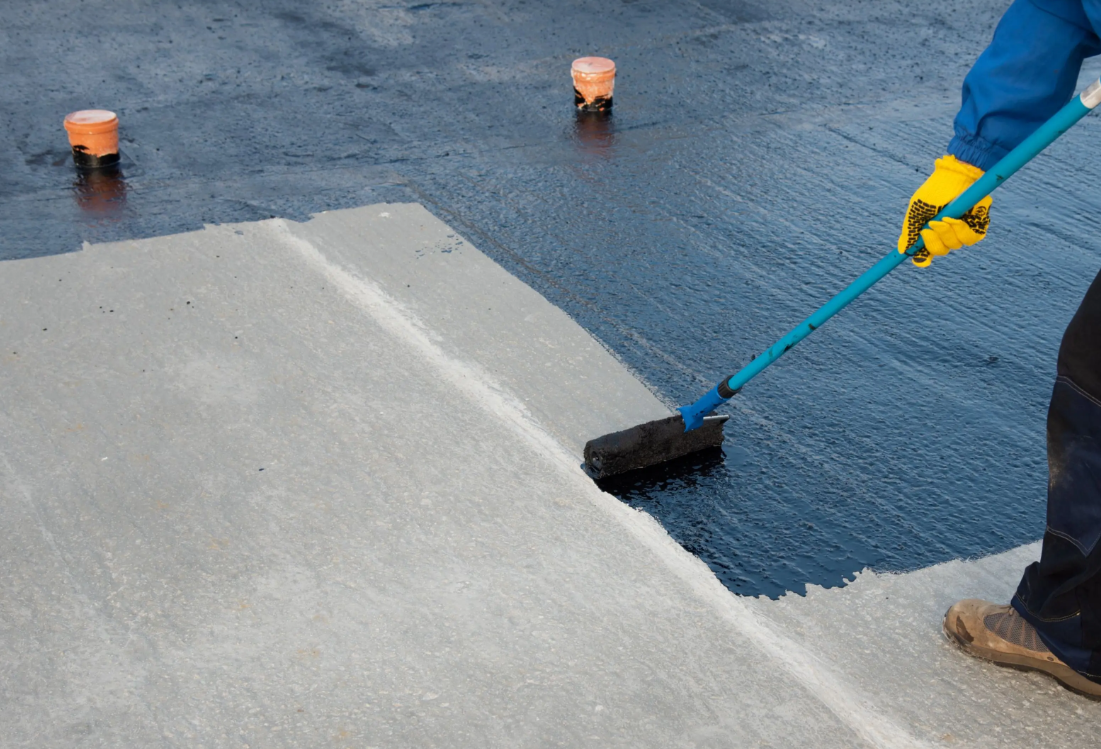
Construction chemicals are essential materials used to improve the strength, durability, and performance of buildings. This category includes waterproofing compounds, bonding agents, repair mortars, grouts, and admixtures. These products protect structures from water seepage, cracks, and chemical attack. Waterproofing solutions prevent moisture ingress in basements, roofs, bathrooms, and foundations. Repair mortars and additives enhance bonding and structural integrity. Construction chemicals play a vital role in increasing the lifespan of buildings and reducing maintenance costs. They are widely used in residential, commercial, and infrastructure projects.
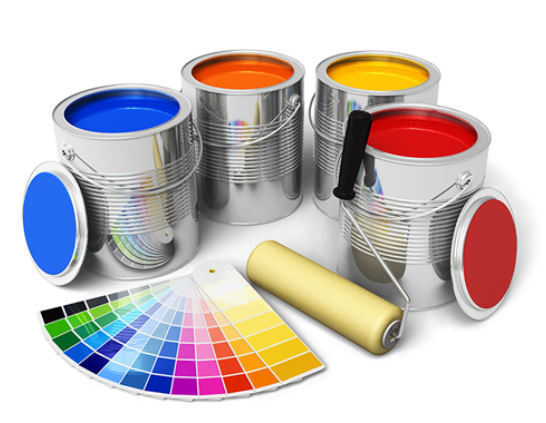
Industrial paints are specially formulated to protect surfaces exposed to harsh operating environments. They offer high resistance to corrosion, chemicals, abrasion, heat, and extreme weather conditions. These paints are commonly used in factories, refineries, warehouses, power plants, and heavy engineering structures. Industrial coatings not only protect metal and concrete surfaces but also enhance operational safety and longevity. Designed for long service life, they reduce maintenance frequency and downtime. Industrial paints are critical for ensuring asset protection and compliance with industry standards.
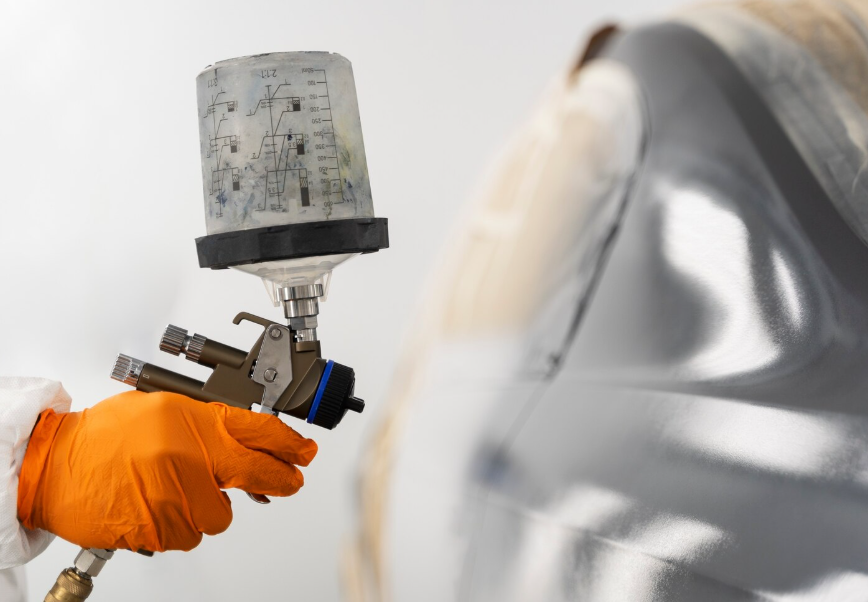
Automotive paints are engineered to deliver superior gloss, durability, and weather resistance for vehicle surfaces. These coatings protect vehicles from UV rays, corrosion, scratches, and environmental damage. Available in a wide range of colors and finishes, automotive paints enhance vehicle appearance and brand appeal. Advanced formulations ensure smooth application, strong adhesion, and long-lasting color retention. Suitable for both original equipment and refinishing applications, these paints maintain vehicle aesthetics while offering reliable surface protection.
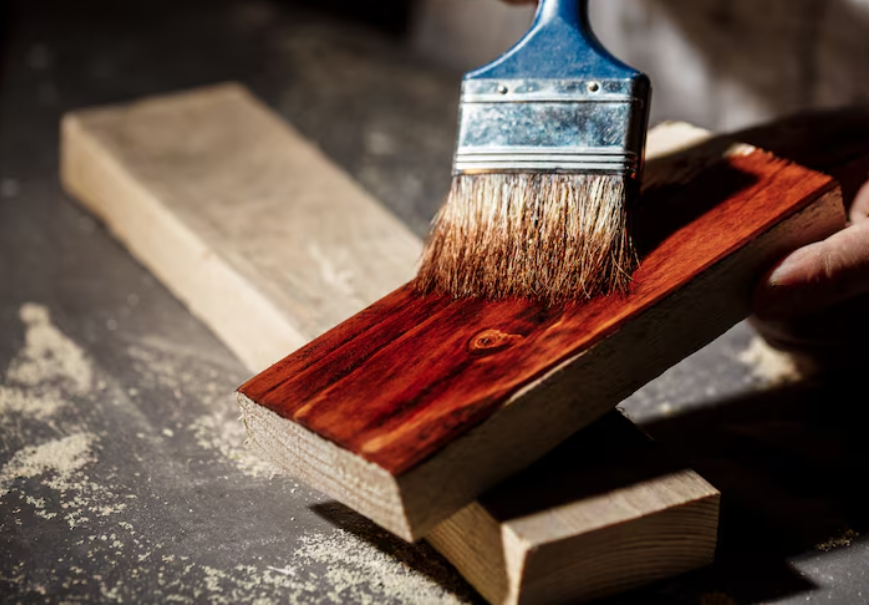
Wood finishes are designed to protect and enhance the natural beauty of wooden surfaces. This range includes varnishes, lacquers, polishes, and protective coatings. Wood finishes provide resistance against moisture, termites, stains, and wear. They enhance the grain, texture, and color of wood while extending its lifespan. Suitable for furniture, doors, flooring, and interior décor, these finishes offer both functional protection and aesthetic appeal. They are widely used in residential, commercial, and premium interior applications.
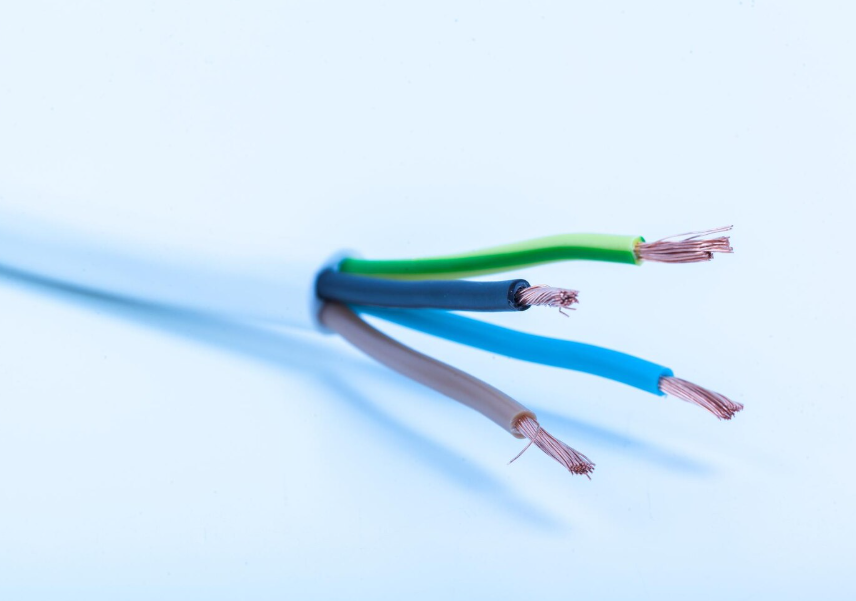
Electrical cables and wires are essential components for safe and efficient power distribution systems. Manufactured using high-quality conductors and insulation materials, they ensure reliable electrical performance. These cables offer excellent conductivity, heat resistance, and insulation strength. Designed to meet safety and regulatory standards, they minimize the risk of short circuits and power loss. Suitable for residential, commercial, and industrial installations, they support long-term electrical safety and efficiency.
Electrical pipes and conduits are used to protect wiring systems from mechanical damage, moisture, and environmental exposure. They ensure organized cable routing and improve installation safety. Made from durable materials, these conduits provide insulation and fire resistance. Suitable for concealed and surface wiring applications, they enhance the longevity and safety of electrical installations. Widely used in buildings and industrial setups, they help maintain neat and compliant electrical systems.

Electrical sockets and fittings are designed to provide secure connections and convenient access to power. Manufactured with safety-focused designs, they ensure reliable performance and durability. These fittings complement modern electrical systems with ergonomic design and quality materials. Suitable for residential and commercial use, they enhance safety, usability, and aesthetics of electrical installations.
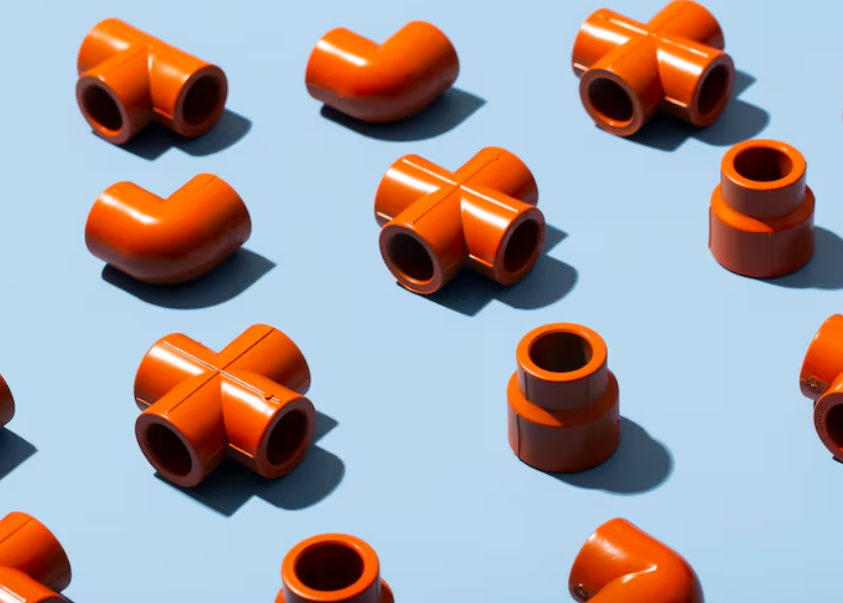
Plumbing pipes and fittings are essential for efficient water supply and drainage systems. Manufactured from materials such as SWR, PVC, UPVC, and CPVC, they offer excellent corrosion resistance and durability. These pipes ensure smooth water flow and leak-free performance. Suitable for residential, commercial, and industrial plumbing applications, they support both hot and cold water systems. Designed for long service life, they reduce maintenance and replacement costs.
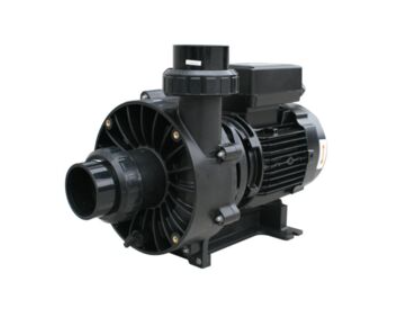
Pumps and plumbing accessories are used to maintain efficient water flow and pressure across various systems. Suitable for domestic, commercial, and industrial applications, these pumps ensure reliable water distribution. Ancillary components enhance system performance and operational efficiency. Designed for durability and consistent output, they support uninterrupted water supply in buildings and facilities.
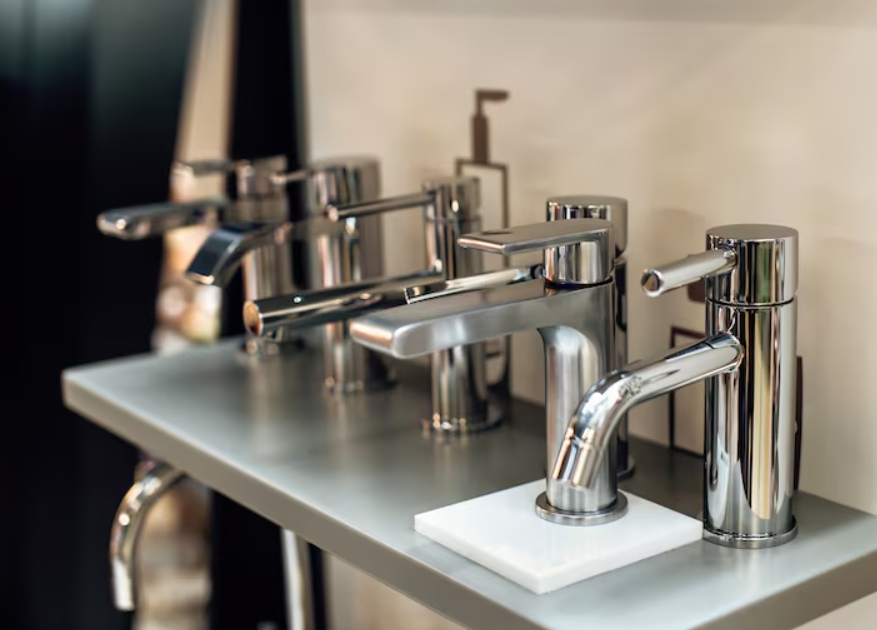
Sanitary ware products combine hygiene, durability, and modern design to enhance bathroom functionality. Manufactured using high-quality materials, they ensure resistance to stains, moisture, and wear. These products are easy to clean and maintain, ensuring long-term hygiene. Suitable for residential, commercial, and hospitality spaces, sanitary ware enhances comfort and aesthetics while maintaining functionality.
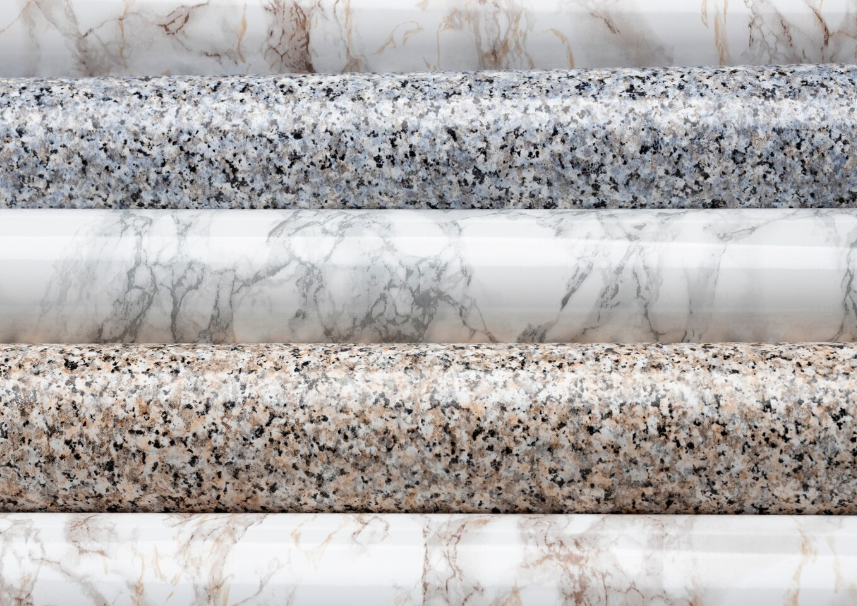
Marble is a premium natural stone widely admired for its elegance, smooth surface, and timeless visual appeal. Formed over centuries, it offers unique natural patterns that enhance the luxury of interiors and architectural spaces. Marble is commonly used for flooring, wall cladding, staircases, and decorative elements. It provides natural cooling properties, making it suitable for warm climates. With proper polishing and maintenance, marble retains its shine and beauty for decades. Available in a wide range of colors and finishes, it complements both classic and contemporary designs. Marble is widely used in residential, commercial, hospitality, and premium interior projects where sophistication and value are priorities.
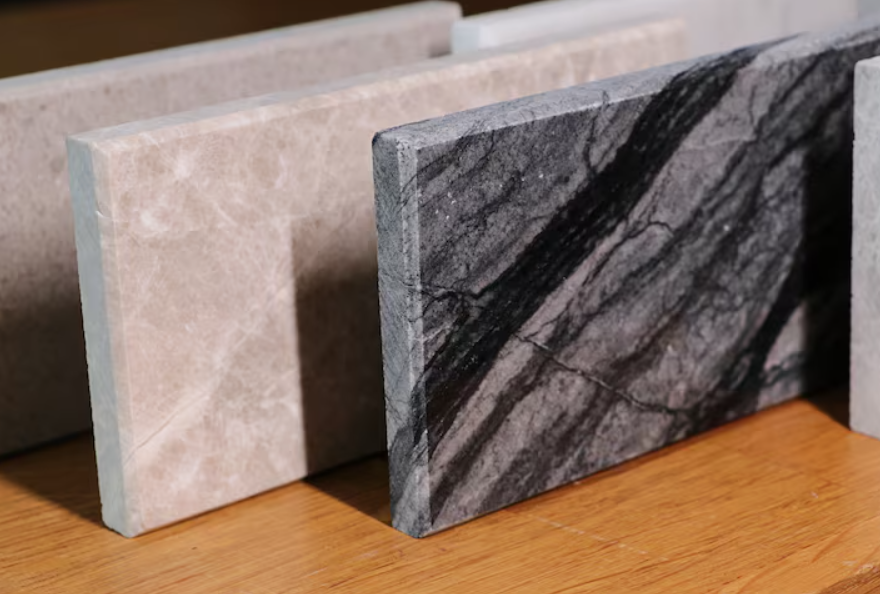
Granite is a hard, durable natural stone known for its exceptional strength and resistance to scratches, heat, and wear. Due to its high durability, it is ideal for high-traffic areas, countertops, flooring, and exterior applications. Granite offers low water absorption and excellent resistance to stains, making it easy to maintain. Each granite slab features natural grain patterns, adding a distinct and premium look to spaces. Commonly used in residential, commercial, and public infrastructure projects, granite delivers long-lasting performance. Its ability to withstand heavy use makes it a preferred choice for both functional and aesthetic applications.

Vitrified tiles are engineered flooring solutions manufactured using advanced vitrification processes. These tiles have very low water absorption, making them highly resistant to stains, moisture, and wear. Known for their strength and durability, vitrified tiles are suitable for heavy-traffic residential and commercial spaces. They offer uniform finish, color consistency, and long-term performance. Available in various designs, sizes, and finishes, they replicate natural stone and wood aesthetics. Easy to clean and maintain, vitrified tiles provide a cost-effective and modern flooring solution for long-term use.

Ceramic tiles are versatile surface materials widely used for wall and floor applications. Manufactured from natural clay and fired at high temperatures, they offer good durability and moisture resistance. Ceramic tiles are available in a wide range of colors, textures, and patterns to suit diverse interior styles. They are easy to clean, hygienic, and low maintenance, making them ideal for kitchens, bathrooms, and living areas. Suitable for both residential and commercial interiors, ceramic tiles combine functionality with aesthetic flexibility. Their affordability and design variety make them a popular choice across projects.

Roofing tiles are designed to provide strong protection against varying weather conditions while enhancing the overall appearance of buildings. These tiles offer durability, thermal insulation, and resistance to heat, rain, and wind. Roofing tiles help regulate indoor temperatures, improving comfort and energy efficiency. Available in different shapes, materials, and finishes, they suit a wide range of architectural styles. Used in residential, commercial, and institutional buildings, roofing tiles ensure long-term roof performance. Their strength and aesthetic appeal make them a reliable roofing solution.

Pavers and pavement tiles are heavy-duty flooring solutions designed specifically for outdoor applications. Used in driveways, walkways, parking areas, and landscapes, they offer high load-bearing capacity and abrasion resistance. These tiles are manufactured to withstand harsh weather conditions and frequent foot or vehicle traffic. Pavers enhance outdoor aesthetics while providing functional strength and durability. Available in various colors, shapes, and textures, they allow creative landscaping designs. Their easy installation and replacement make them a practical and long-lasting solution for outdoor spaces.
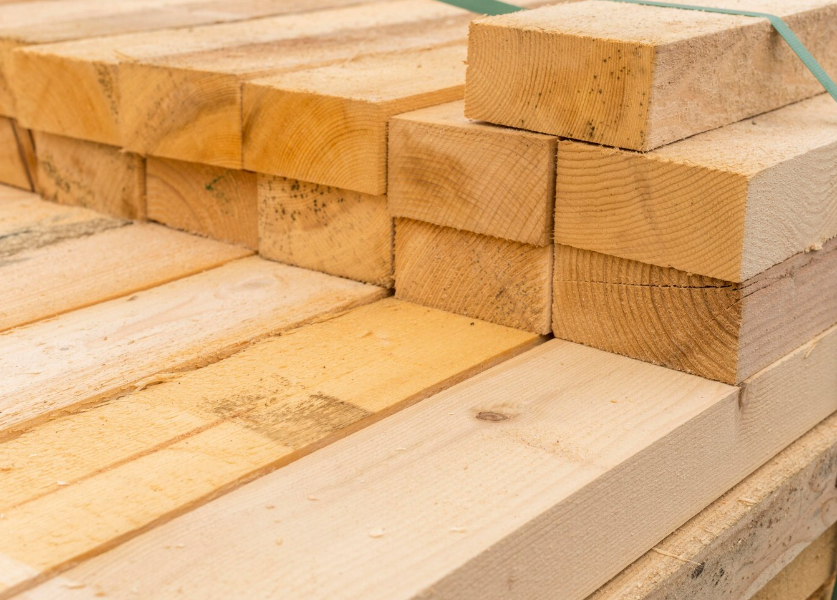
Solid woods such as teak and saal are premium natural materials widely used in high-quality construction and interior applications. Known for their exceptional strength and durability, these woods offer excellent resistance to moisture, termites, and long-term wear. Solid wood maintains its structural integrity over decades, making it ideal for furniture, doors, frames, staircases, and load-bearing elements. The natural grain patterns and rich textures add warmth and elegance to interiors. Solid woods also allow refinishing and polishing multiple times, extending their usable life. Due to their timeless appeal and robust performance, they are preferred in luxury residences, commercial interiors, and heritage projects where quality and longevity are essential.

Plywoods, including plywood sheets, MDF, and particle boards, are engineered wood products designed to deliver consistency, strength, and versatility. Manufactured under controlled processes, these boards offer dimensional stability and resistance to warping or cracking. They are widely used in cabinetry, wardrobes, partitions, modular furniture, and interior paneling. MDF provides a smooth surface ideal for paint and decorative finishes, while particle boards offer cost-effective solutions for interior applications. Plywoods support modern interior design by allowing precision cutting and flexible layouts. Their durability, ease of installation, and uniform quality make them a preferred choice for residential, commercial, and office spaces.
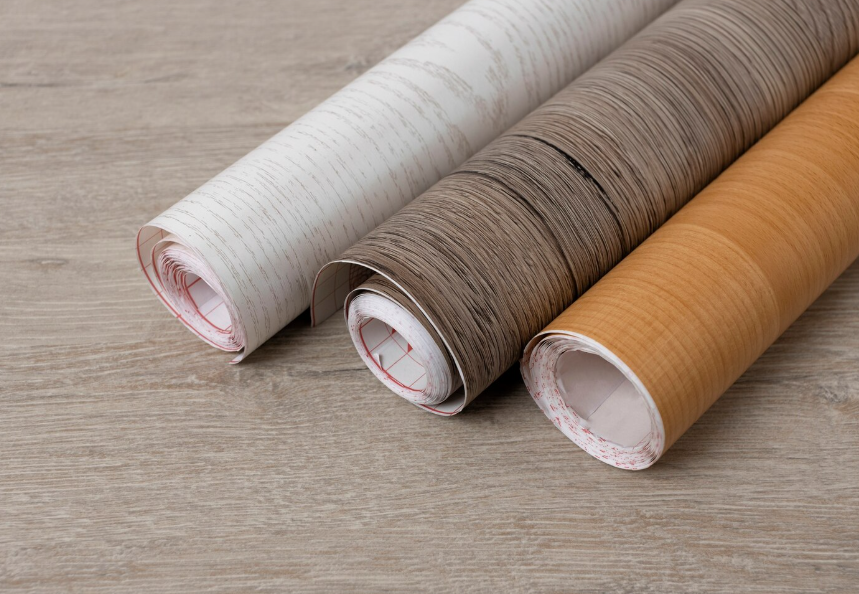
Veneers and laminates are decorative surface materials used to enhance the appearance and protection of furniture and interior surfaces. Veneers are made from natural wood slices, offering the elegance of real wood with consistent finish and design control. Laminates provide durable, scratch-resistant, and low-maintenance surfaces suitable for high-use areas. Available in a wide range of colors, textures, and patterns, they support diverse interior themes and styles. These materials protect underlying boards from moisture, stains, and wear. Widely used in furniture, wall panels, and cabinetry, veneers and laminates combine aesthetic appeal with long-term performance.
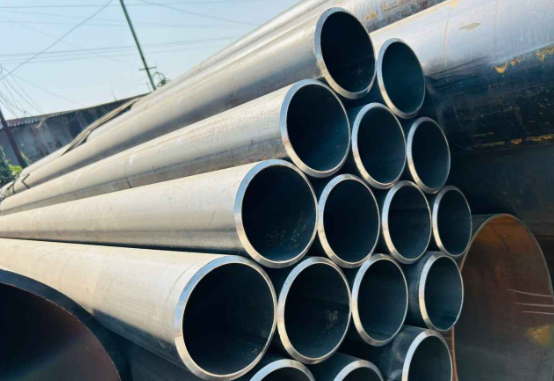
Carbon steel pipes are widely used in industrial and infrastructure applications due to their high strength and pressure-handling capability. Seamless pipes are manufactured without welding, offering superior performance in high-pressure and high-temperature environments. ERW pipes provide cost-effective solutions for structural and low-pressure applications. These pipes exhibit excellent mechanical strength, durability, and load-bearing capacity. Commonly used in oil & gas, power plants, refineries, and construction projects. Carbon steel pipes support fluid, gas, and steam transportation efficiently. Their adaptability makes them suitable for both above-ground and underground installations.
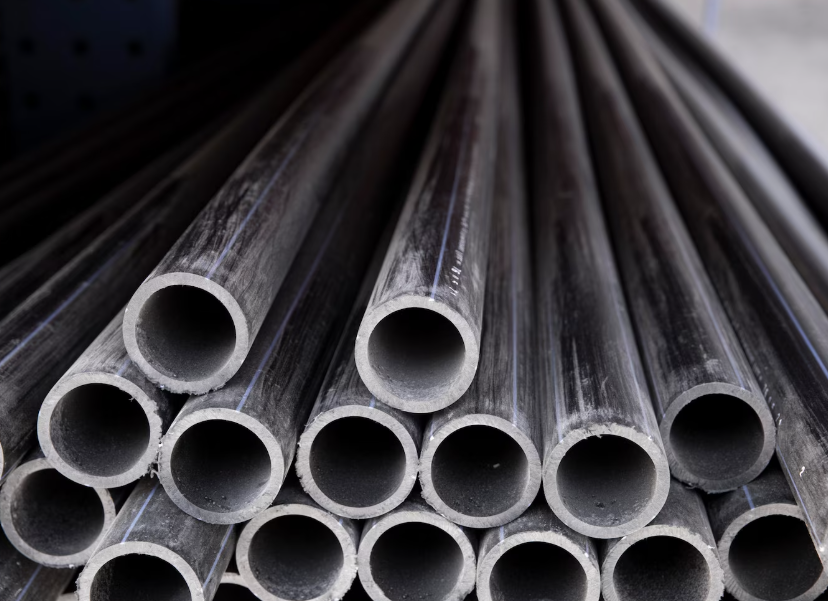
Stainless steel pipes are known for their exceptional corrosion resistance, hygiene, and durability. SS 304 is widely used for general industrial and commercial applications, while SS 316 offers enhanced resistance to chemicals and marine environments. These pipes perform reliably under high temperatures and pressure conditions. They are commonly used in food processing, pharmaceuticals, chemical plants, and water systems. Stainless steel pipes provide long service life with minimal maintenance. Their smooth internal surface ensures efficient flow and reduced contamination risk.
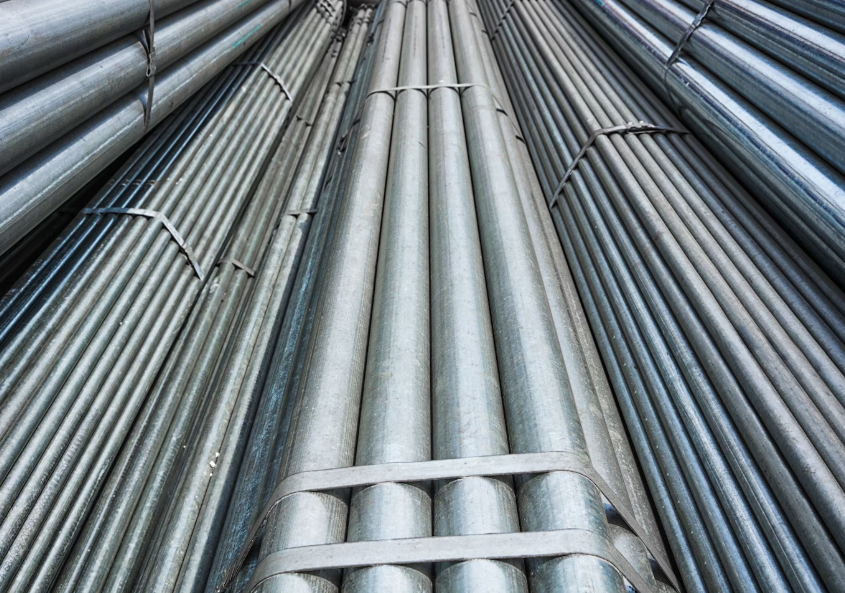
Galvanized iron (GI) pipes are steel pipes coated with zinc to protect against corrosion and rust. This coating enhances durability, making them suitable for water supply, plumbing, and outdoor applications. GI pipes offer good strength and resistance to environmental exposure. They are widely used in residential, commercial, and light industrial installations. These pipes ensure long-term performance in moderate pressure systems. Their ease of installation and availability make them a reliable piping solution.
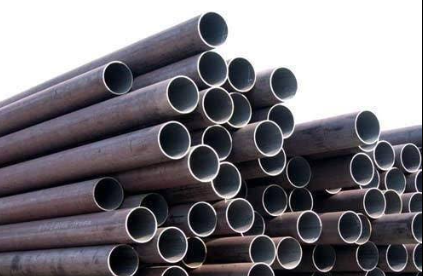
Mild steel (MS) pipes are versatile and widely used for structural and low-pressure piping applications. Known for their strength, weldability, and cost-effectiveness, MS pipes are used in fabrication, construction, and industrial frameworks. They support fluid, gas, and air transportation in non-corrosive environments. MS pipes are easy to cut, bend, and weld, allowing flexible usage across projects. Common applications include scaffolding, structural supports, and mechanical systems. Their durability makes them suitable for both indoor and outdoor use with proper coating.
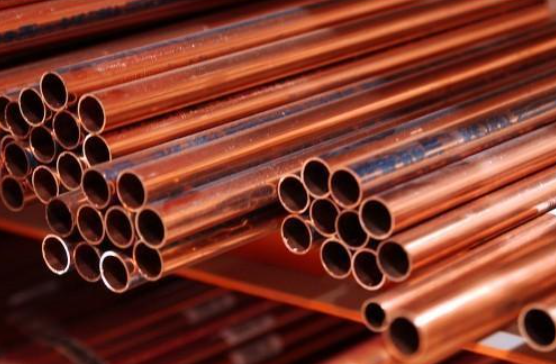
Copper pipes are preferred for their excellent thermal conductivity and corrosion resistance. Widely used in plumbing, HVAC, and refrigeration systems, they ensure efficient heat transfer. Copper pipes offer long service life and resistance to bacterial growth. Their flexibility allows easy installation in complex layouts. Suitable for hot and cold water supply, gas lines, and air-conditioning systems. Copper pipes maintain performance under varying temperature conditions and ensure leak-proof operation.
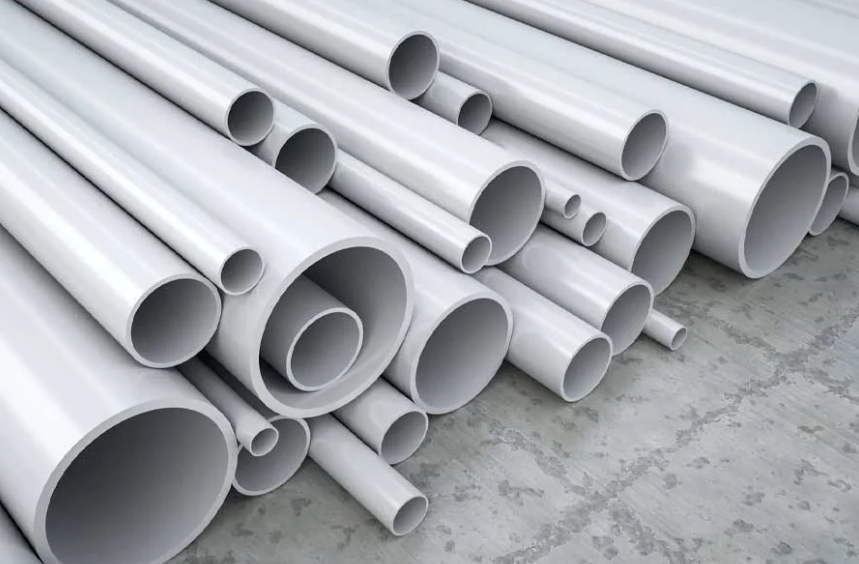
PVC pipes are lightweight, durable, and resistant to corrosion and chemicals. They are commonly used in water supply, drainage, and irrigation systems. PVC pipes offer smooth internal surfaces, ensuring efficient flow and minimal blockages. Easy to install and maintain, they reduce labor and installation costs. Suitable for residential, commercial, and agricultural applications. Their resistance to rust and scaling ensures long-term reliability.
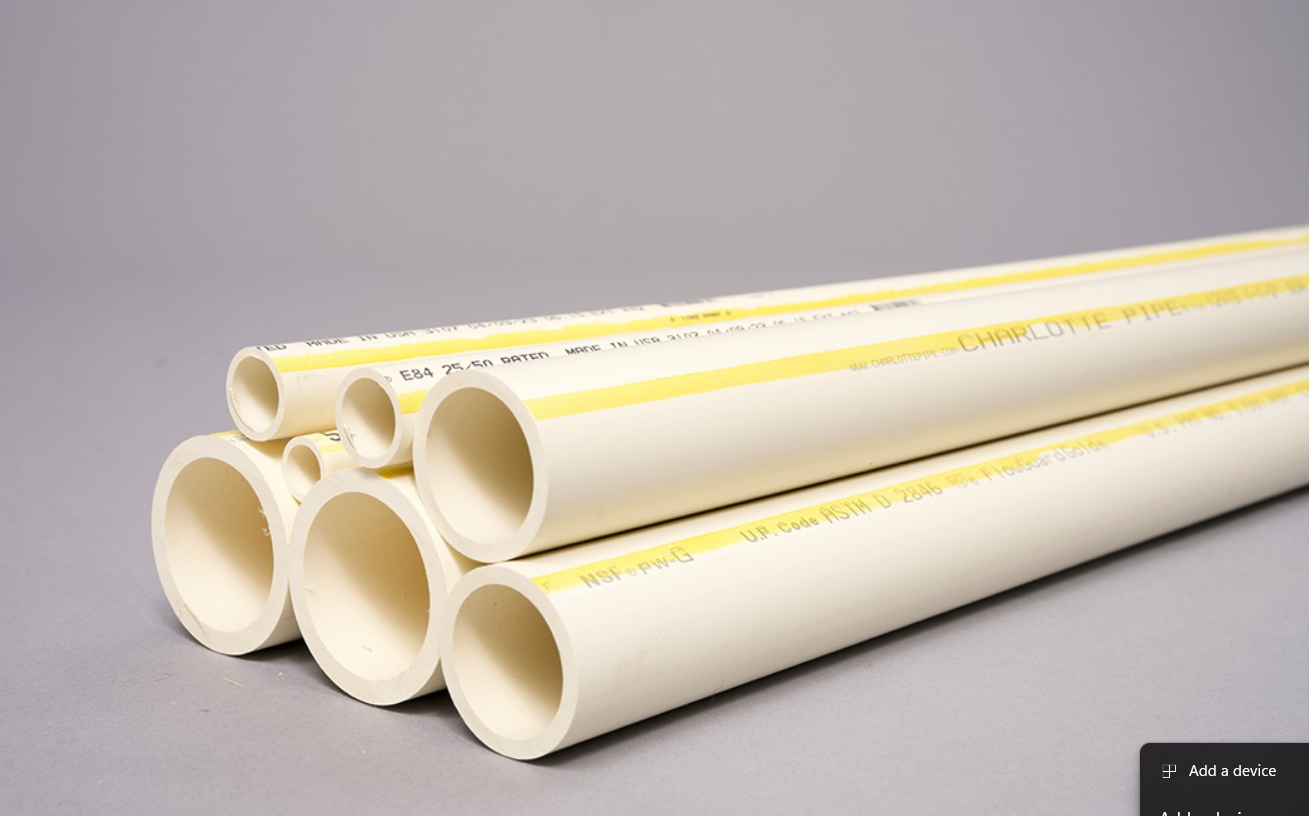
CPVC pipes are designed to handle higher temperatures compared to standard PVC pipes. They are widely used for hot and cold water plumbing systems. CPVC offers excellent resistance to corrosion, scaling, and chemical reactions. These pipes maintain strength under pressure and elevated temperatures. Commonly used in residential, commercial, and industrial plumbing applications. CPVC pipes ensure long service life with minimal maintenance.
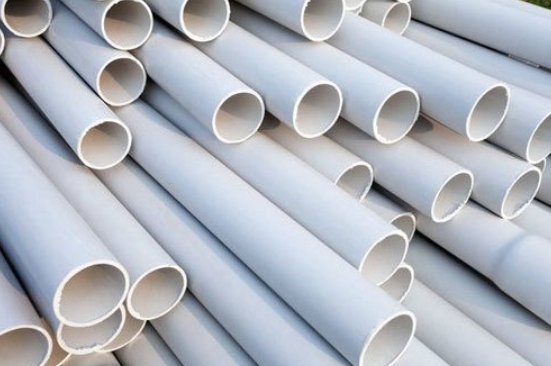
UPVC pipes are rigid plastic pipes known for their high strength and chemical resistance. They are widely used in water supply, drainage, and industrial fluid handling systems. UPVC pipes do not corrode, rust, or react with chemicals. Their smooth inner surface ensures high flow efficiency. Easy installation and low maintenance make them cost-effective. Suitable for underground and surface installations across various industries.
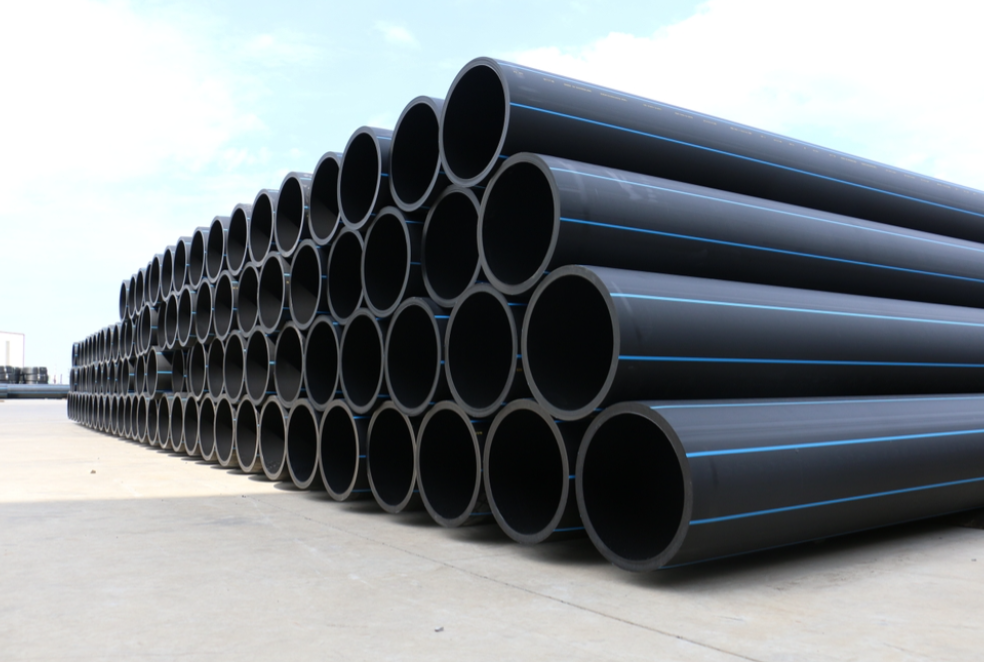
HDPE pipes are flexible, high-strength pipes known for their resistance to impact, chemicals, and environmental stress. They are widely used in water supply, gas distribution, sewage, and industrial piping systems. HDPE pipes offer leak-proof joints and long service life. Their flexibility allows installation in uneven terrain and seismic zones. Resistant to corrosion and UV exposure, they perform well in harsh conditions. Ideal for both underground and surface applications.
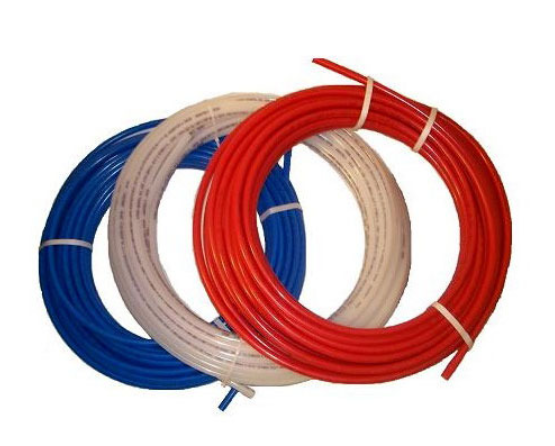
PEX pipes are flexible cross-linked polyethylene pipes used primarily in plumbing and heating systems. They offer excellent resistance to temperature fluctuations and pressure changes. PEX pipes are easy to install, reducing joint requirements and installation time. Commonly used for hot and cold water distribution. Their corrosion resistance ensures long-lasting performance. PEX pipes are suitable for residential and commercial plumbing systems.
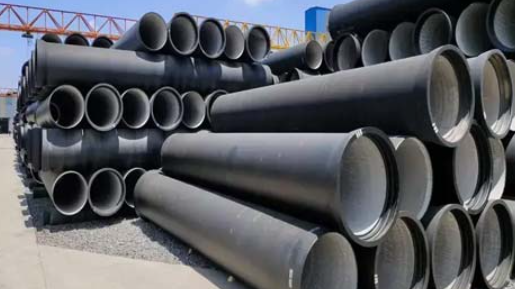
Cast iron pipes are known for their strength, durability, and noise reduction properties. Widely used in drainage, sewage, and wastewater systems. These pipes offer excellent resistance to wear and high external loads. Cast iron pipes provide long service life in underground installations. Their rigidity ensures structural stability in heavy-duty applications. Commonly used in municipal and industrial infrastructure projects.
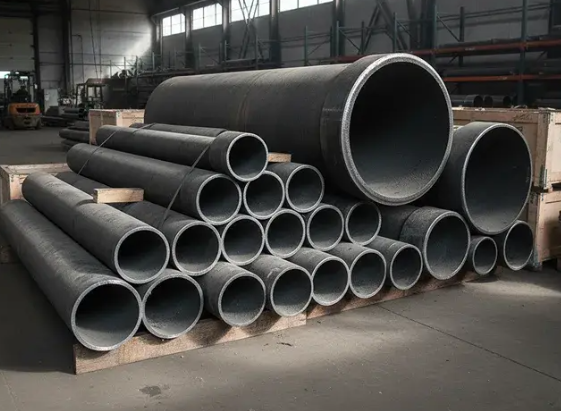
Ductile iron pipes combine the strength of cast iron with enhanced flexibility and impact resistance. They are widely used in water supply, sewage, and industrial piping systems. These pipes withstand high pressure and external loads effectively. Ductile iron pipes offer excellent corrosion resistance with proper lining and coating. Suitable for underground and heavy-duty infrastructure projects. Their durability ensures reliable performance over decades.
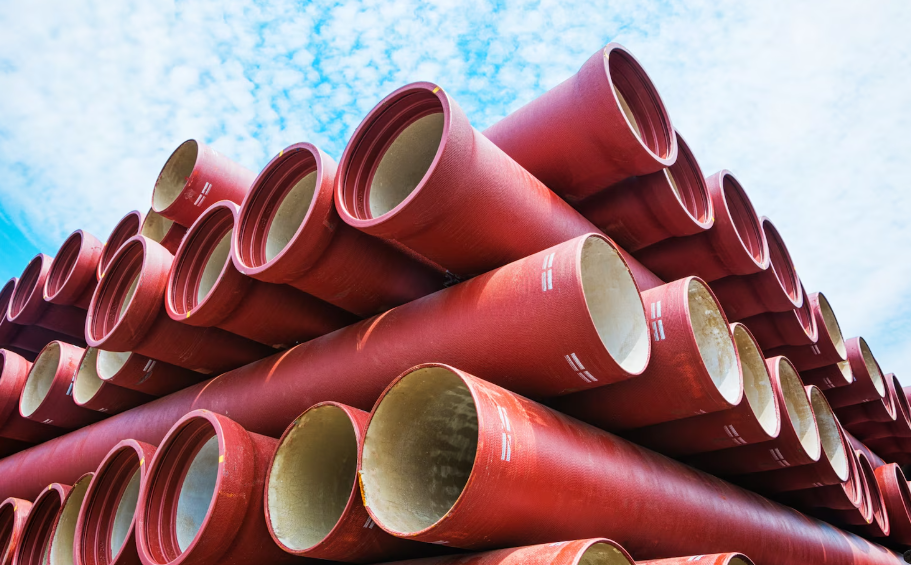
Water supply pipes are designed to ensure safe, reliable, and uninterrupted transportation of potable and non-potable water. These pipes must offer excellent corrosion resistance to prevent contamination and ensure long-term water quality. They are manufactured to withstand varying pressure conditions in residential, commercial, and industrial distribution networks. Smooth internal surfaces help maintain consistent flow rates and reduce friction losses. Water supply pipes are used in municipal systems, buildings, and industrial plants. Durability and leak-proof performance are critical to minimize maintenance and water loss. Compliance with safety and hygiene standards makes them suitable for drinking water applications.
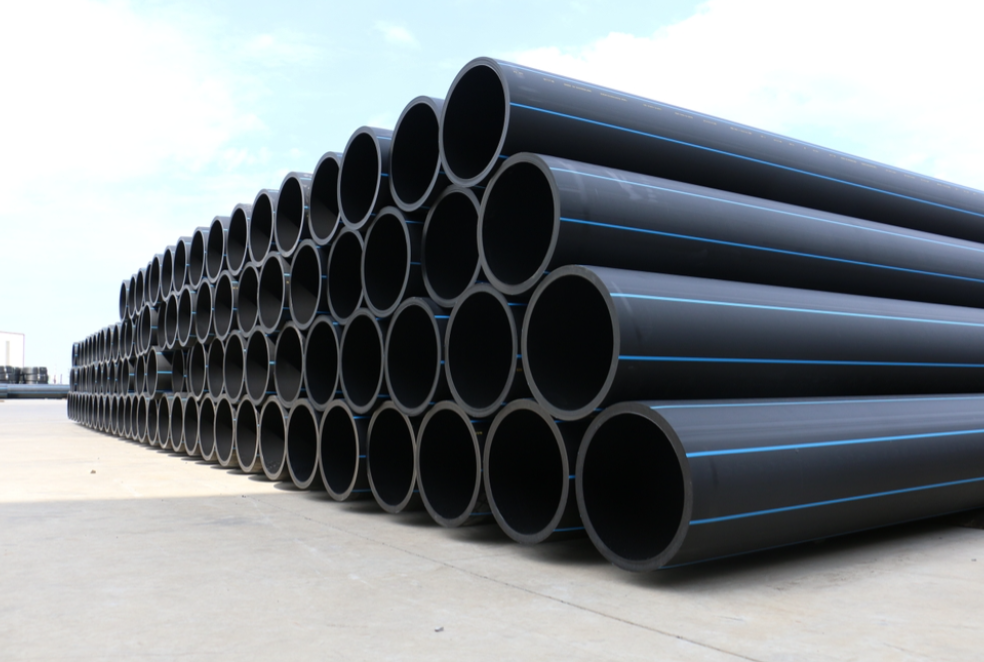
Gas pipelines are engineered for the safe transportation of natural gas, LPG, and other industrial gases. These pipelines must withstand high pressure and temperature variations while maintaining structural integrity. Strong materials and secure joints are essential to prevent leakage and ensure operational safety. Gas pipelines are widely used in industrial plants, commercial facilities, and distribution networks. Corrosion resistance and pressure tolerance are critical design factors. These pipelines are installed following strict safety and regulatory standards. Reliable gas pipelines ensure continuous energy supply with minimal risk.
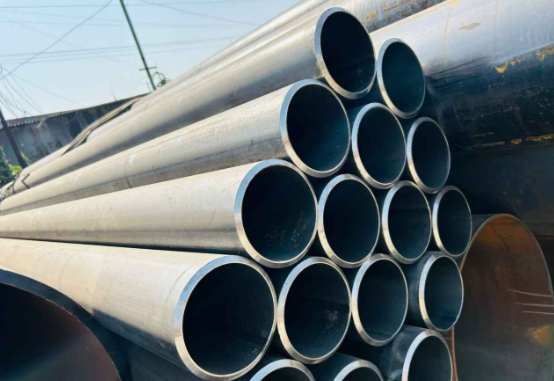
Steam pipes are used to transport high-temperature and high-pressure steam in industrial processes. These pipes are designed to withstand thermal expansion, pressure fluctuations, and extreme operating conditions. Commonly used in power plants, refineries, and manufacturing units, steam pipes ensure efficient energy transfer. High mechanical strength and heat resistance are essential for safe operation. Proper insulation is often used to reduce heat loss and improve efficiency. Steam pipes must maintain structural stability over long service periods. They play a vital role in industrial heating and power generation systems.
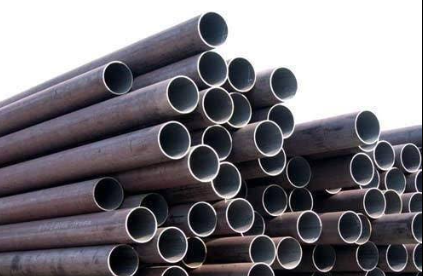
Fire-fighting pipes are critical safety components designed for emergency water supply during fire incidents. These pipes must deliver high water pressure and volume instantly and reliably. Used in buildings, industrial facilities, and infrastructure projects, they form the backbone of fire protection systems. Corrosion resistance and mechanical strength ensure long-term readiness. Fire-fighting pipelines are designed to comply with fire safety regulations and standards. Their durability and reliability are crucial for effective fire suppression. These systems help protect life, property, and assets.
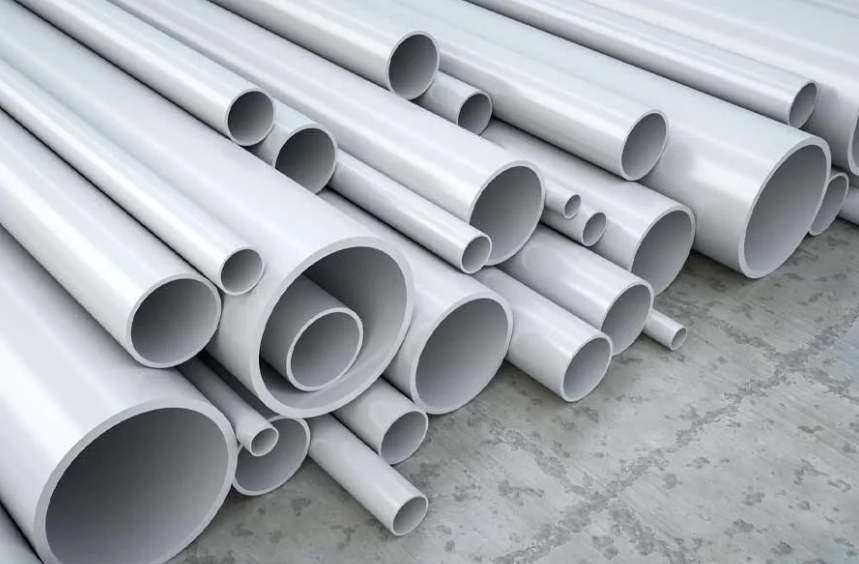
Chemical transfer pipes are designed to handle aggressive, corrosive, and hazardous chemicals safely. These pipes must resist chemical reactions, leakage, and degradation over time. Used in chemical plants, pharmaceutical units, and industrial processing facilities, they ensure safe material movement. High chemical resistance and joint integrity are essential for operational safety. These pipelines help prevent contamination and environmental hazards. Proper material selection ensures compatibility with various chemicals. Chemical transfer pipes play a critical role in maintaining process safety and efficiency.
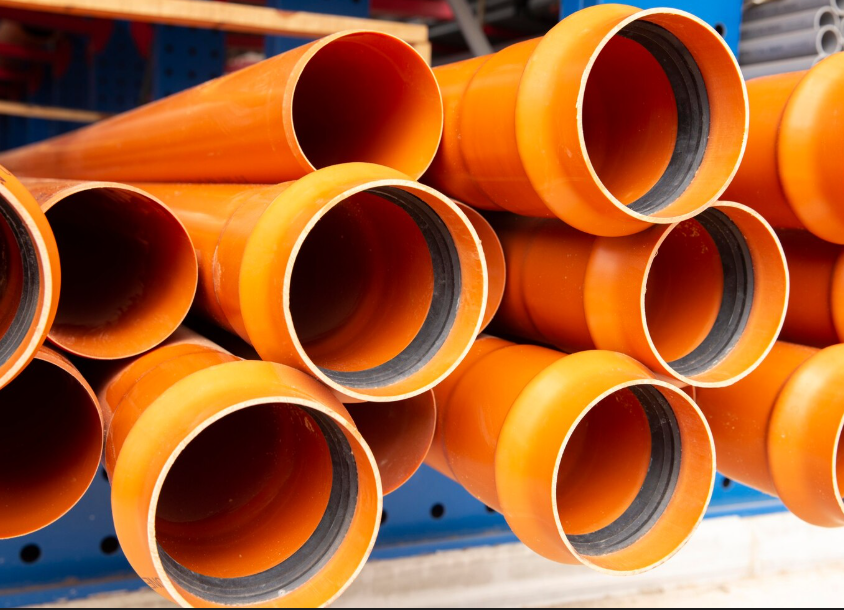
Drainage and sewer pipes are designed to efficiently transport wastewater and sewage from residential, commercial, and industrial facilities. These pipes must withstand continuous flow, external loads, and corrosive waste materials. Smooth internal surfaces help prevent blockages and ensure efficient discharge. Drainage pipes are commonly used in underground installations and municipal networks. Durability and leak resistance are key to preventing environmental contamination. These pipes support hygienic waste management systems. Proper installation ensures long-term performance with minimal maintenance.
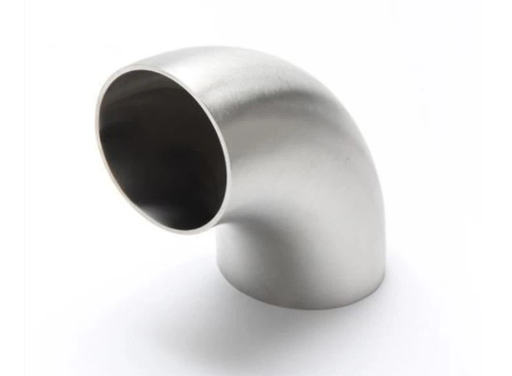
Elbows are essential pipe fittings used to change the direction of fluid flow within a piping system. Available in 45°, 90°, and 180° angles, they help design compact and efficient pipeline layouts. Elbows are manufactured to withstand high pressure and temperature conditions. They ensure smooth directional changes with minimal flow resistance. Widely used in industrial, commercial, and infrastructure piping networks. Elbows are critical in systems where space constraints require directional flexibility. Properly designed elbows reduce stress concentration and enhance pipeline longevity.
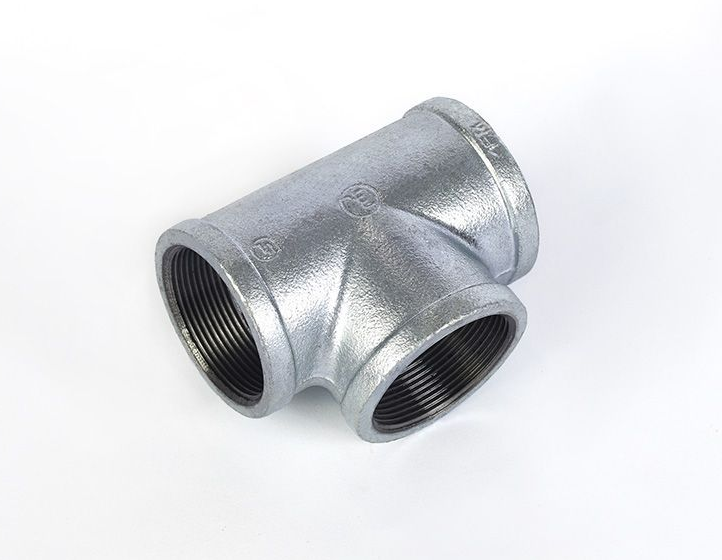
Tees are pipe fittings used to divide or combine fluid flow within a pipeline. Equal tees distribute flow evenly in all directions, while reducing tees connect pipes of different diameters. These fittings are widely used in branching pipelines across industries. Tees maintain balanced flow distribution and system efficiency. Manufactured for strength and pressure resistance, they perform reliably under demanding conditions. Common applications include water supply, gas lines, and industrial process piping. Tees play a crucial role in multi-line pipeline systems.
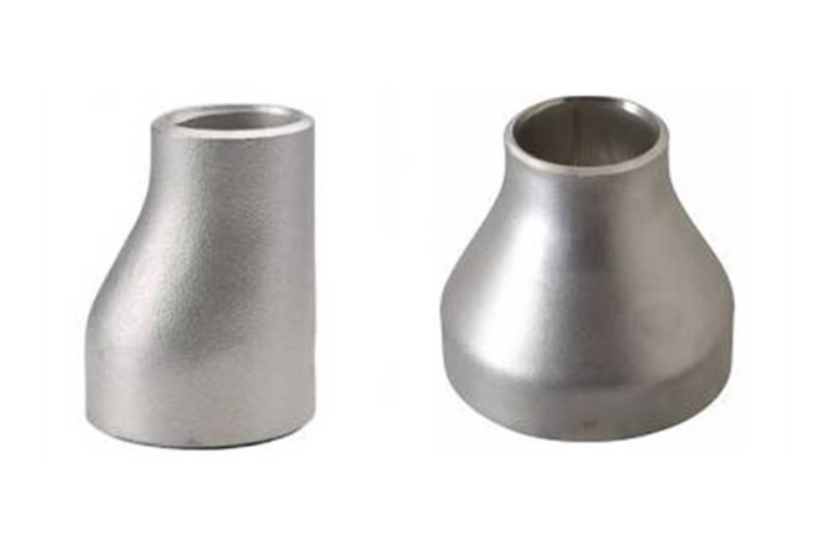
Reducers are fittings used to connect pipes of different diameters while maintaining flow continuity. Concentric reducers align centrally and are commonly used in vertical piping systems. Eccentric reducers maintain a flat side, preventing air or fluid accumulation in horizontal pipelines. Reducers help control flow velocity and pressure within systems. They are widely used in process piping, pump connections, and industrial pipelines. Proper reducer selection improves system efficiency and reduces turbulence. These fittings ensure smooth transitions between pipe sizes.
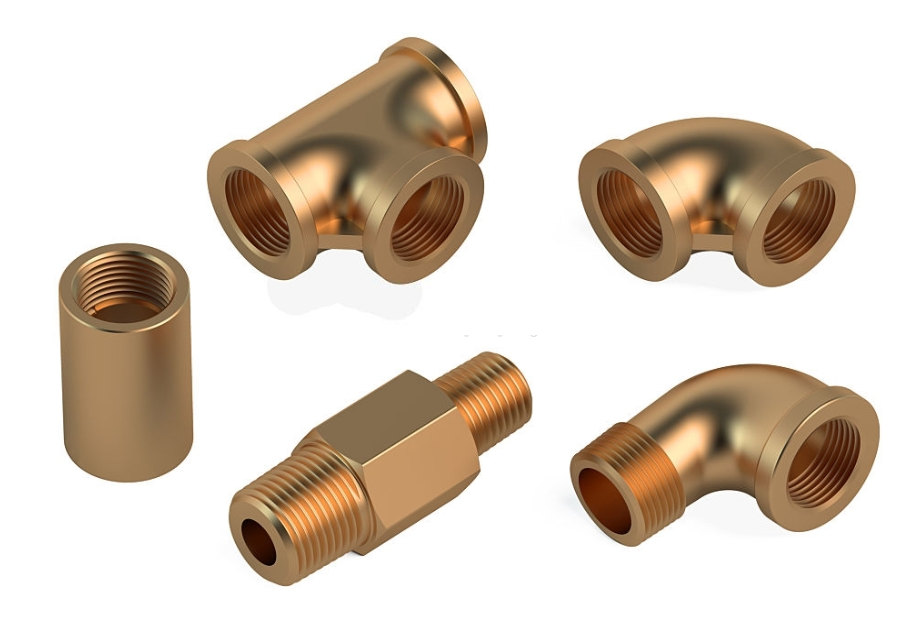
Couplings are used to connect two pipes of the same diameter in a straight line. They provide a secure and leak-proof joint between pipe sections. Couplings are commonly used in repair, extension, and modification of pipelines. Designed for easy installation, they reduce downtime during maintenance. These fittings are suitable for both permanent and temporary piping connections. Couplings ensure structural continuity and system integrity. They are widely used across plumbing, industrial, and utility piping systems.
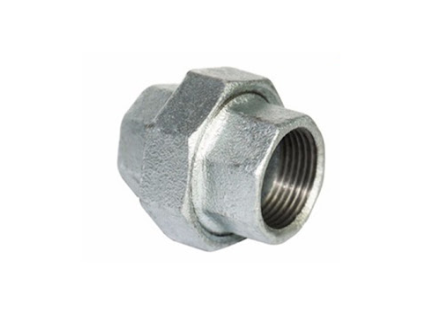
Unions are detachable pipe fittings designed to allow easy assembly and disassembly of piping systems. Unlike couplings, unions enable maintenance without cutting pipes. They are commonly used in pipelines requiring frequent inspection or replacement. Unions provide secure, leak-proof connections under pressure. Widely used in plumbing, industrial, and mechanical systems. Their design improves serviceability and reduces maintenance time. Unions enhance operational flexibility in complex piping networks.
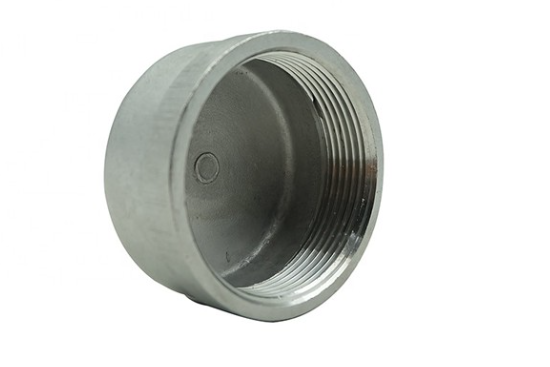
Caps and plugs are used to close the ends of pipes to stop fluid flow. Caps cover the external pipe end, while plugs seal internal pipe threads. These fittings are essential for pipeline termination, pressure testing, and future expansion provisions. Caps and plugs protect pipelines from contamination and damage. They are used across industrial, plumbing, and utility piping systems. Designed to withstand pressure, they ensure system safety and reliability. These fittings support both temporary and permanent closures.
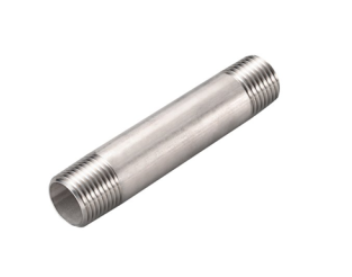
Nipples are short pipe sections with threaded ends used to connect two fittings or components. They provide flexibility in spacing and alignment within piping systems. Nipples are widely used in compact installations and equipment connections. Available in various lengths and thread types, they support customization. These fittings ensure secure and leak-proof connections. Nipples are commonly used in plumbing, industrial, and mechanical applications. Their simplicity makes them essential components in pipeline assemblies.
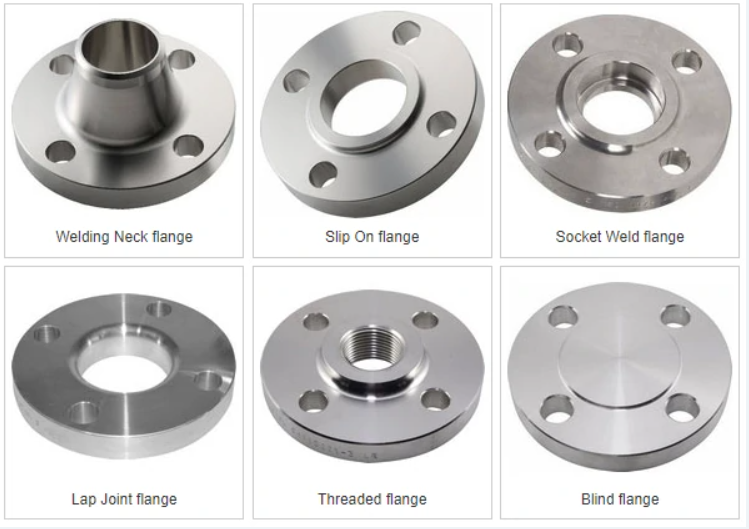
Flanges are pipe fittings used to connect pipes, valves, pumps, and equipment through bolted joints. Types include Weld Neck, Slip-On, Blind, Socket Weld, and Threaded flanges. Flanged connections allow easy assembly, inspection, and maintenance. They are designed to withstand high pressure, temperature, and mechanical stress. Widely used in industrial plants, refineries, and power stations. Flanges ensure strong sealing and alignment in piping systems. Their versatility makes them critical for heavy-duty applications.
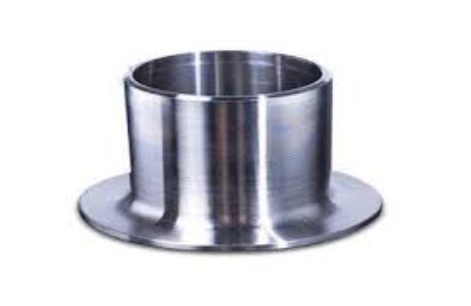
Stub ends are pipe fittings used with lap joint flanges to create flexible flange connections. They allow easy alignment and rotation during installation. Stub ends are commonly used in systems requiring frequent dismantling. They reduce wear on flanges and improve joint longevity. Widely used in stainless steel and industrial piping systems. Stub ends support smooth flow and reliable sealing. They are ideal for applications where maintenance accessibility is important.
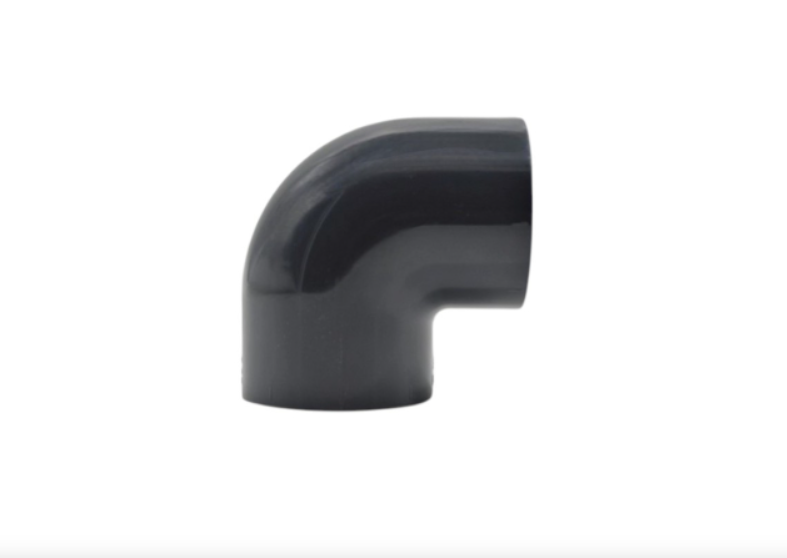
Plastic elbows are used to change the direction of flow in piping systems while maintaining smooth fluid movement. These fittings help design compact and efficient pipeline layouts in constrained spaces. Manufactured for durability, they offer excellent resistance to corrosion, chemicals, and moisture. Plastic elbows reduce friction losses and minimize stress on pipelines. Widely used in water supply, drainage, and industrial piping systems. Their lightweight nature allows easy handling and installation. Suitable for both residential and commercial applications. They ensure long-term leak-free performance when properly installed.
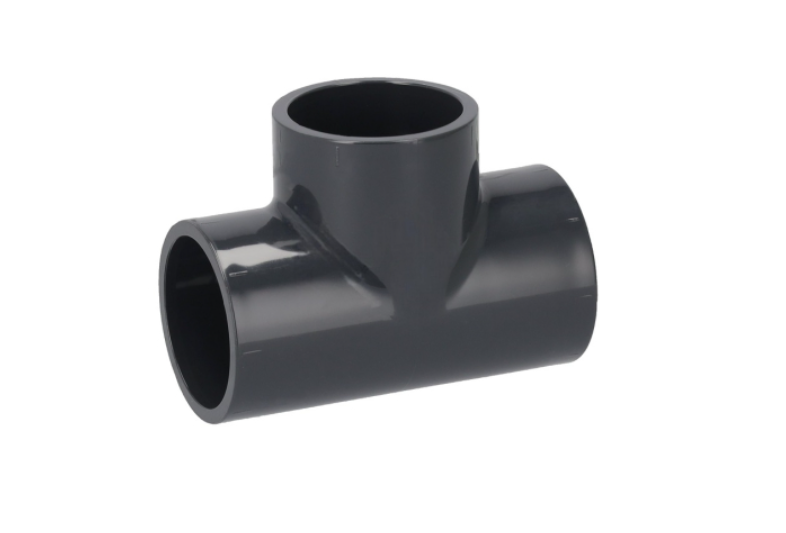
Plastic tees are fittings used to divide or combine flow within a pipeline system. They allow branching of pipelines without compromising flow efficiency. Tees are commonly used in plumbing, irrigation, and industrial fluid distribution systems. Manufactured with precision, they ensure secure and leak-proof connections. Plastic tees offer resistance to chemicals and corrosion. Available in equal and reducing configurations to suit different pipe sizes. Their smooth internal surface ensures consistent flow. These fittings support flexible and scalable piping layouts.
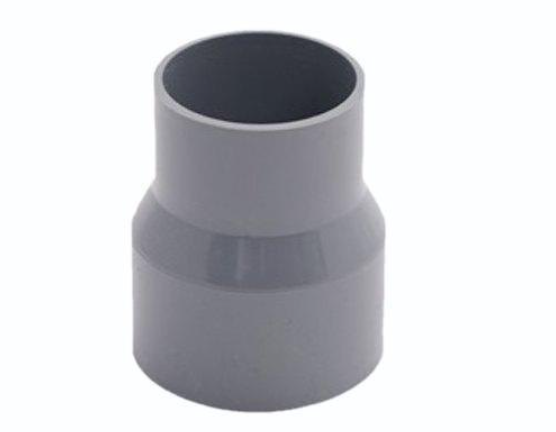
Plastic reducers are used to connect pipes of different diameters within a piping system. They help control flow velocity and pressure transitions efficiently. Reducers ensure smooth flow without turbulence or sudden pressure loss. Widely used in water supply, drainage, and industrial piping networks. These fittings provide excellent chemical resistance and durability. Plastic reducers are lightweight and easy to install. Suitable for both vertical and horizontal installations. They help optimize system performance and longevity.
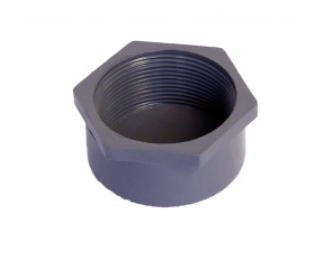
Plastic end caps are used to seal the open ends of pipes securely. They prevent leakage, contamination, and accidental discharge of fluids. End caps are essential for pipeline termination, pressure testing, and future expansion points. Manufactured for strength and durability, they withstand internal pressure effectively. Commonly used in plumbing, drainage, and industrial piping systems. Plastic end caps resist corrosion and chemical attack. They provide a clean and safe pipe closure solution. Suitable for both temporary and permanent applications.
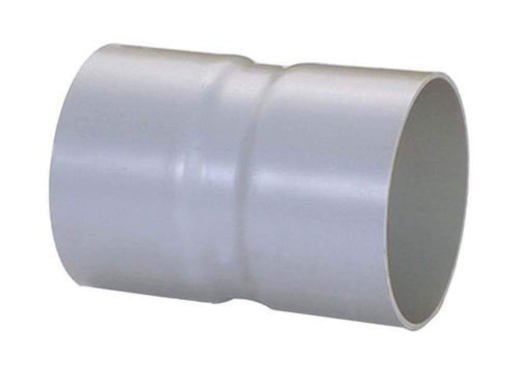
Plastic couplers are fittings used to join two pipes of the same diameter in a straight line. They provide a strong, leak-proof connection between pipe sections. Couplers are commonly used for pipeline extensions, repairs, and modifications. Lightweight and easy to install, they reduce installation time and effort. These fittings offer excellent resistance to rust, corrosion, and chemicals. Widely used in plumbing, irrigation, and industrial applications. Plastic couplers ensure long-term system integrity. They support smooth and continuous flow.
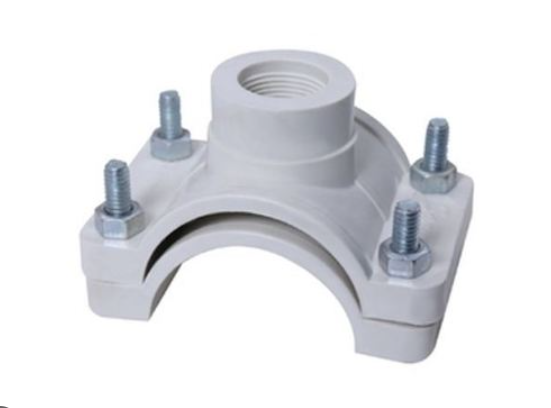
Plastic saddles are fittings used to create branch connections on existing pipelines without cutting the pipe completely. They are commonly used in water distribution and irrigation systems. Saddles allow quick and efficient tapping of pipelines. Designed for secure clamping, they ensure leak-proof connections. Plastic saddles offer corrosion resistance and durability. Suitable for underground and surface installations. They minimize downtime during system expansion. Saddles provide a cost-effective solution for pipeline branching.
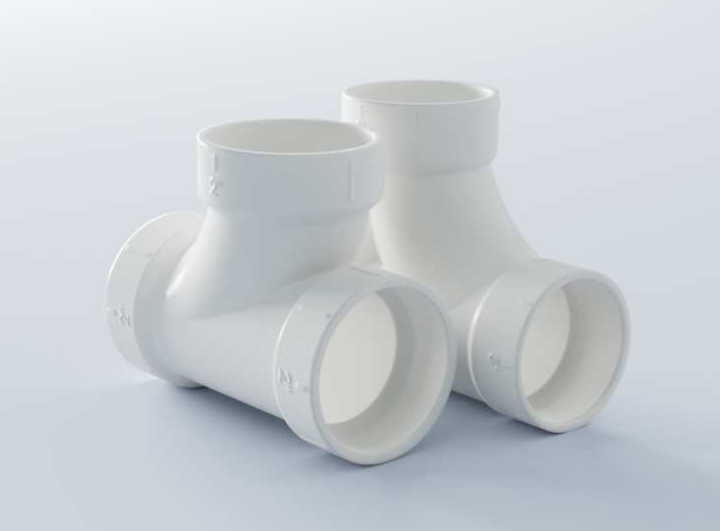
Solvent weld fittings are designed to create permanent, leak-proof joints using chemical bonding. The solvent softens the pipe and fitting surfaces, forming a strong molecular bond. These fittings are widely used in PVC and CPVC piping systems. Solvent weld joints provide excellent pressure-handling capability. Common applications include water supply, drainage, and chemical piping systems. These fittings ensure long service life with minimal maintenance. Proper installation results in a joint as strong as the pipe itself. Ideal for permanent piping installations.
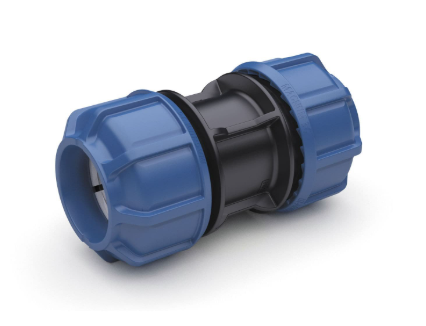
Compression fittings are mechanical joints used to connect pipes without welding or solvents. They provide quick and secure connections using compression rings and nuts. These fittings are widely used in water supply and repair applications. Compression fittings allow easy installation and disassembly. They offer reliable sealing under moderate pressure conditions. Suitable for both temporary and permanent installations. These fittings reduce installation time and skill requirements. Ideal for maintenance and retrofit projects.
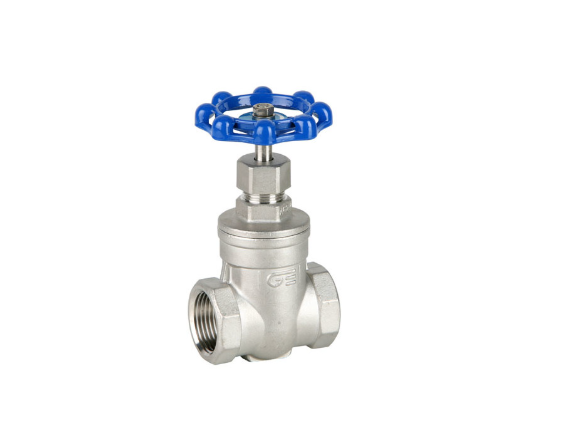
Gate valves are primarily used to start or stop the flow of fluid in a pipeline. They operate by lifting a gate out of the flow path, allowing unobstructed flow when fully open. These valves cause very low pressure drop, making them suitable for long pipeline runs. Gate valves are not recommended for throttling applications as partial opening can damage the gate. They are widely used in water supply systems, oil and gas pipelines, and industrial process lines. Their simple design ensures durability and reliable performance. Available in various materials, they can handle high pressure and temperature conditions. Gate valves are ideal where infrequent operation is required.
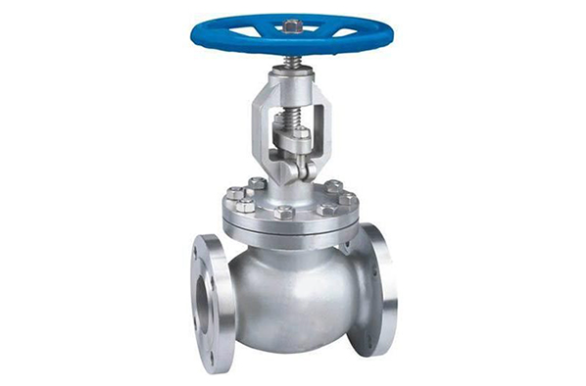
Globe valves are designed specifically for regulating and throttling fluid flow. Their internal structure allows precise control over flow rate and pressure. Unlike gate valves, globe valves can be operated in partially open positions without damage. They are commonly used in steam systems, fuel oil lines, and cooling water systems. Globe valves provide excellent shut-off capability when closed. Though they cause higher pressure drop, they offer superior flow control accuracy. These valves are suitable for applications requiring frequent operation. Their robust construction ensures long-term reliability in industrial environments.
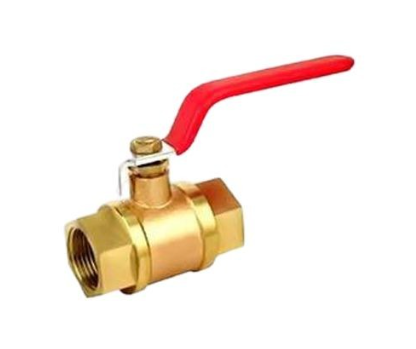
Ball valves use a rotating ball with a bore to control fluid flow efficiently. They offer quick quarter-turn operation, allowing fast opening and closing. Ball valves provide tight shut-off and minimal leakage, making them highly reliable. They are suitable for water, gas, chemicals, and oil applications. Due to their simple design, they require very low maintenance. Ball valves allow smooth flow with minimal pressure loss. They are available in full bore and reduced bore designs. Their durability makes them ideal for high-pressure and high-temperature systems.
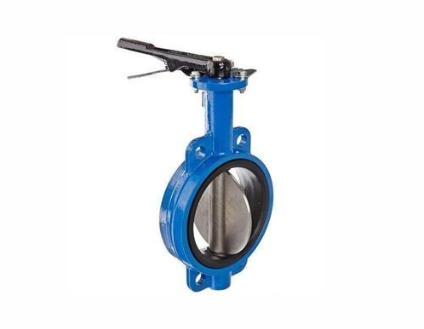
Butterfly valves control fluid flow using a rotating disc mounted on a central shaft. They are compact, lightweight, and require less installation space compared to other valves. These valves are ideal for large-diameter pipelines and high-volume flow applications. Butterfly valves allow quick operation with minimal effort. They are widely used in water treatment plants, HVAC systems, and fire-fighting lines. Their design supports both on-off and throttling operations. Butterfly valves offer cost-effective solutions for large systems. They provide good sealing and long service life.
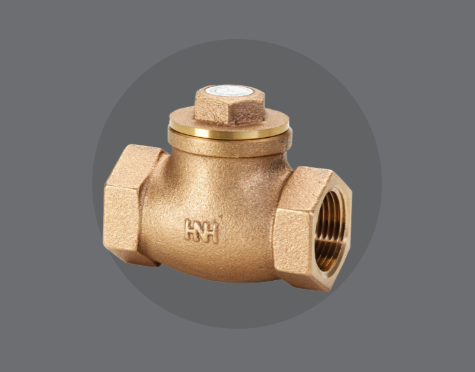
Check valves, also known as Non-Return Valves, allow fluid to flow in only one direction. They automatically prevent backflow without manual operation. These valves protect pumps, compressors, and pipelines from damage caused by reverse flow. Check valves are widely used in water supply, oil, gas, and chemical pipelines. They operate based on fluid pressure and flow direction. Available in swing, lift, and spring-loaded designs, they suit different applications. Check valves ensure system safety and efficiency. Their simple mechanism ensures reliable performance with minimal maintenance.
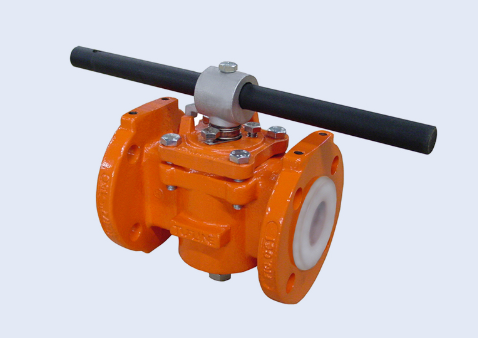
Plug valves control flow using a cylindrical or tapered plug with a passage. They provide quick on-off operation with a quarter turn. These valves are known for tight sealing and leak-proof performance. Plug valves are suitable for handling slurries, viscous fluids, and corrosive media. Their simple design ensures easy operation and maintenance. They are commonly used in chemical processing and oil industries. Plug valves offer low flow resistance when fully open. Their durability makes them suitable for demanding industrial conditions.
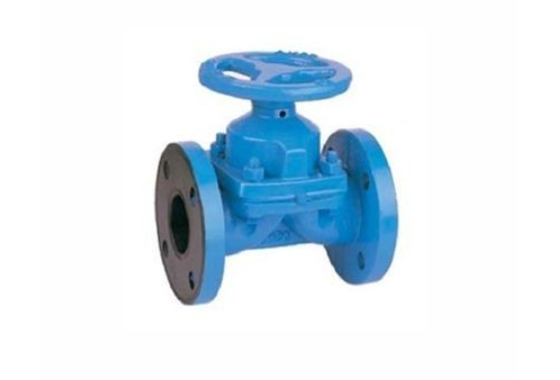
Diaphragm valves use a flexible diaphragm to control fluid flow. They provide excellent sealing and are ideal for handling corrosive and abrasive fluids. These valves prevent contamination, making them suitable for pharmaceutical and food industries. Diaphragm valves offer smooth flow control and tight shut-off. They are easy to maintain due to simple internal construction. These valves are commonly used in chemical and wastewater treatment plants. Diaphragm valves perform well in low-pressure applications. Their hygienic design supports clean and safe operations.
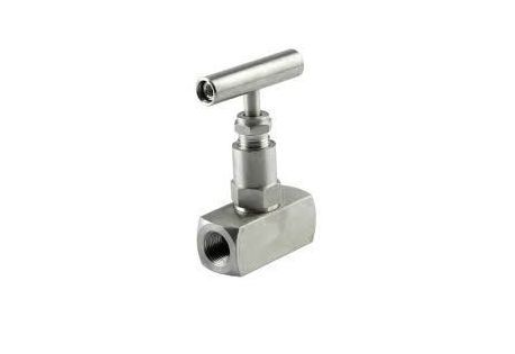
Needle valves are designed for precise flow control in low-flow applications. They use a slender, tapered needle to regulate flow accurately. These valves are commonly used in instrumentation and pressure control systems. Needle valves allow gradual and controlled opening and closing. They are ideal for gases and liquids requiring fine adjustment. Their design supports high-pressure applications. Needle valves ensure stable flow and pressure regulation. They are widely used in laboratories and industrial monitoring systems.
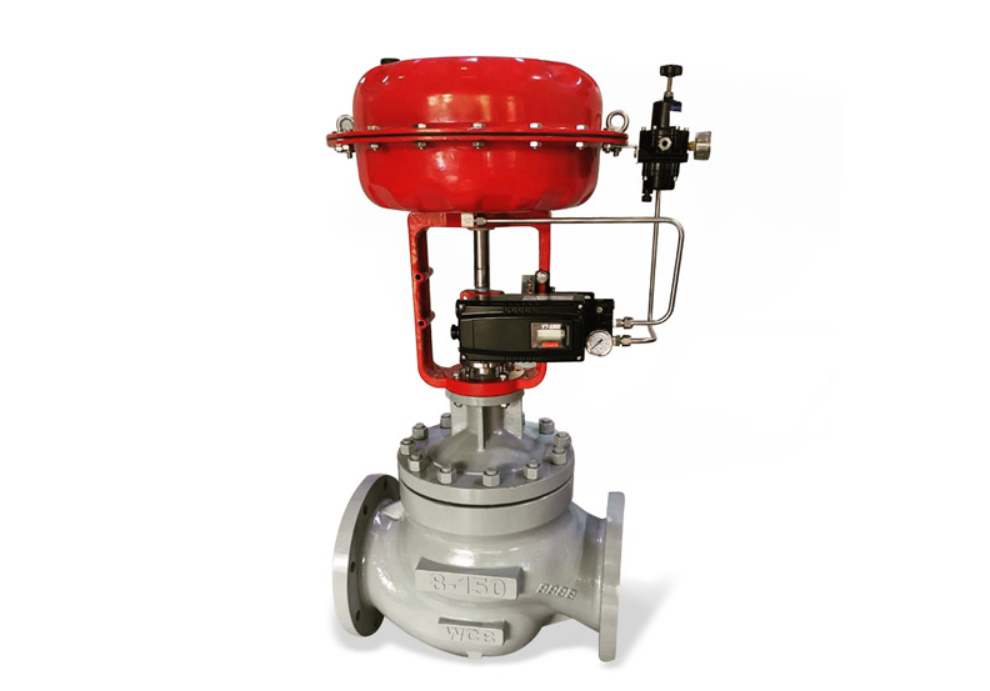
Control valves are critical components used to regulate flow, pressure, temperature, and liquid levels in industrial systems. They automatically adjust their position based on signals received from controllers or sensors. These valves ensure precise process control, improving efficiency and product quality. Control valves are widely used in oil & gas, power plants, chemical industries, and water treatment facilities. They help maintain stable operating conditions under varying loads. Available in pneumatic, electric, and hydraulic actuation types, they suit diverse applications. Control valves reduce energy losses and system fluctuations. Their accurate modulation ensures safety and consistent performance. Designed for continuous operation, they are built for durability and reliability. Proper control valve selection enhances overall plant productivity.
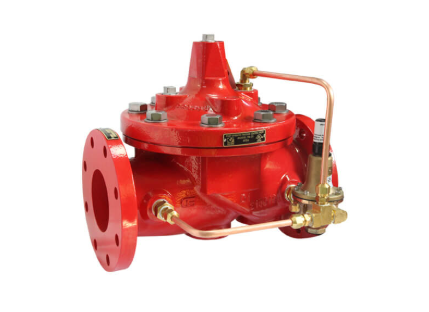
Pressure reducing valves are designed to automatically reduce high inlet pressure to a safe and constant outlet pressure. They protect downstream pipelines, equipment, and fixtures from damage caused by excessive pressure. PRVs maintain stable pressure regardless of fluctuations in upstream supply. These valves are commonly used in water supply systems, steam lines, and industrial processes. They help improve system efficiency and extend equipment life. Pressure reducing valves reduce water hammer and pressure-related failures. They operate without external power, using internal spring and diaphragm mechanisms. PRVs ensure consistent flow performance. Their use improves safety and reduces maintenance costs. Ideal for residential, commercial, and industrial installations.
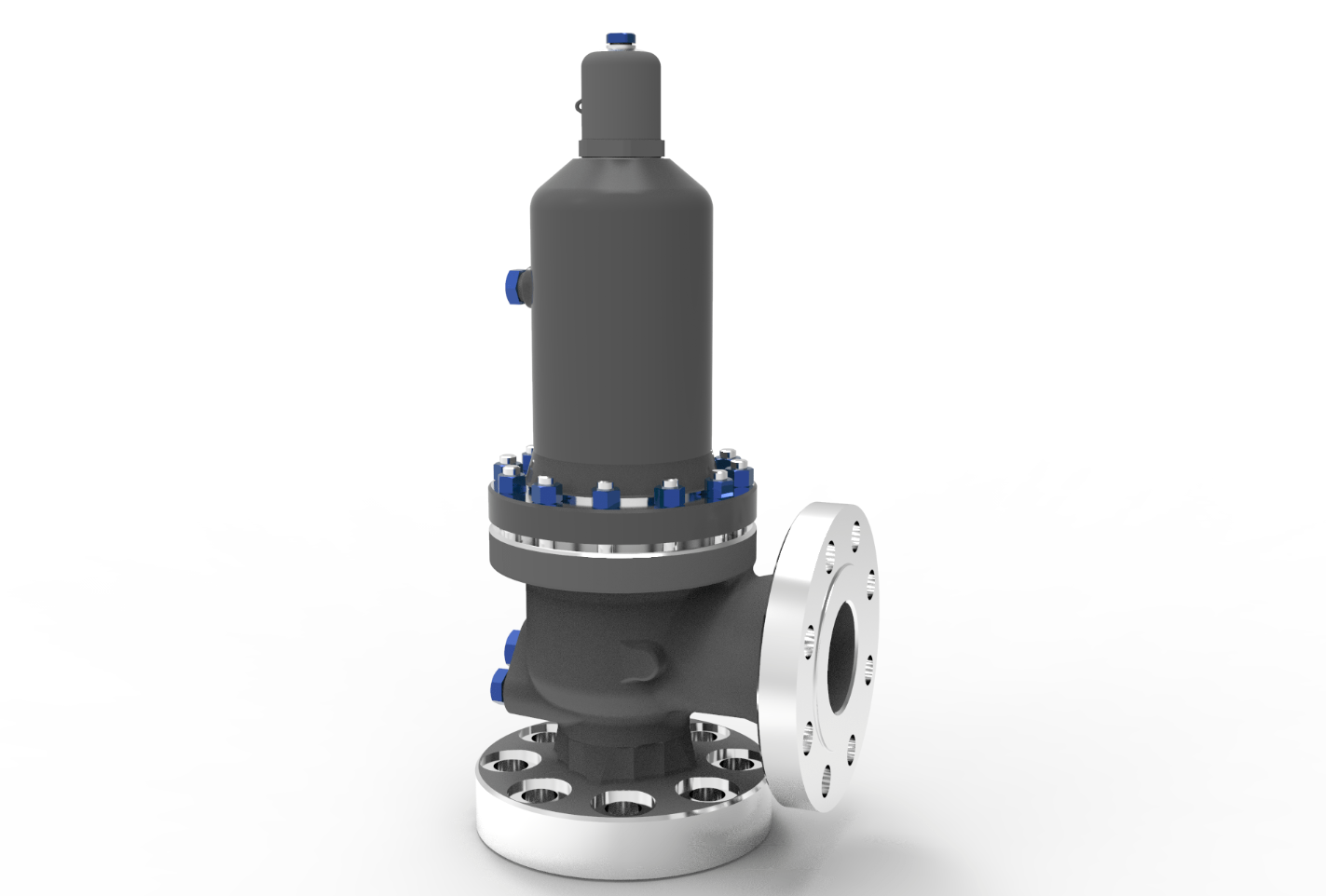
Pressure relief and safety valves are essential safety devices used to protect systems from overpressure conditions. They automatically release excess pressure when it exceeds a preset limit. These valves prevent equipment failure, explosions, and system damage. Widely used in boilers, pressure vessels, compressors, and pipelines. Safety valves operate instantly to ensure rapid pressure discharge. They play a crucial role in industrial safety compliance. Designed to handle extreme pressure conditions, they ensure reliable operation. Once pressure returns to normal, the valve reseats automatically. These valves help safeguard personnel and infrastructure. Mandatory in high-pressure industrial applications.
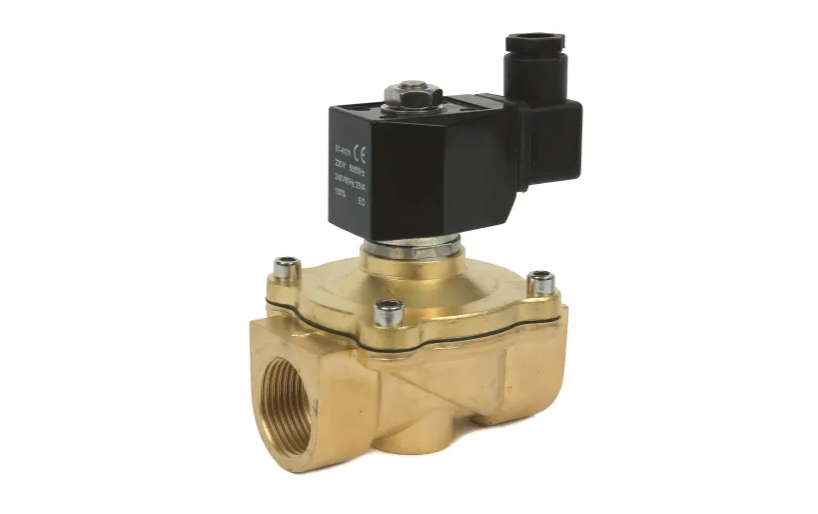
Solenoid valves are electrically operated valves used for automatic flow control. They open or close in response to an electrical signal, enabling fast and precise operation. Commonly used in automation systems, irrigation, HVAC, and fluid control applications. Solenoid valves offer excellent response time and reliable performance. They are suitable for air, water, oil, and gas applications. Available in normally open and normally closed configurations. These valves simplify remote operation and system automation. Compact design allows easy installation in tight spaces. Solenoid valves improve process efficiency and control accuracy. Ideal for modern automated industrial systems.
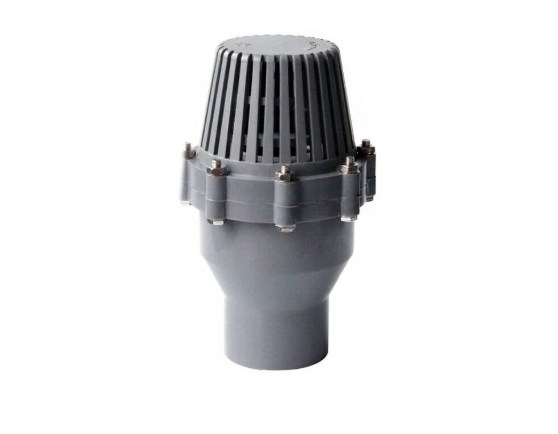
Foot valves are installed at the suction end of pumps to maintain prime and prevent backflow. They allow fluid to flow in one direction while stopping reverse flow when the pump is off. Commonly used in water supply, irrigation, and pumping systems. Foot valves help improve pump efficiency and reduce startup time. They are usually equipped with strainers to prevent debris entry. These valves protect pumps from dry running and damage. Made from durable materials for long service life. Foot valves reduce maintenance requirements. Suitable for wells, tanks, and reservoirs. Essential for smooth pump operation.
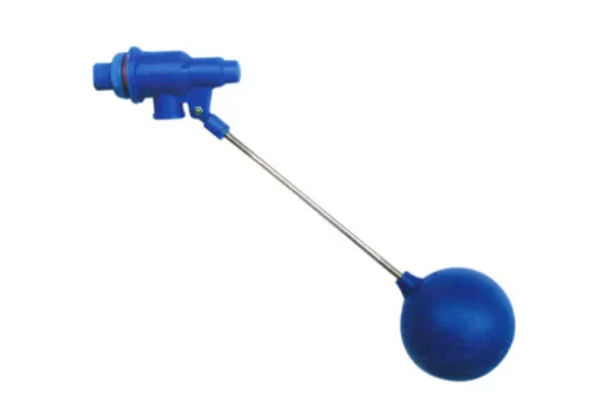
Float valves automatically control liquid levels in tanks and reservoirs. They operate based on the movement of a float that rises and falls with the liquid level. When the desired level is reached, the valve shuts off the flow. Commonly used in overhead tanks, storage tanks, and industrial reservoirs. Float valves prevent overflow and water wastage. They ensure consistent liquid levels without manual intervention. Simple mechanical operation ensures reliability. These valves are cost-effective and easy to install. Suitable for water and non-corrosive liquids. Widely used in residential, commercial, and industrial applications.
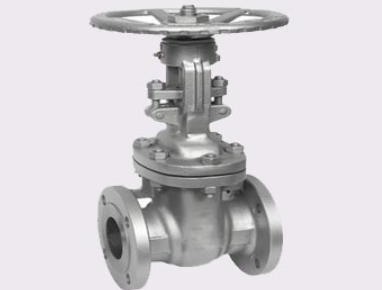
Cast iron valves are widely used in low to medium pressure applications. They offer good strength, rigidity, and cost-effectiveness for general industrial use. Commonly used in water supply, drainage, and fire-fighting systems. Cast iron provides excellent wear resistance and long service life. These valves are easy to manufacture and maintain. They are suitable for non-corrosive fluids and moderate temperatures. Cast iron valves are preferred where budget-friendly solutions are required. Their robust structure ensures stable operation. Not ideal for high-impact or high-pressure applications. Best suited for municipal and infrastructure projects.
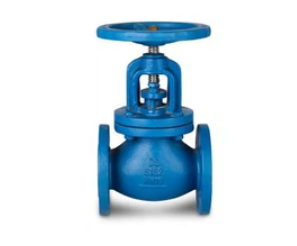
Ductile iron valves offer higher strength and flexibility compared to cast iron. They can withstand higher pressure and mechanical stress. Widely used in water distribution, sewage systems, and industrial pipelines. Ductile iron provides excellent impact resistance and durability. These valves are less prone to cracking under load. They offer long-term performance in demanding environments. Often coated with epoxy for corrosion protection. Suitable for both underground and above-ground installations. Ductile iron valves combine strength with cost efficiency. Ideal for heavy-duty applications.
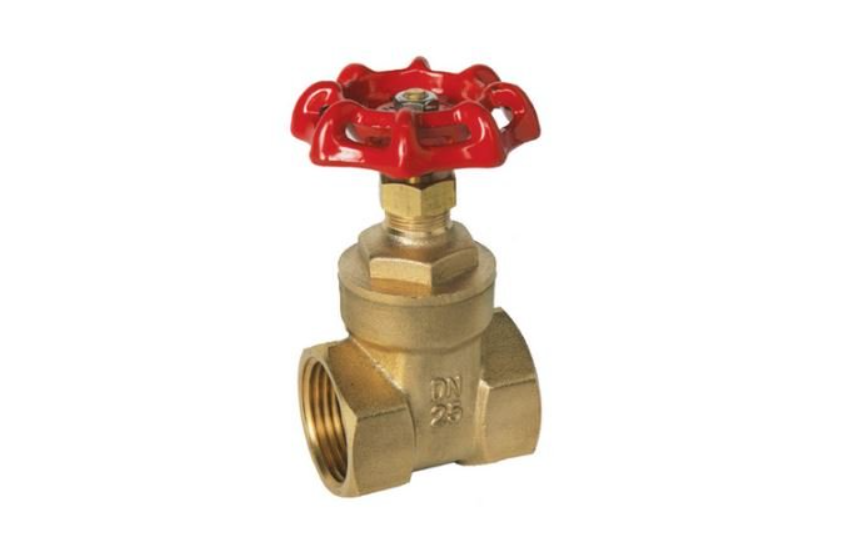
Brass valves are commonly used in plumbing and low-pressure applications. They offer good corrosion resistance, especially in water systems. Brass provides excellent machinability and smooth operation. These valves are widely used in residential and commercial plumbing. They ensure leak-free performance and long service life. Brass valves are suitable for hot and cold water applications. They offer good resistance to rust and scaling. Compact and easy to install, they are widely preferred. Brass valves provide reliable flow control. Ideal for household and light industrial use.
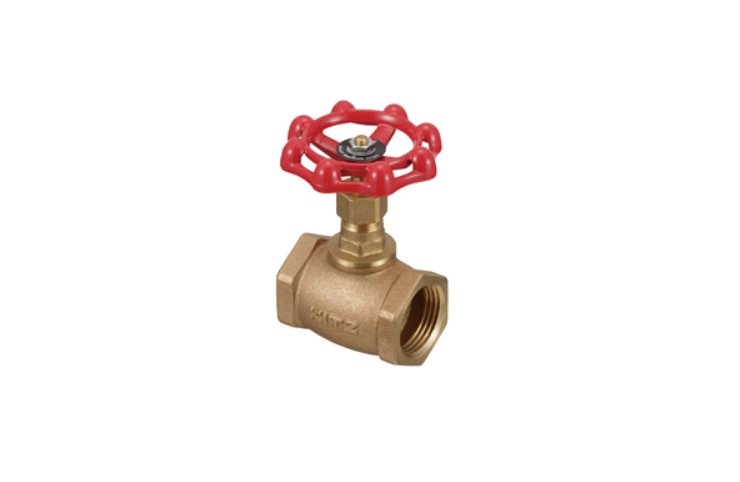
Bronze valves offer superior corrosion resistance compared to brass. They are ideal for marine, seawater, and chemical applications. Bronze material provides excellent strength and durability. These valves perform well in harsh and corrosive environments. Widely used in shipbuilding and coastal installations. Bronze valves resist dezincification and wear. They ensure smooth operation over long periods. Suitable for both water and oil applications. Bronze valves offer reliable sealing performance. Preferred for premium and critical applications.
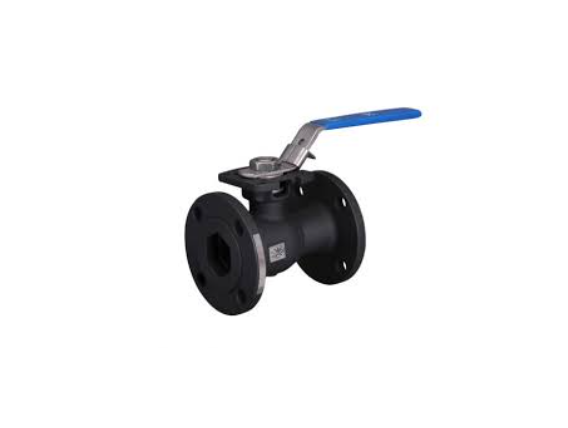
Carbon steel valves are designed for high-pressure and high-temperature applications. They provide excellent mechanical strength and durability. Commonly used in oil & gas, steam, and power plants. Carbon steel can handle extreme operating conditions. These valves offer good resistance to pressure and thermal stress. Widely used in industrial process pipelines. Carbon steel valves are suitable for non-corrosive or mildly corrosive fluids. They ensure long service life with proper maintenance. Available in various industrial standards. Ideal for heavy-duty industrial systems.
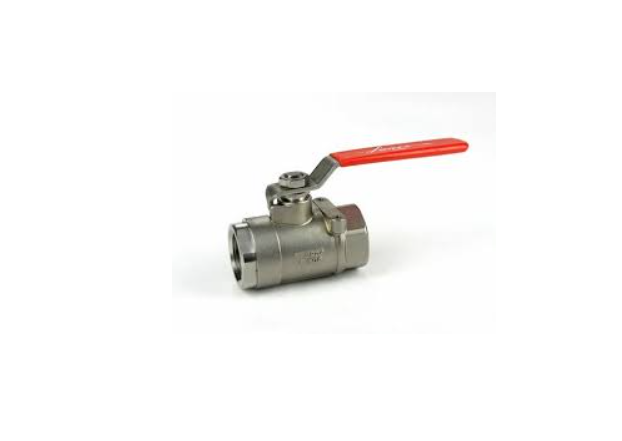
Stainless steel valves offer excellent corrosion resistance and high strength. They are ideal for aggressive, corrosive, and hygienic applications. Widely used in chemical, pharmaceutical, food, and beverage industries. Stainless steel resists rust, oxidation, and chemical attack. These valves maintain performance under high pressure and temperature. They ensure clean and contamination-free flow. Stainless steel valves offer long operational life. Easy to clean and maintain. Suitable for both liquid and gas applications. Preferred for critical and high-purity systems.
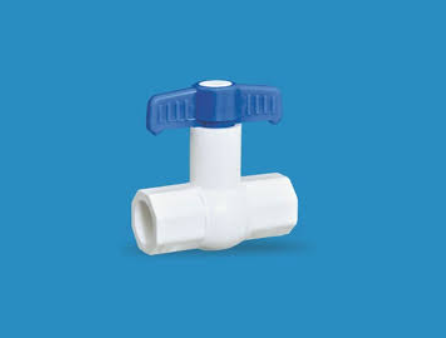
PVC and UPVC valves are lightweight and corrosion-resistant. They are commonly used in water treatment, irrigation, and chemical pipelines. These materials resist rust, scaling, and chemical attack. PVC valves are suitable for low-pressure applications. UPVC valves offer higher strength and temperature resistance. Easy to install and cost-effective. These valves provide smooth flow with minimal friction loss. Ideal for corrosive fluids and outdoor installations. Require minimal maintenance. Widely used in residential, commercial, and industrial piping systems.
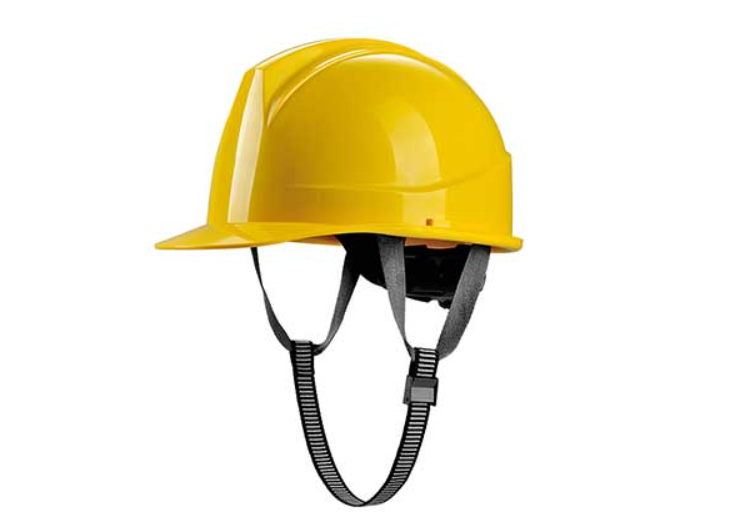
Safety helmets are essential protective gear designed to safeguard the head from impact, falling objects, and electrical hazards. They are widely used at construction sites, factories, mining areas, and industrial plants. Manufactured using high-strength materials, helmets provide excellent shock absorption. Many models are designed to resist penetration and side impact. Safety helmets also protect against accidental head bumps in confined working areas. Adjustable suspension systems ensure comfort during long working hours. Some helmets offer electrical insulation for added safety. They help reduce the risk of serious head injuries. Compliance with safety standards makes them mandatory at worksites. A critical component of workplace safety management.
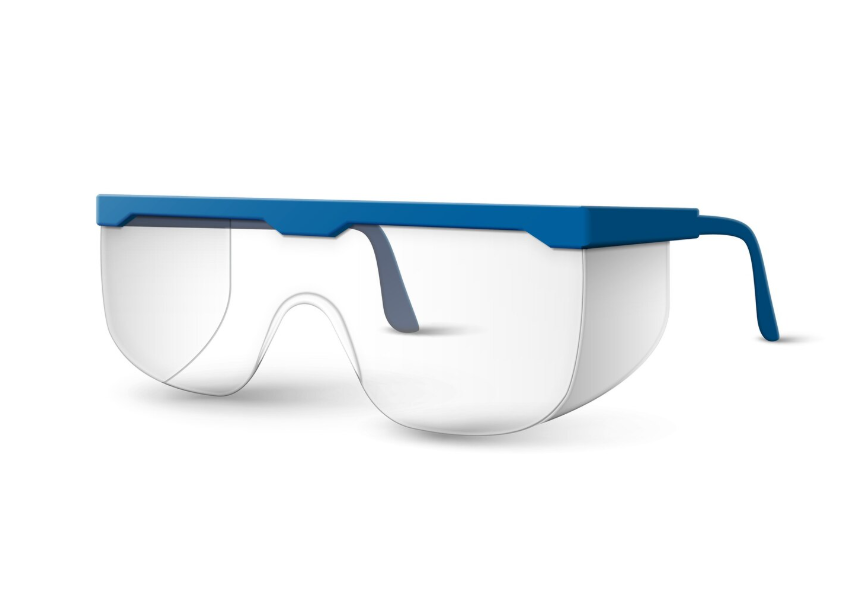
Safety goggles protect the eyes from dust, debris, chemicals, and flying particles. They are essential in construction, laboratories, workshops, and manufacturing units. Designed to provide a snug fit, goggles prevent harmful substances from entering the eyes. Anti-fog and scratch-resistant coatings enhance visibility and durability. Safety goggles also protect against chemical splashes and sparks. They help reduce the risk of eye injuries and long-term vision damage. Available in clear and tinted options for different environments. Comfortable designs allow extended usage. Lightweight construction ensures minimal strain. An essential part of personal eye protection.
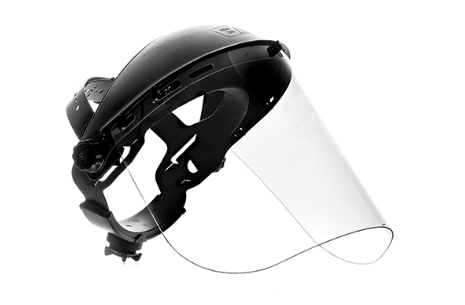
Face shields provide full-face protection against flying particles, chemical splashes, sparks, and heat. Commonly used in grinding, cutting, welding, and chemical handling operations. They offer wider coverage compared to goggles alone. Face shields help protect the eyes, nose, mouth, and face simultaneously. Made from high-impact resistant materials, they ensure durability. Adjustable headgear provides comfort and secure fit. Can be used along with safety helmets and goggles. Face shields reduce risk of facial injuries and burns. Suitable for industrial and laboratory environments. Essential for high-risk operations.
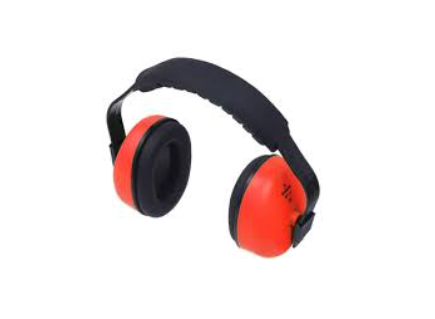
Ear plugs and ear muffs protect workers from excessive noise exposure. They are essential in factories, power plants, and construction sites. Prolonged noise exposure can cause hearing loss, which these devices help prevent. Ear plugs fit directly into the ear canal for noise reduction. Ear muffs cover the ears completely and provide higher noise attenuation. Comfortable designs allow long-term use without discomfort. Available in disposable and reusable options. Help maintain compliance with occupational noise safety standards. Reduce fatigue and stress caused by loud environments. Crucial for auditory safety at noisy workplaces.
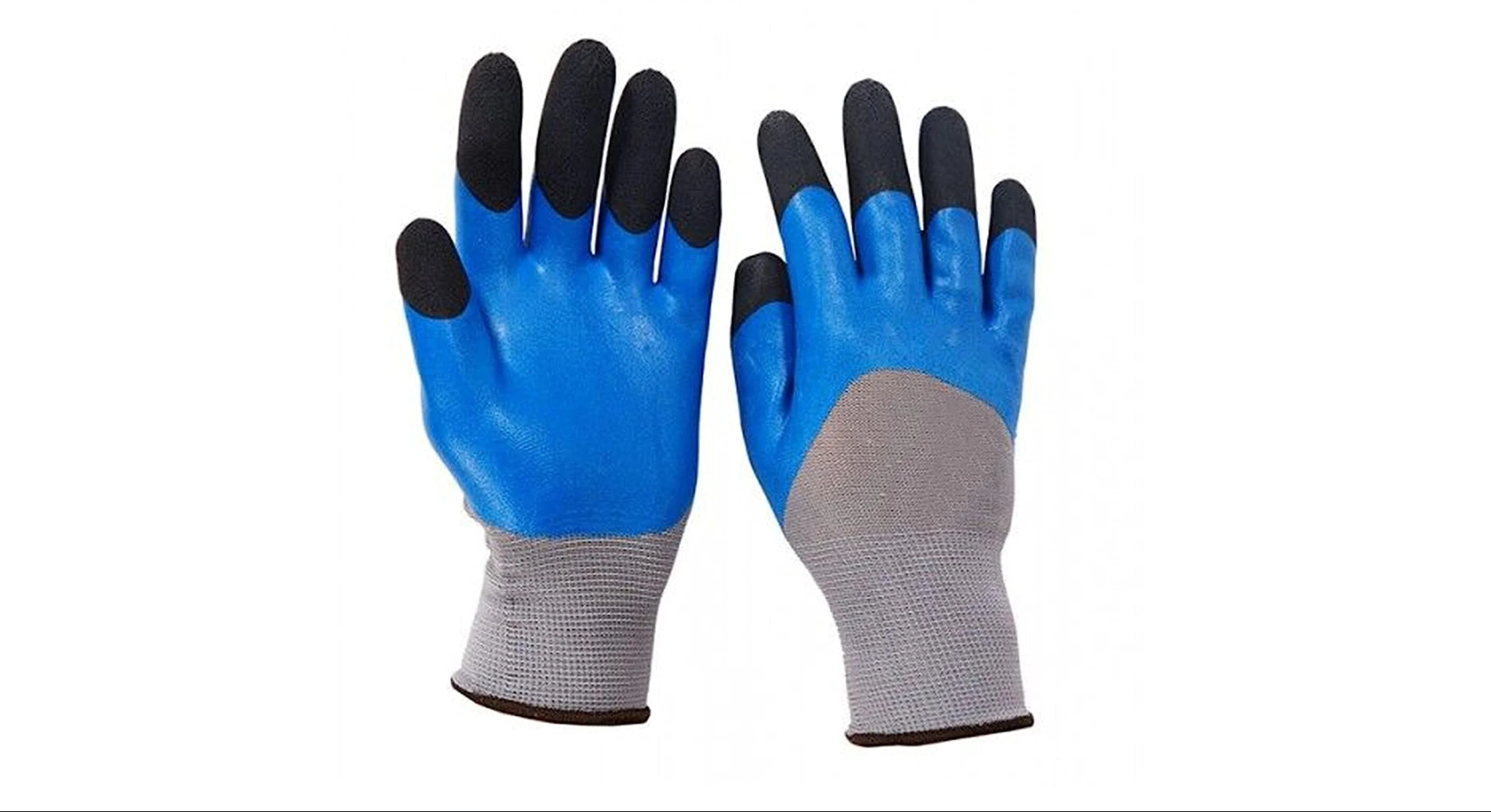
Safety gloves protect hands from cuts, abrasions, chemicals, heat, and electrical hazards. Available in cotton, leather, rubber, and cut-resistant varieties. Used across construction, manufacturing, chemical, and mechanical industries. Gloves enhance grip and handling efficiency. They prevent injuries caused by sharp objects and rough surfaces. Chemical-resistant gloves protect against harmful liquids. Cut-resistant gloves reduce risk during metal handling. Comfortable fitting ensures flexibility and dexterity. Gloves improve productivity while maintaining safety. A vital hand protection solution.
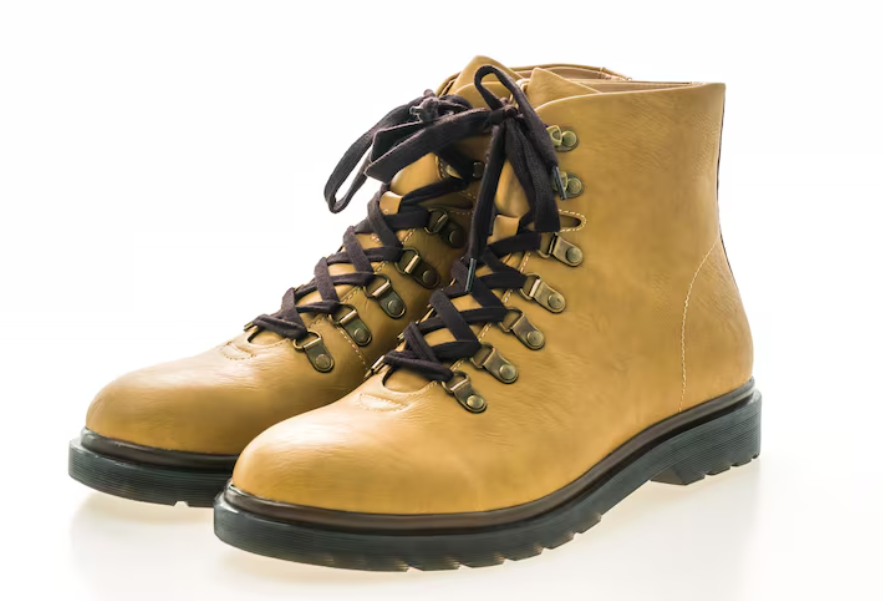
Safety shoes are designed to protect feet from impact, compression, and slipping hazards. Steel-toe boots protect toes from heavy falling objects. Commonly used in construction sites, factories, and warehouses. Anti-slip soles reduce the risk of falls. Safety shoes also provide protection against punctures and electrical hazards. Durable construction ensures long service life. Comfortable cushioning supports long working hours. Oil and chemical-resistant soles improve safety. Helps prevent serious foot injuries. Mandatory footwear for industrial safety compliance.
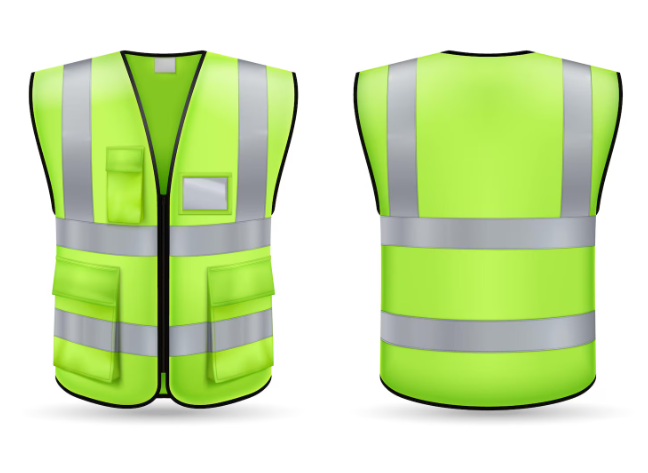
Reflective safety vests enhance worker visibility in low-light and high-traffic environments. Widely used in construction sites, road work, and industrial facilities. Bright colors and reflective strips improve visibility during day and night. These vests reduce the risk of accidents involving vehicles or machinery. Lightweight and breathable materials ensure comfort. Easy to wear over regular clothing. Helps supervisors identify workers quickly. Essential for traffic and roadside operations. Improves overall site safety. A key element in personal visibility protection.
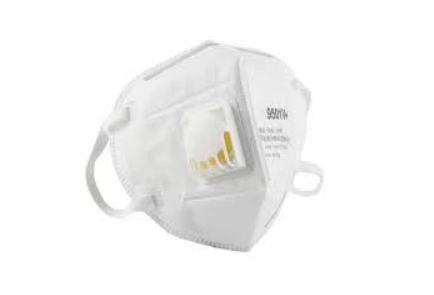
Dust masks protect against inhalation of dust, smoke, and airborne particles. Commonly used in construction, woodworking, and cement handling areas. They help reduce respiratory irritation and discomfort. Designed for comfortable breathing during extended use. Lightweight and disposable options available. Dust masks improve air quality intake. Not suitable for toxic gases but ideal for general dust protection. Helps maintain respiratory health. Easy to wear and replace. A basic yet essential safety product.
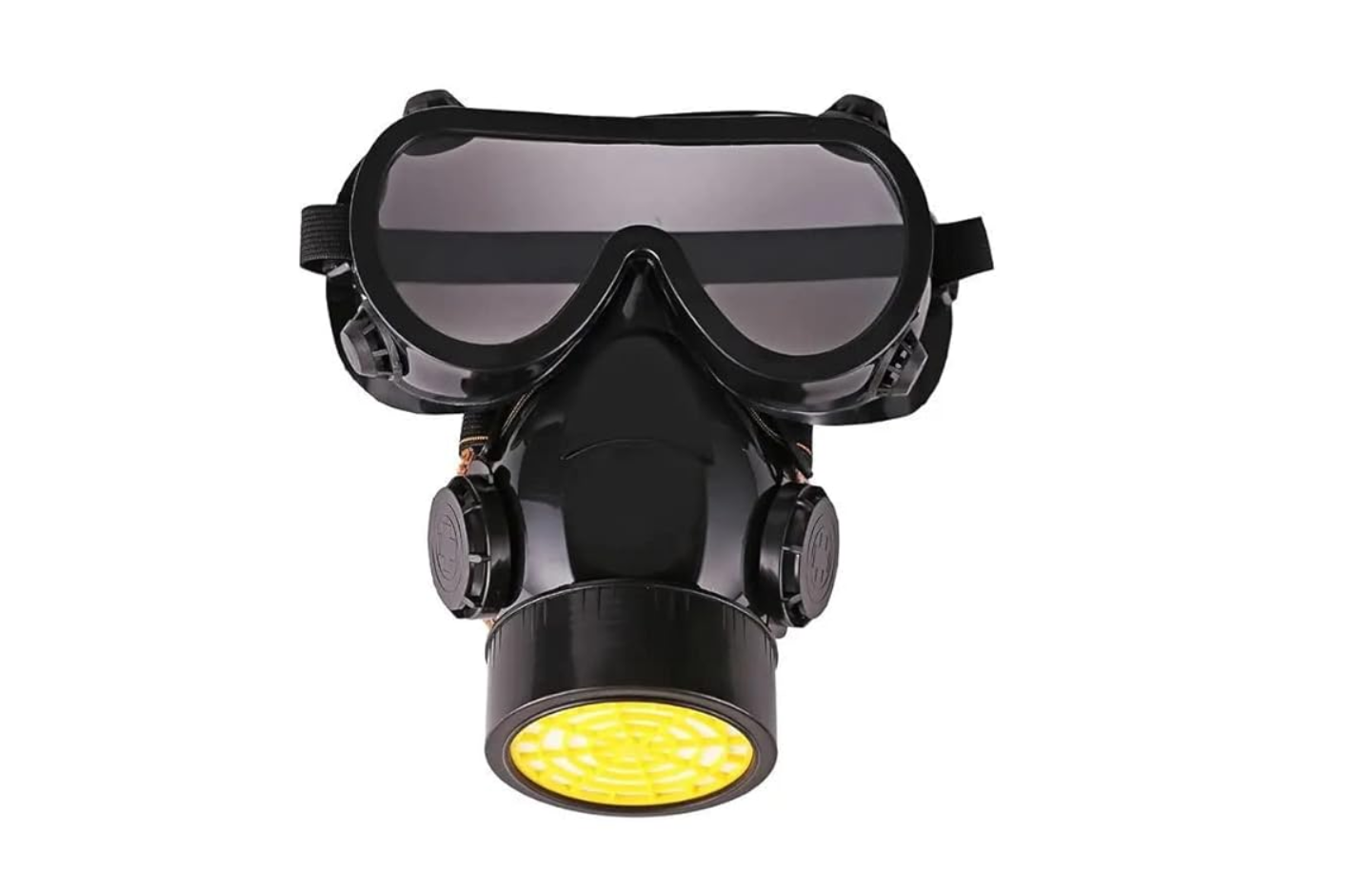
Respirators provide advanced protection against hazardous fumes, gases, and fine particles. Used in chemical plants, painting, and hazardous environments. They offer higher filtration compared to dust masks. Respirators protect lungs from long-term health damage. Available in half-face and full-face designs. Replaceable filters ensure extended usability. Designed for a secure and airtight fit. Essential for toxic and low-oxygen environments. Help meet industrial safety regulations. Critical for respiratory safety.
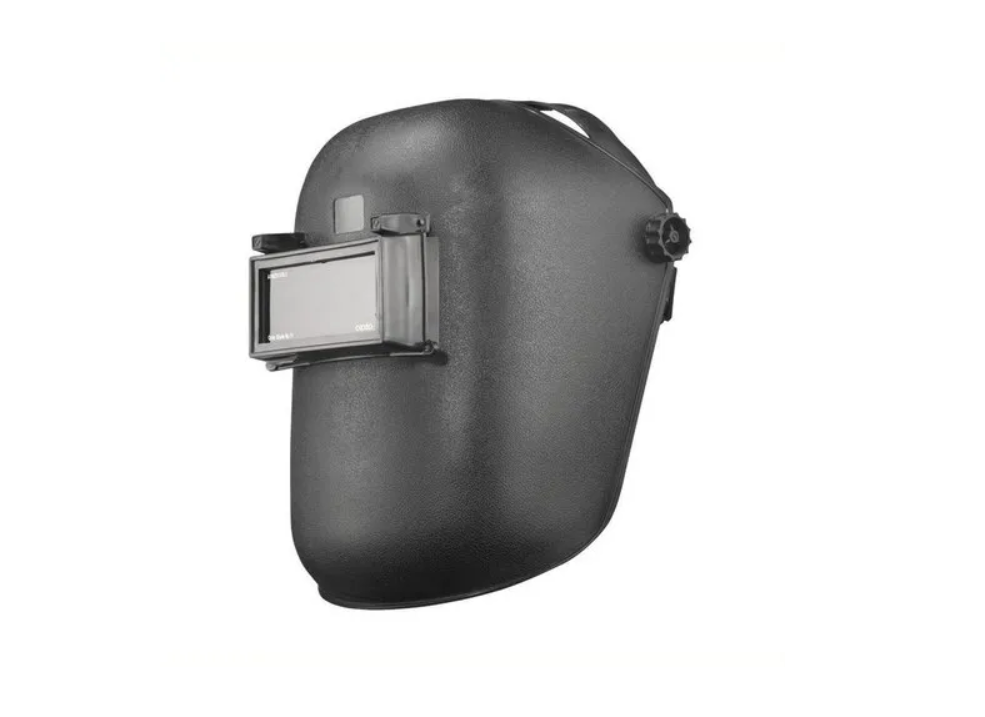
Welding masks protect eyes and face from intense light, sparks, and heat during welding. They prevent eye damage caused by UV and infrared radiation. Commonly used in fabrication and metalworking industries. Auto-darkening features improve visibility and safety. Masks protect against flying molten metal particles. Comfortable headgear allows hands-free operation. Durable construction ensures long-term performance. Reduces risk of burns and eye strain. Essential for professional welding tasks. A mandatory safety tool for welders.
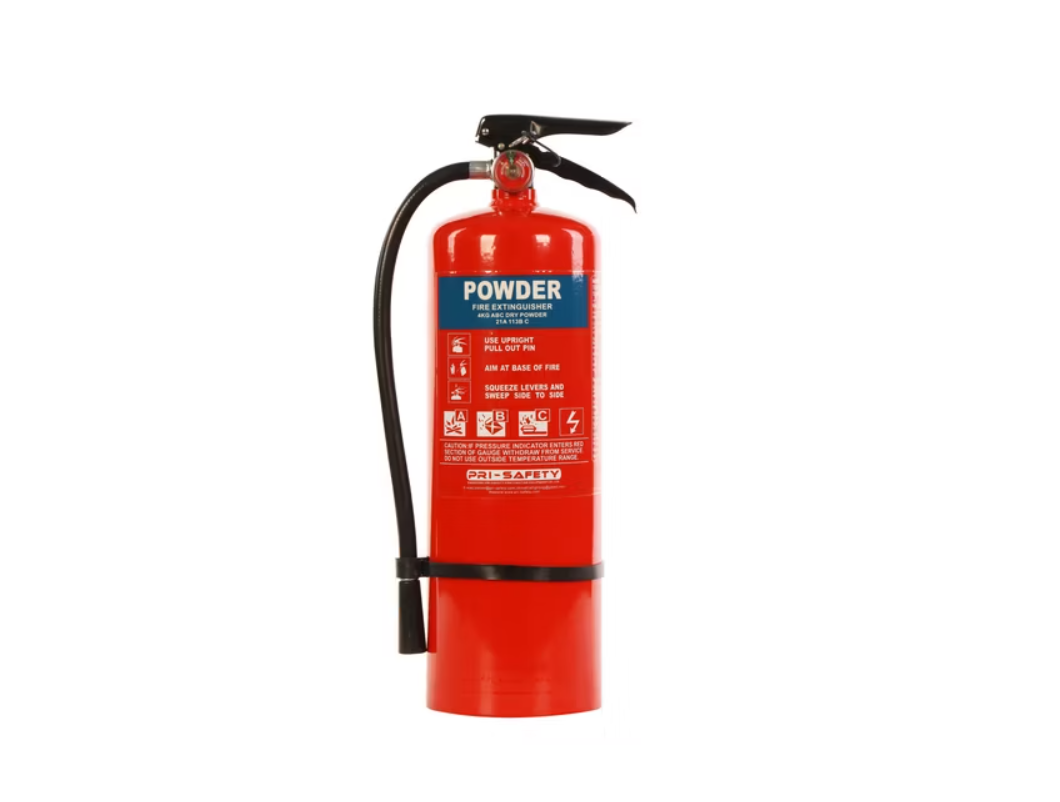
Fire extinguishers are critical safety devices used to control and extinguish fires during emergencies. ABC extinguishers are suitable for common fires involving solid materials, liquids, and electrical equipment. CO₂ extinguishers are ideal for electrical and flammable liquid fires as they leave no residue. Foam extinguishers are effective for liquid fires by forming a smothering layer. These extinguishers help prevent small fires from escalating into major incidents. Widely used in offices, factories, warehouses, and commercial buildings. Easy-to-operate designs ensure quick response during emergencies. Regular inspection and maintenance ensure reliability. Fire extinguishers are mandatory as per safety regulations. They play a vital role in workplace fire safety management.

Fire blankets are designed to smother small fires and protect people from flames. They are commonly used for kitchen fires, electrical fires, and clothing fires. Made from fire-resistant materials, they cut off oxygen supply to the fire. Fire blankets are easy to use and require no training. They are ideal for quick response situations. Also used to wrap around individuals to extinguish flames on clothing. Compact design allows easy storage near fire-prone areas. Fire blankets provide an additional layer of fire safety. Suitable for residential, commercial, and industrial use. A simple yet effective fire safety solution.

First aid kits provide immediate medical assistance during workplace injuries. They contain essential medical supplies for cuts, burns, and minor accidents. First aid kits help reduce the severity of injuries before professional help arrives. Widely used in factories, construction sites, offices, and warehouses. Well-organized kits allow quick access to supplies. Regular replenishment ensures readiness at all times. First aid kits support workplace health and safety compliance. They help reduce downtime caused by injuries. Essential for emergency preparedness. A basic requirement for every workplace.
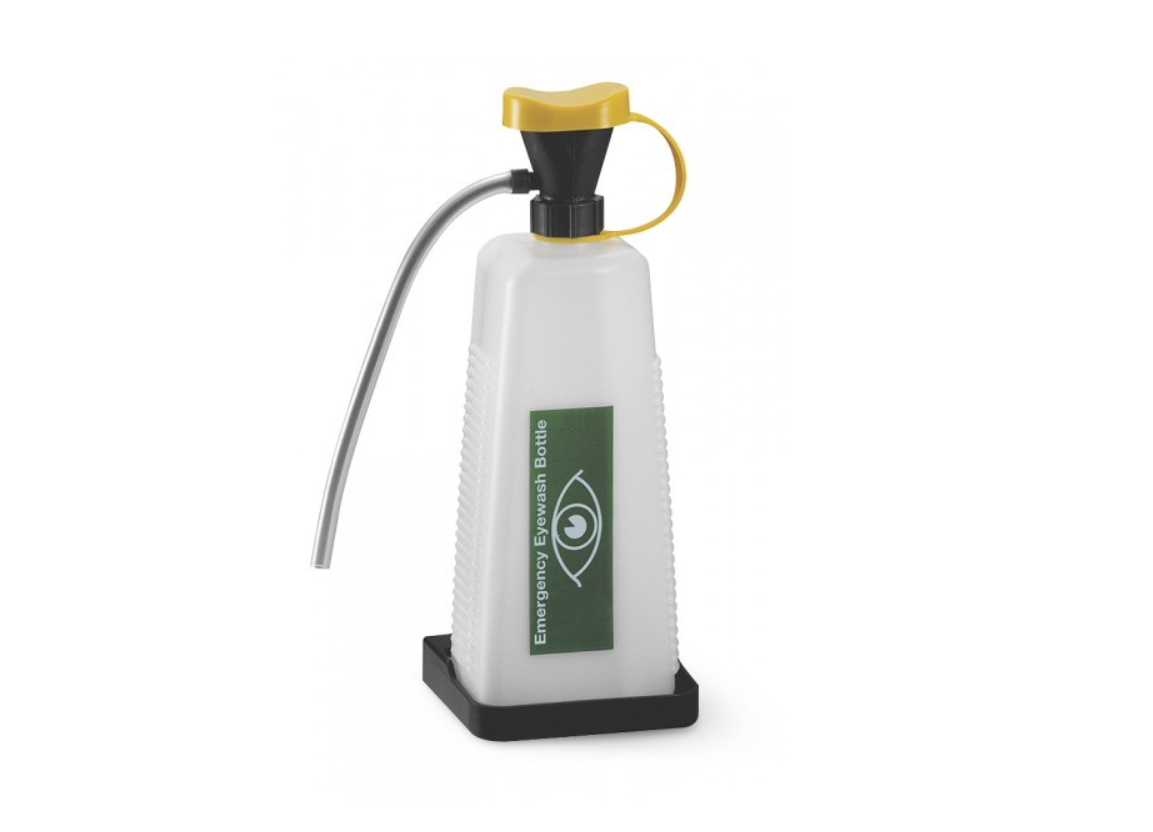
Emergency eye wash bottles are used to flush contaminants from the eyes instantly. They are critical in workplaces dealing with chemicals, dust, and hazardous substances. Quick eye flushing helps prevent serious eye injuries. Portable bottles allow immediate access during emergencies. Designed to deliver controlled and continuous water flow. Widely used in laboratories, factories, and chemical plants. Easy-to-use design ensures rapid response. Eye wash bottles improve workplace safety standards. They reduce the risk of permanent eye damage. A vital safety product for hazardous environments.
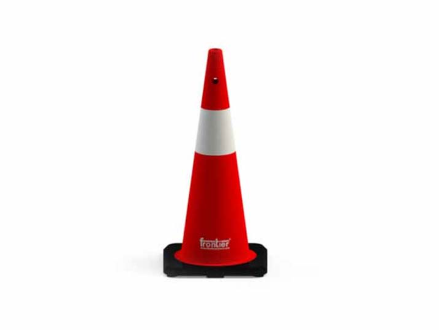
Safety cones are used to mark hazardous areas and control movement. They help prevent accidents by alerting workers and visitors. Commonly used at construction sites, warehouses, and road work areas. Bright colors improve visibility in low-light conditions. Lightweight and easy to deploy. Safety cones help manage traffic and work zones efficiently. They reduce the risk of slips and collisions. Durable materials ensure long-term use. Reusable and cost-effective safety solution. Essential for temporary hazard management.
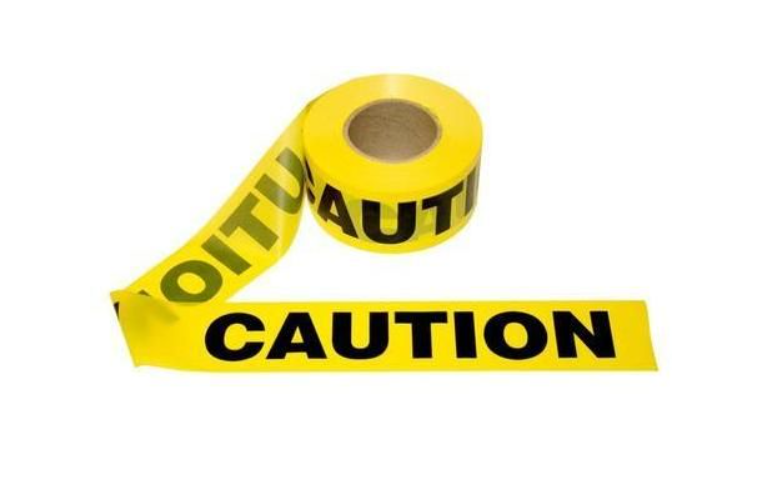
Caution tapes are used to restrict access to unsafe or restricted areas. They provide clear visual warning to workers and visitors. Widely used during maintenance, repairs, and construction activities. Bright colors and bold text ensure visibility. Easy to install and remove as needed. Caution tapes help prevent unauthorized entry. They support temporary safety control measures. Lightweight and cost-effective solution. Used in industrial, commercial, and public areas. A simple yet effective safety indicator.
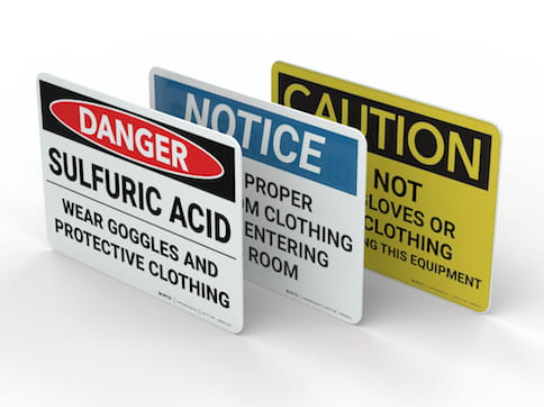
Safety signboards communicate important safety instructions and warnings. They help promote awareness and safe behavior at workplaces. Used to indicate hazards, mandatory actions, and emergency exits. Clear symbols and text ensure easy understanding. Safety signboards help reduce accidents and injuries. They are essential for safety compliance and audits. Durable materials ensure long-lasting visibility. Suitable for indoor and outdoor use. Widely used in factories and construction sites. A key component of workplace safety communication.
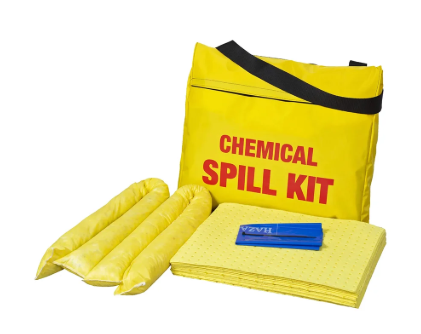
Spill kits are designed to handle accidental spills of chemicals, oils, and hazardous liquids. They contain absorbents, gloves, and disposal tools. Spill kits help control spills quickly and prevent environmental damage. Widely used in industrial plants and laboratories. Easy-to-use components allow fast response. They reduce slip hazards and contamination risks. Spill kits support environmental safety compliance. Available for different types of spills. Essential for emergency preparedness. A must-have for hazardous material handling areas.
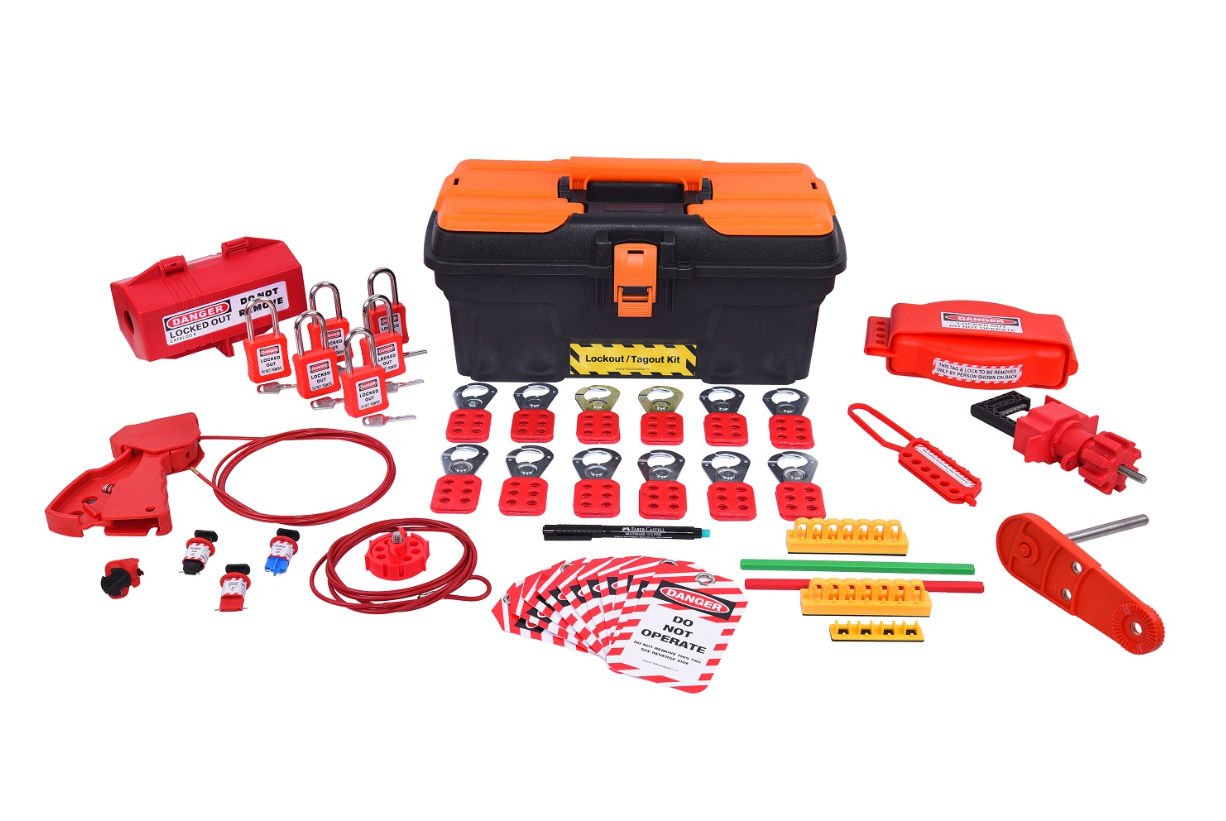
LOTO kits are used to isolate machinery during maintenance and repairs. They prevent accidental startup of equipment. Lockout–Tagout procedures protect workers from electrical and mechanical hazards. Kits include locks, tags, and devices for energy isolation. Widely used in industrial and manufacturing facilities. LOTO systems help reduce serious workplace accidents. They ensure compliance with safety regulations. Easy-to-identify tags improve communication. LOTO kits promote safe maintenance practices. Critical for equipment safety management.
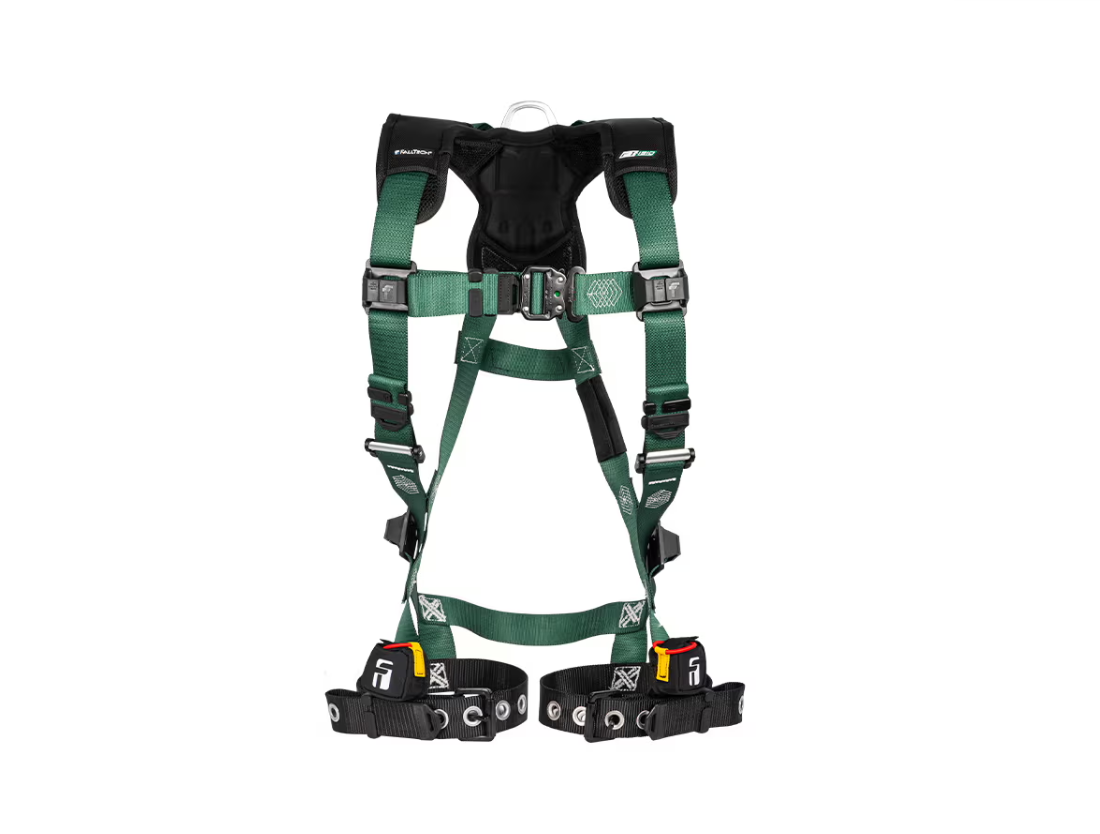
Safety harnesses protect workers from falls while working at heights. They distribute fall impact forces across the body. Commonly used in construction, maintenance, and tower work. Designed for comfort during long working hours. Adjustable straps ensure proper fit. Harnesses reduce the risk of serious injuries. Made from high-strength materials for durability. Compatible with other fall protection equipment. Mandatory for height safety compliance. A core element of fall protection systems.
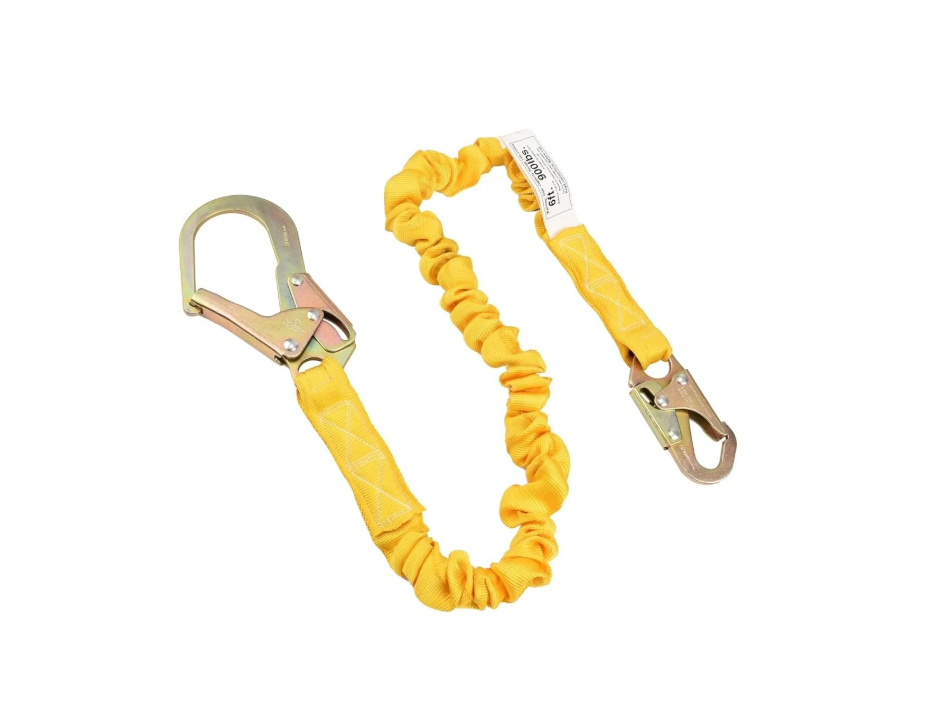
Lanyards connect safety harnesses to anchor points. They limit fall distance and absorb shock during a fall. Available in energy-absorbing and restraint types. Widely used in height-related work environments. Lanyards improve overall fall protection effectiveness. Durable construction ensures reliability. Proper selection enhances worker safety. Easy to use and inspect. Reduces injury risk during falls. Essential component of personal fall arrest systems.
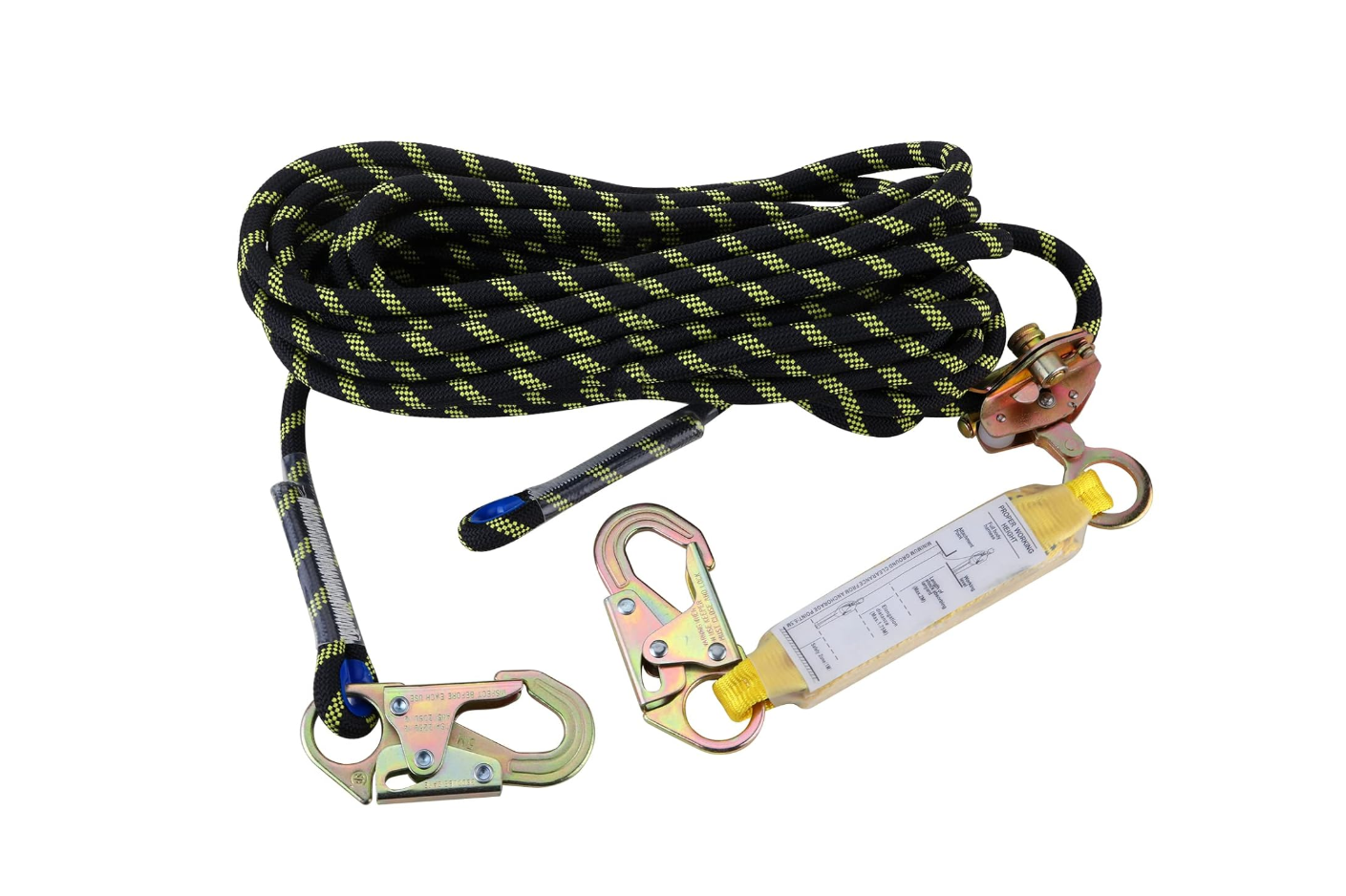
Lifelines provide continuous anchorage for workers at height. They allow safe movement along work areas. Used in roofing, scaffolding, and elevated platforms. Horizontal and vertical lifelines offer flexibility. Designed to withstand heavy loads. Lifelines enhance mobility without compromising safety. They reduce the risk of accidental falls. Suitable for multiple users. Essential for complex height work. A key fall protection solution.
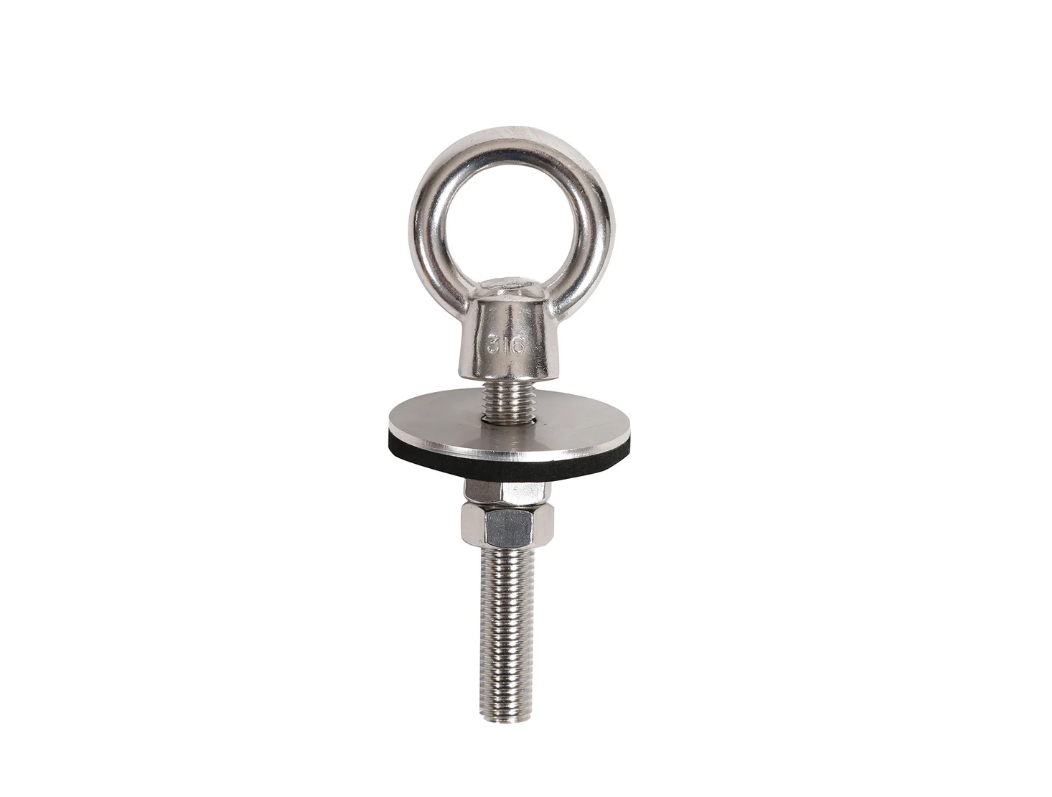
Anchor points serve as secure attachment points for fall protection systems. They support harnesses, lanyards, and lifelines. Properly installed anchor points ensure system reliability. Used on roofs, structures, and industrial installations. Designed to handle high load capacities. Fixed or temporary options available. Anchor points are critical for fall arrest systems. They ensure worker safety at heights. Must comply with safety standards. A fundamental element of fall protection setups.
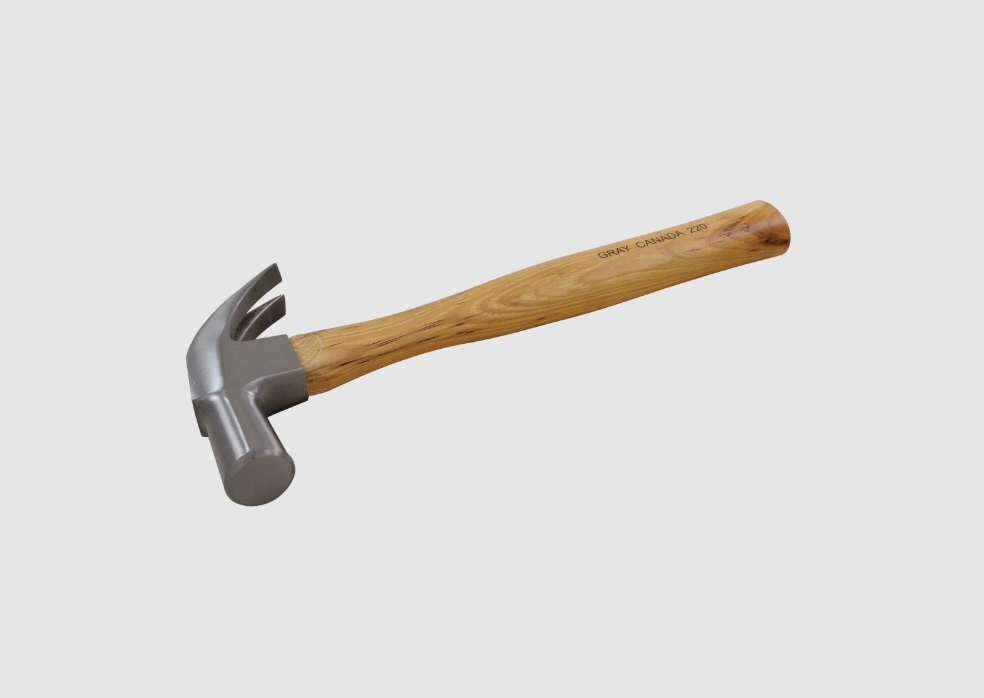
The quintessential tool for any toolkit, our hammer delivers powerful, controlled strikes for a variety of tasks. Forged from high-carbon steel, its securely mounted head ensures durability and impact resistance. The ergonomically designed fibreglass or steel handle provides a comfortable, non-slip grip while absorbing shock to reduce user fatigue. Perfect for driving nails, light demolition, or general assembly, this versatile hammer is a fundamental pillar of DIY projects and professional construction alike.
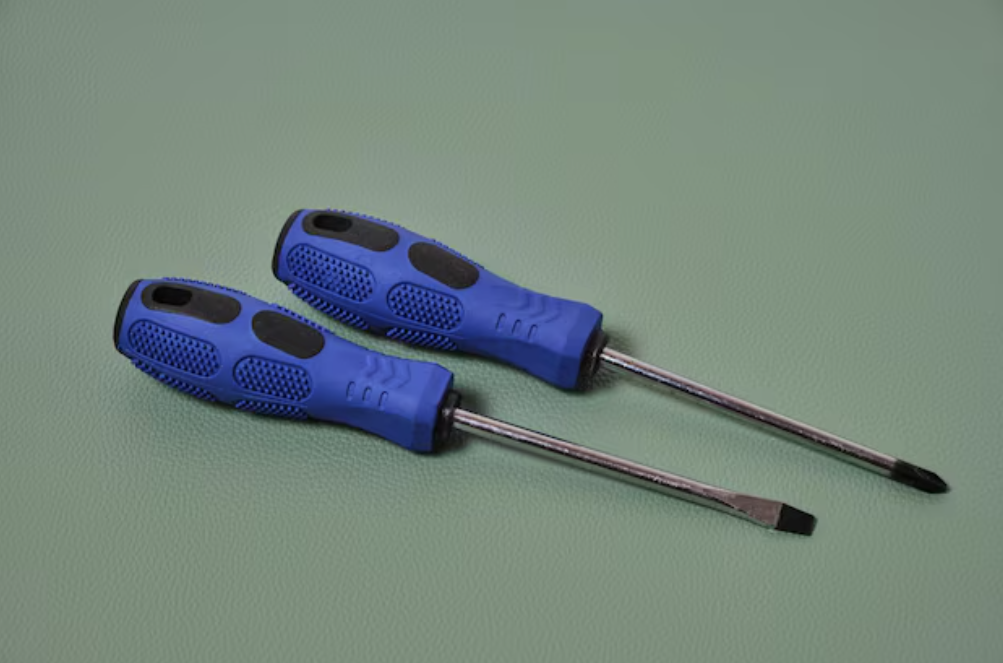
Our comprehensive screwdriver set offers precision and torque for every fastening need. The hardened chrome-vanadium steel tips are magnetised for secure screw retention and precisely machined to fit snugly into screw heads, preventing cam-out damage. With comfortable, textured rubberised handles that maximise grip and turning power, these tools are essential for electronics assembly, furniture construction, and general household repairs. A core set includes multiple sizes of both flat-head and Phillips-head drivers.
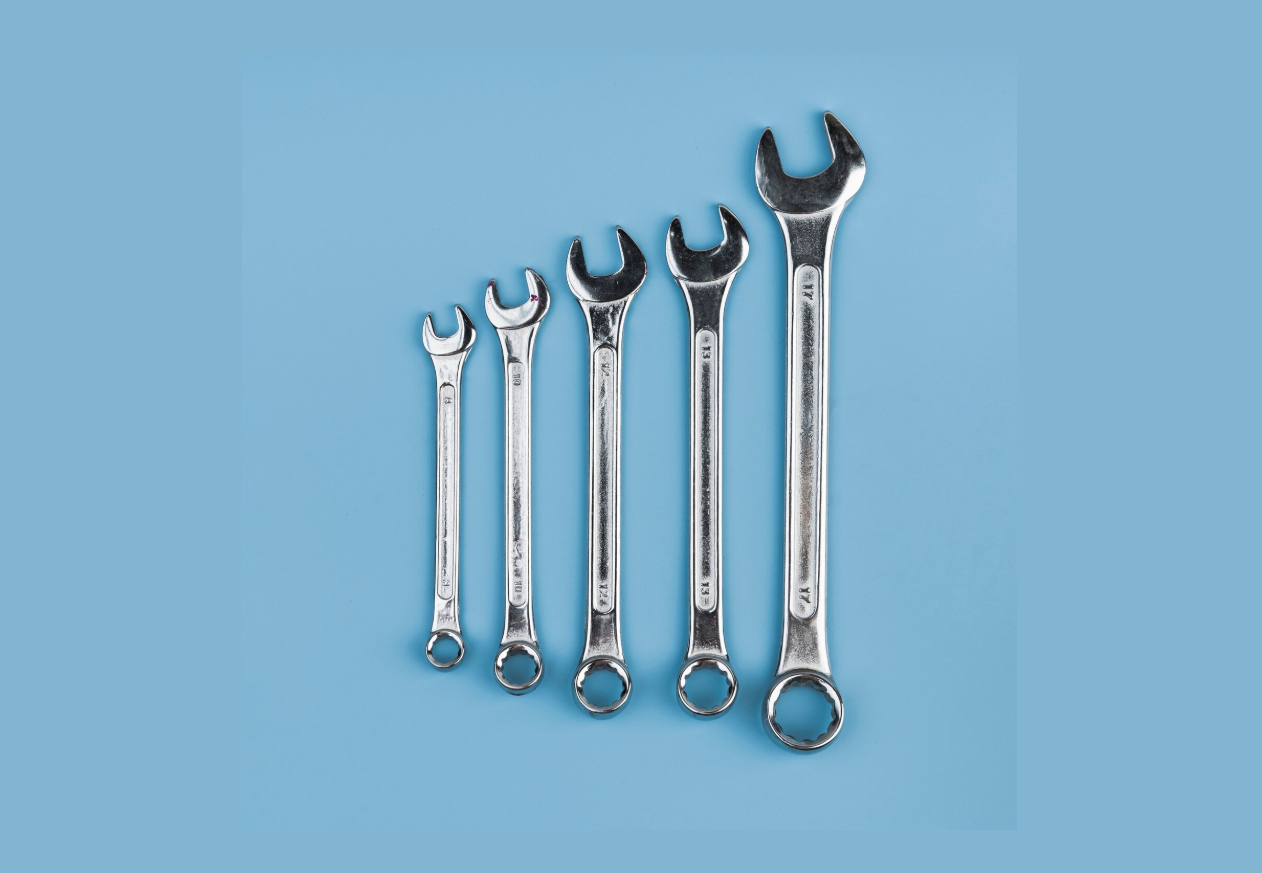
Engineered for robust bolting applications, our combination spanner set provides reliable torque in confined spaces. Crafted from drop-forged chrome steel, each spanner features a fixed-size open jaw on one end and a box ring on the other for superior grip on nuts and bolt heads. The precise sizing and angled heads allow for efficient turning in tight quarters. Ideal for automotive work, plumbing, and machinery maintenance, this set offers the strength and accuracy needed for secure fittings and assemblies.
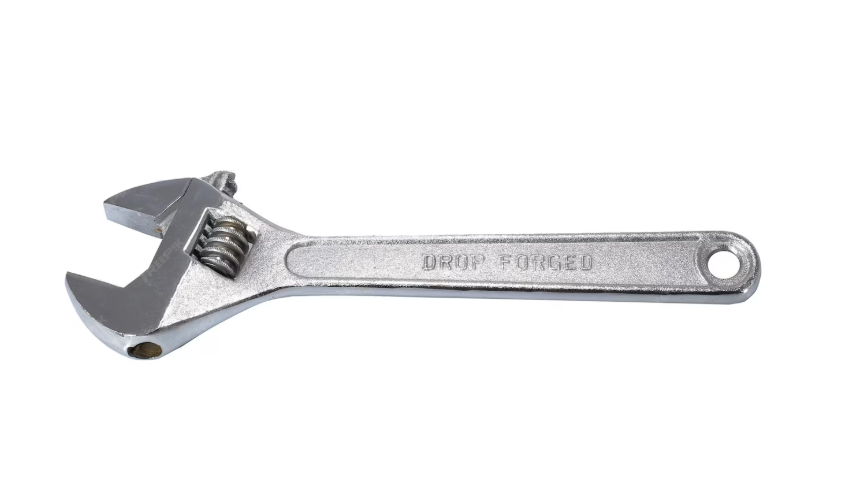
A model of versatile ingenuity, the adjustable wrench replaces multiple fixed-size tools. Its smooth-threading worm gear allows for quick, precise jaw adjustment to fit a wide range of nut and bolt sizes. The high-leverage handle and hardened steel jaws provide substantial torque without rounding fastener edges. An essential tool for plumbing, emergency repairs, or any situation where exact spanner sizes are unavailable, it ensures you're prepared for any fastener challenge.
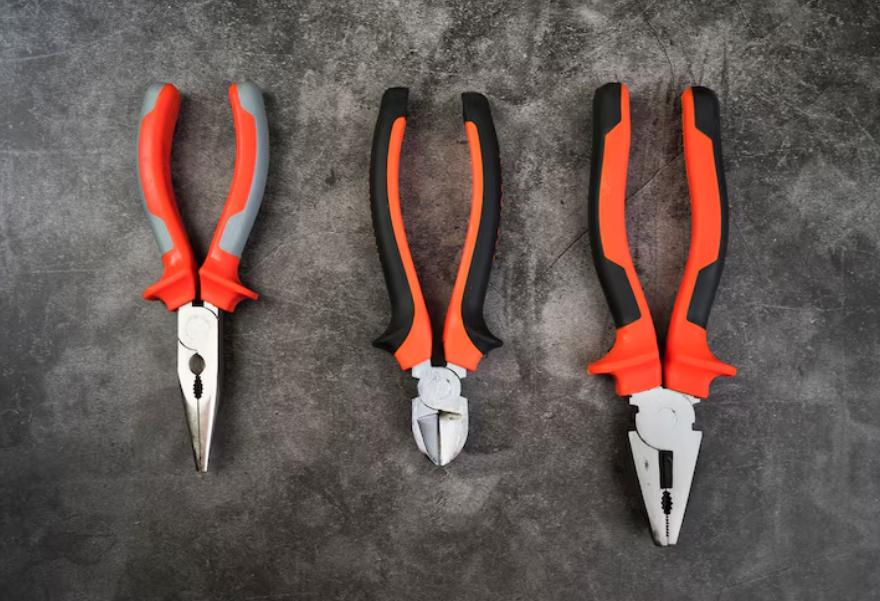
A versatile trio for gripping, bending, and cutting, our pliers set is indispensable. Combination pliers offer serrated jaws for a firm hold on objects, with a built-in wire cutter. Long-nose pliers provide excellent dexterity for reaching into tight spaces, shaping wire, and holding small components. Dedicated cutting pliers deliver clean, flush cuts on wires and cables. Forged from tempered steel with comfortable, insulated handles, they are vital for electrical work, jewellery making, and intricate mechanical tasks.
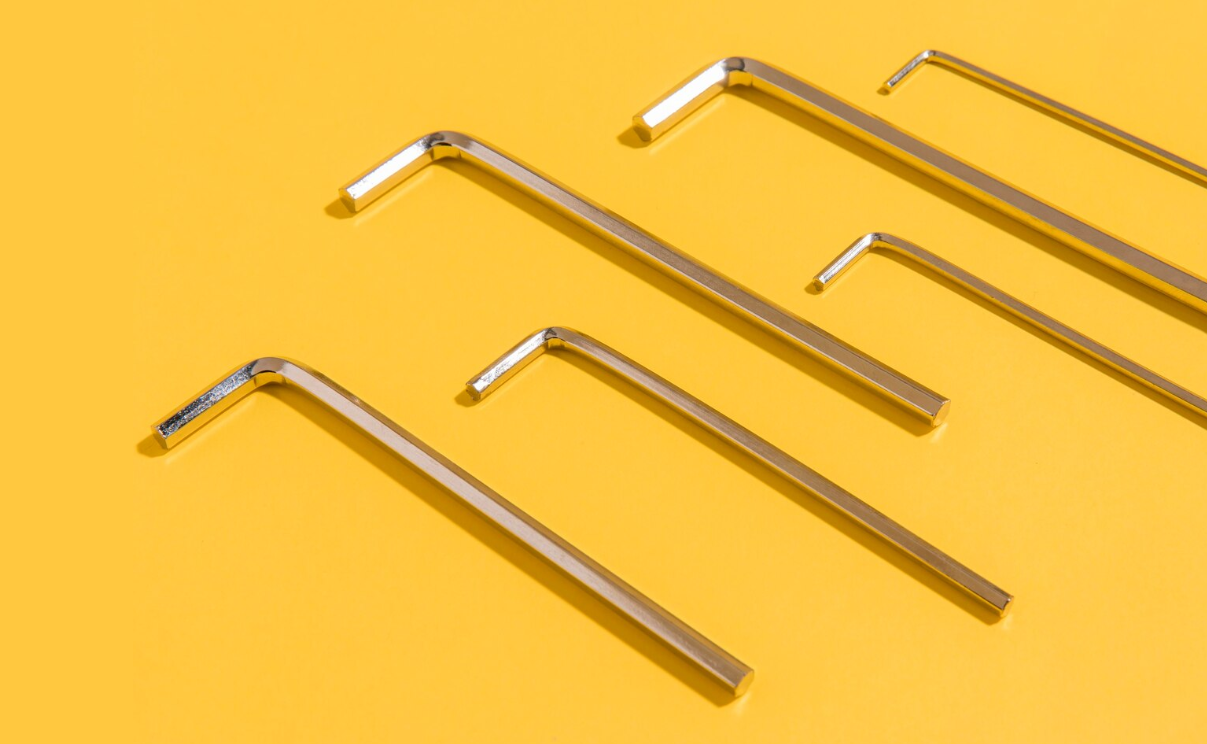
Designed for recessed socket screws commonly found in furniture and machinery, our Allen key sets provide secure, slip-free engagement. Made from hardened tool steel with a precise hexagonal profile, these L-shaped keys offer superior torque transfer. Available in both metric and imperial sizes, the set often comes on a compact, organised fold-out holder. Their simple, effective design makes them the go-to tool for assembling flat-pack furniture, bicycle maintenance, and adjusting appliances.

The foundation of accurate work, our retractable measuring tape ensures precision in every project. Featuring a durable, curved steel blade with clear, double-sided markings in both metric and imperial units, it remains rigid for extended measurements before locking securely. The high-impact casing houses a reliable spring-retraction mechanism and includes a belt clip for portability. With its hooked end for anchoring, this tool is critical for carpentry, interior design, and any task where exact dimensions are paramount.

A master of precision cutting, our utility knife is designed for safety and efficiency. It features a retractable blade mechanism that protects the sharp, replaceable steel blade when not in use. The textured, ergonomic handle ensures control for scoring, trimming, or cutting materials like cardboard, vinyl, carpet, and drywall. With a built-in blade storage compartment and easy snap-off sections for a fresh edge, it is an essential tool for packaging, crafting, and construction tasks.
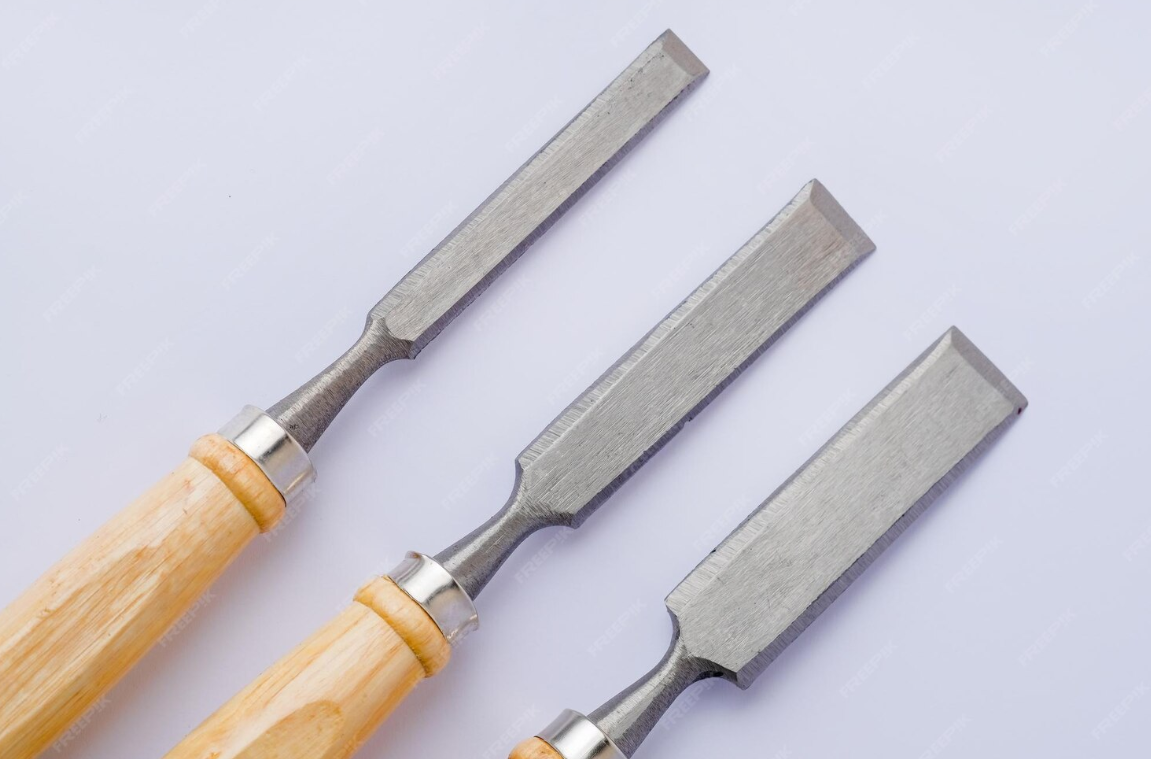
For fine woodworking and shaping, our chisels are honed to a sharp, durable edge. Crafted from high-grade tool steel with hardened and tempered blades, they maintain their sharpness through rigorous use. The sturdy timber or composite handles are designed to withstand mallet strikes for heavy-duty paring and mortising. Available in a range of widths, they are perfect for carving joints, trimming excess material, or detailed sculpting in wood, making them a cornerstone of cabinetry and carpentry.
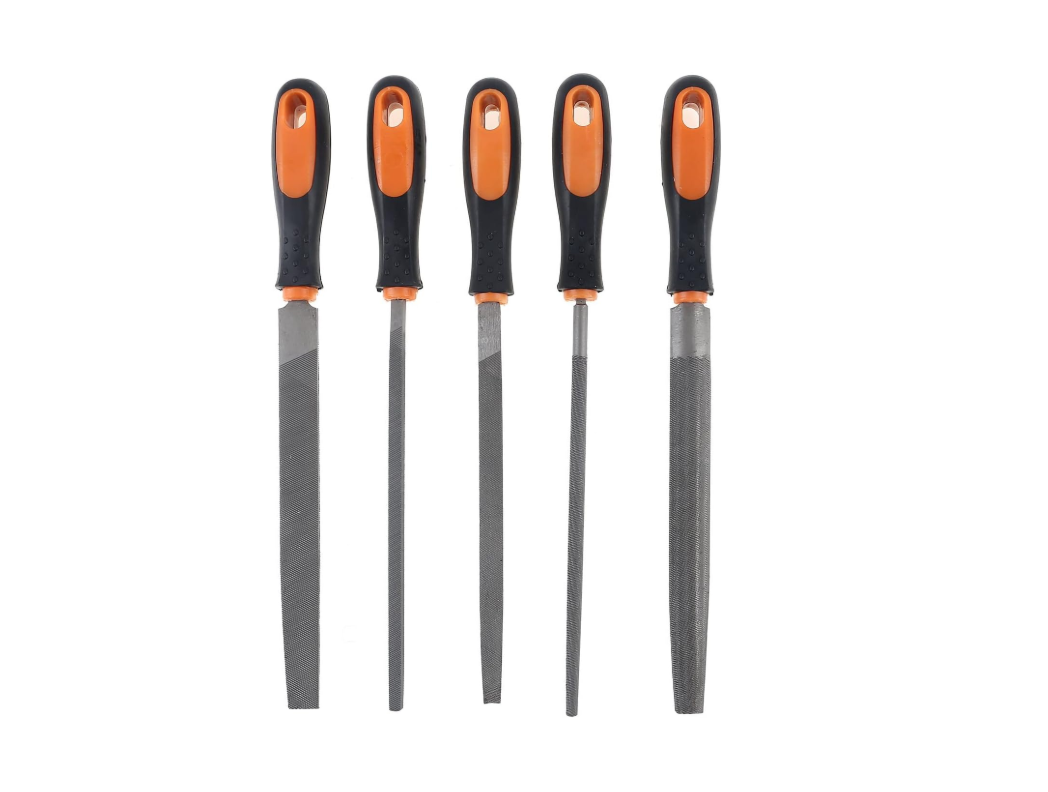
Essential for smoothing, shaping, and deburring metal, wood, or plastic, our file set covers a spectrum of coarseness. Each file is made from high-carbon steel with precisely cut, hardened teeth arranged in specific patterns—single-cut for smoothing and double-cut for rapid material removal. Fitted with comfortable, secure handles, they allow for controlled, directional filing to achieve a perfect finish. Indispensable for metalworking, tool sharpening, and fine-tuning mechanical parts.
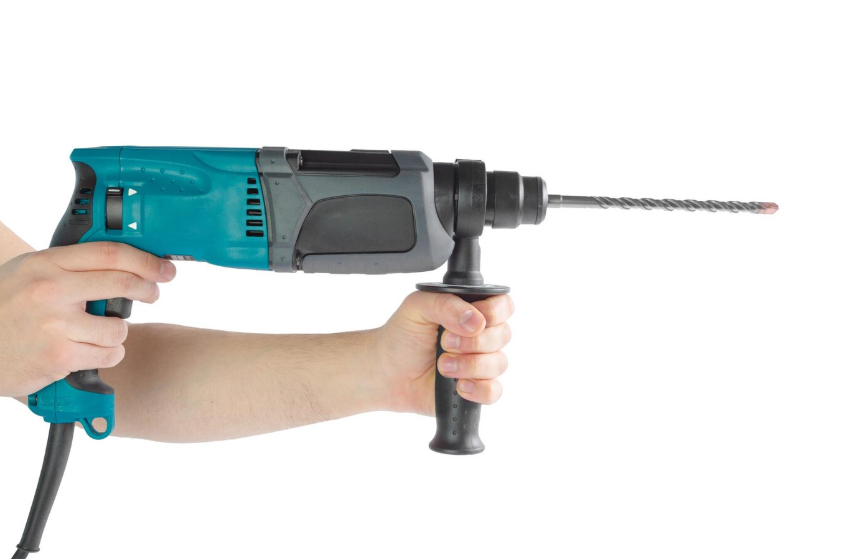
The cornerstone of any power tool collection, our electric drill delivers versatile power for a multitude of tasks. Powered by a robust motor with variable speed control and a reversible function, it handles everything from drilling precise holes in wood, metal, and plastic to driving screws with ease. Featuring a keyless chuck for quick bit changes and an ergonomic, anti-slip grip, this drill is engineered for comfort during extended use. Whether for DIY projects or professional construction, it provides reliable performance for drilling and fastening applications.
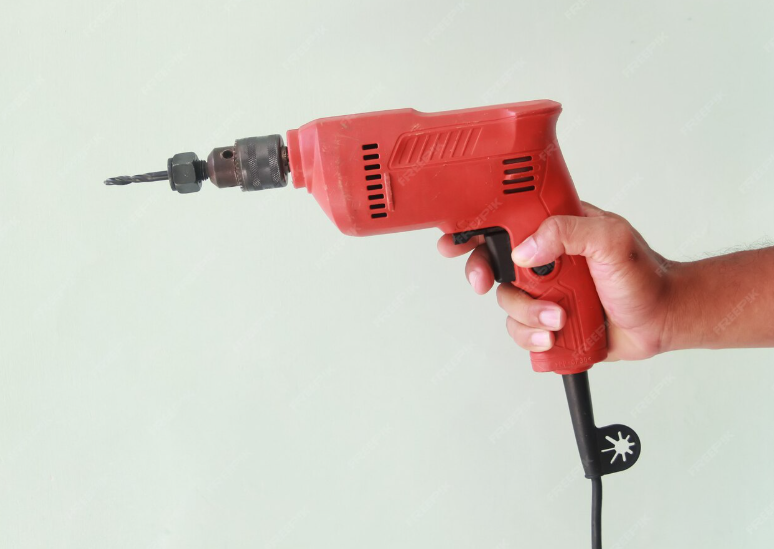
Engineered for high-torque applications, the impact driver excels where standard drills struggle. Utilizing a combination of rotational force and concussive blows, it delivers exceptional power to drive long screws and loosen stubborn bolts without straining the user's wrist. Its compact, lightweight design and hex collet allow for quick one-handed bit changes and access to tight spaces. An essential tool for deck building, framing, and automotive work, it is the ultimate solution for heavy-duty fastening and assembly tasks.
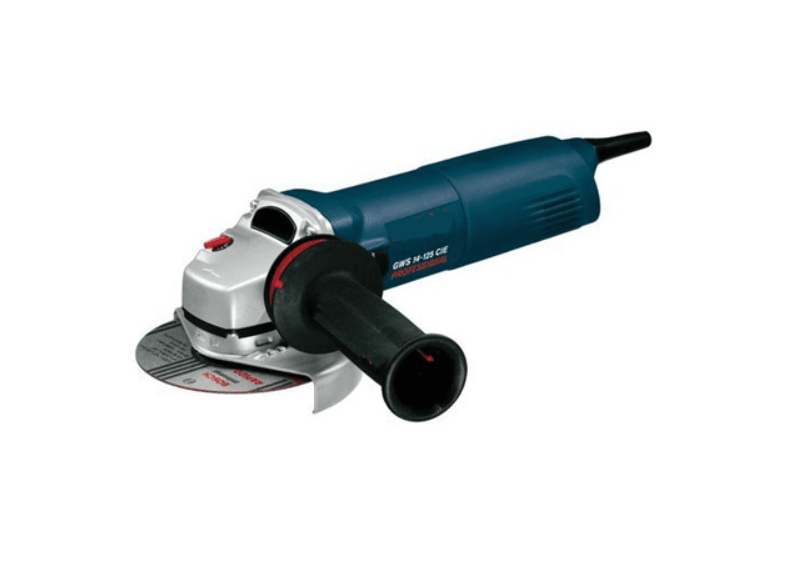
A powerhouse for cutting, grinding, and polishing, the angle grinder is unmatched in its versatility. Driven by a high-RPM motor, it accommodates a wide array of interchangeable discs for tackling metal, stone, tile, and concrete. Features include a safety guard, adjustable side handle, and spindle lock for easy disc changes. Its aggressive power makes it ideal for metal fabrication, weld cleaning, tile removal, and sharpening tools, providing both precision and brute force in a compact, handheld unit.
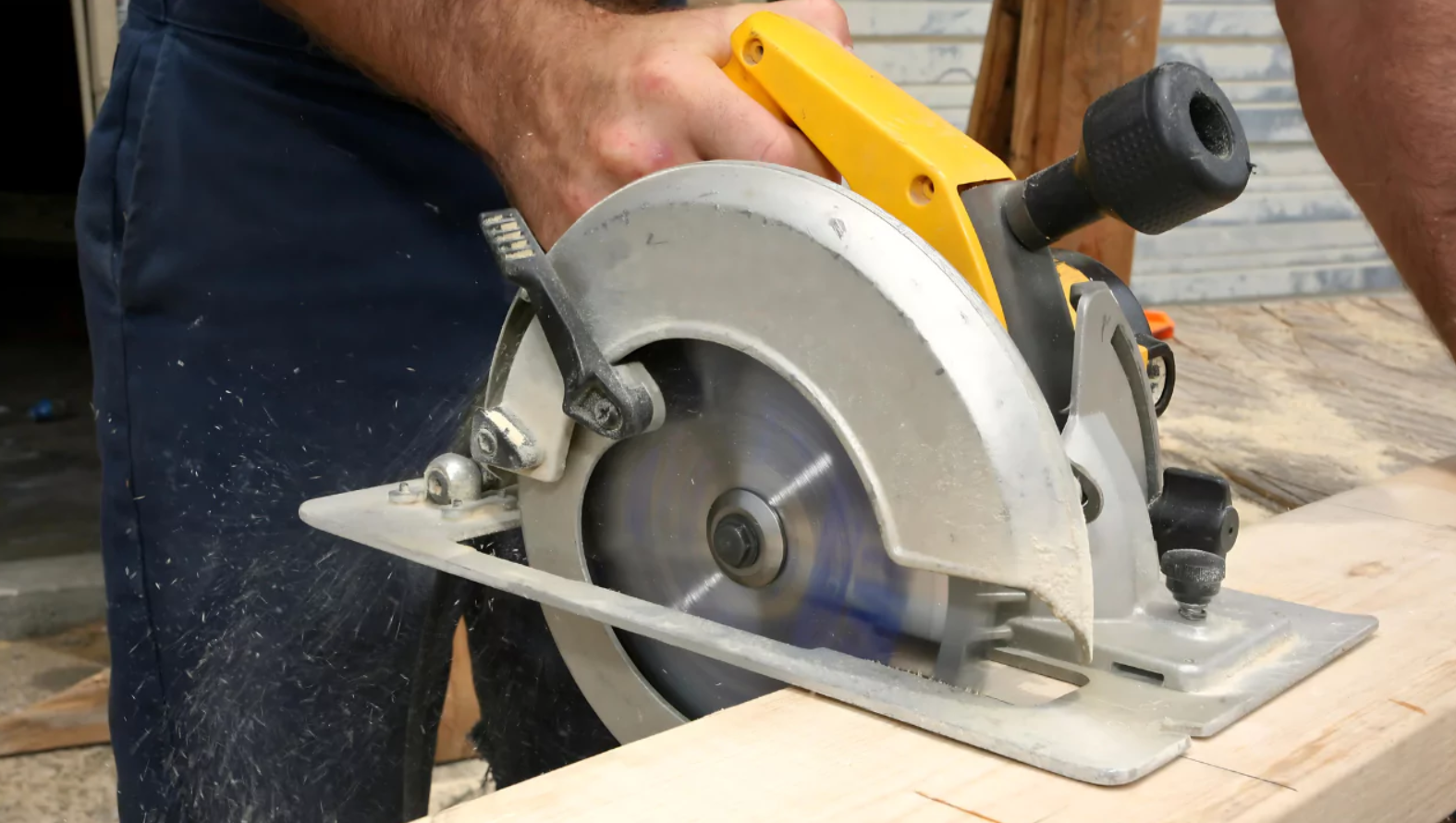
Designed for making fast, straight, and accurate cuts in lumber and sheet materials, the circular saw is a jobsite essential. Its high-torque motor spins a carbide-tipped blade to effortlessly rip through plywood, dimensional timber, and composites. With an adjustable base plate for setting cutting depth and bevel angles, along with a clear line-of-sight guide, it ensures clean, controlled cuts every time. An indispensable tool for framing, flooring, and general carpentry, it brings workshop precision to any location.
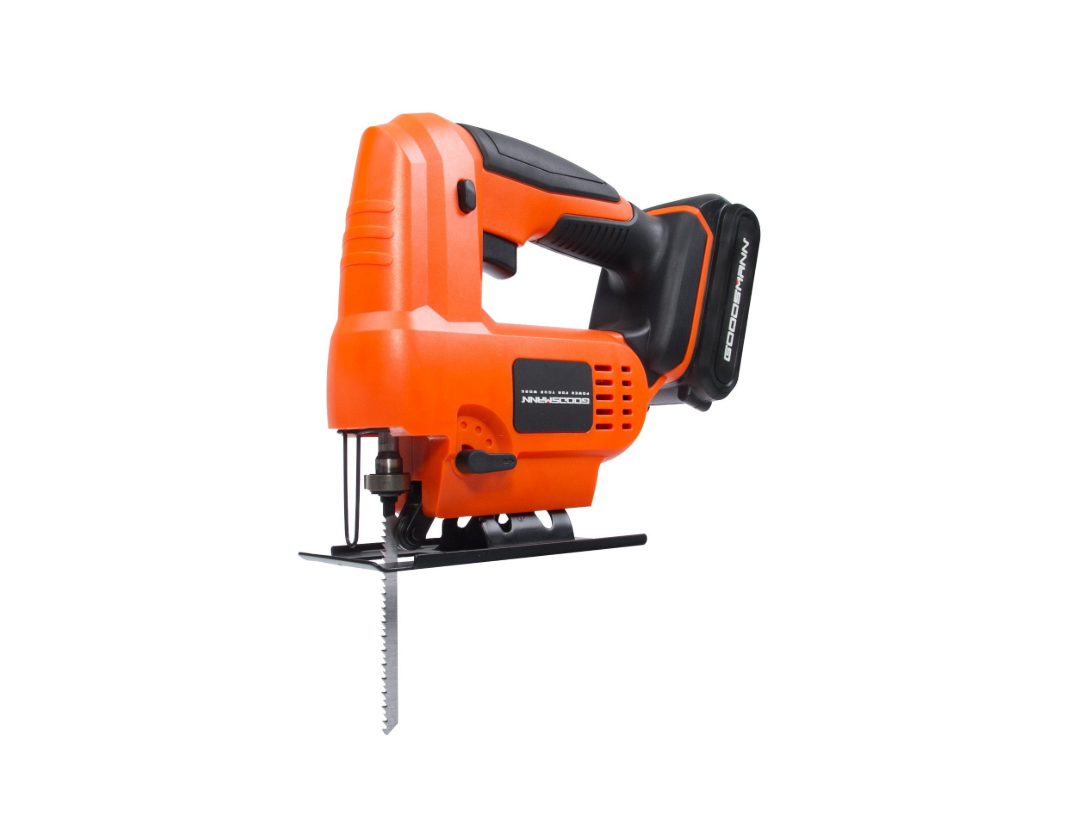
The master of curved and intricate cuts, the jigsaw offers unparalleled cutting freedom. Its reciprocating blade moves in a rapid up-and-down motion, allowing it to navigate tight curves, circles, and complex patterns in wood, metal, and plastic. Features like variable speed control, orbital action for faster cutting, and a tool-free blade change system make it incredibly user-friendly. Perfect for cutting sink openings in countertops, shaping furniture, or crafting decorative pieces, it is the go-to tool for detailed scrollwork.
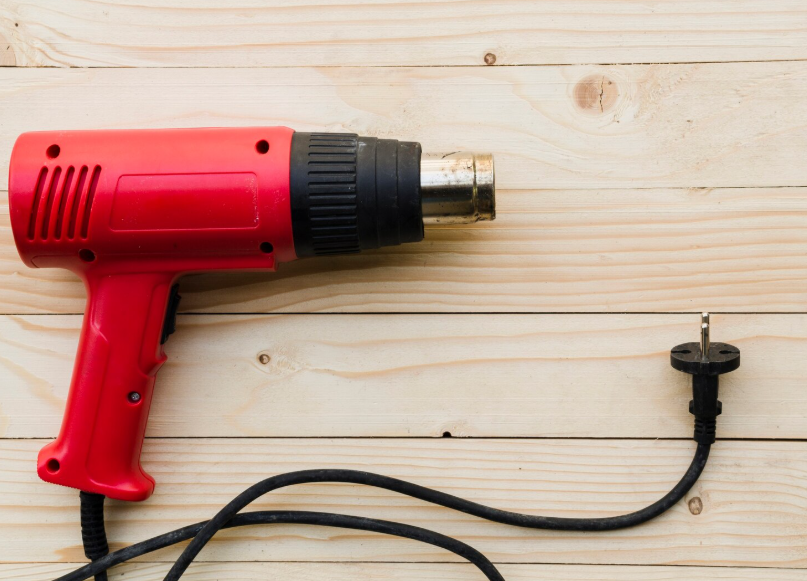
A versatile tool for applying controlled, concentrated heat, the heat gun is essential for stripping paint, shrinking tubing, and thawing pipes. Unlike an open flame, it provides a safe, adjustable stream of hot air via variable temperature and airflow settings. Its lightweight, pistol-grip design ensures comfortable, precise handling for tasks like loosening adhesives, bending plastic, or activating heat-shrink connectors. A must-have for refinishing, electronics work, and countless creative applications.
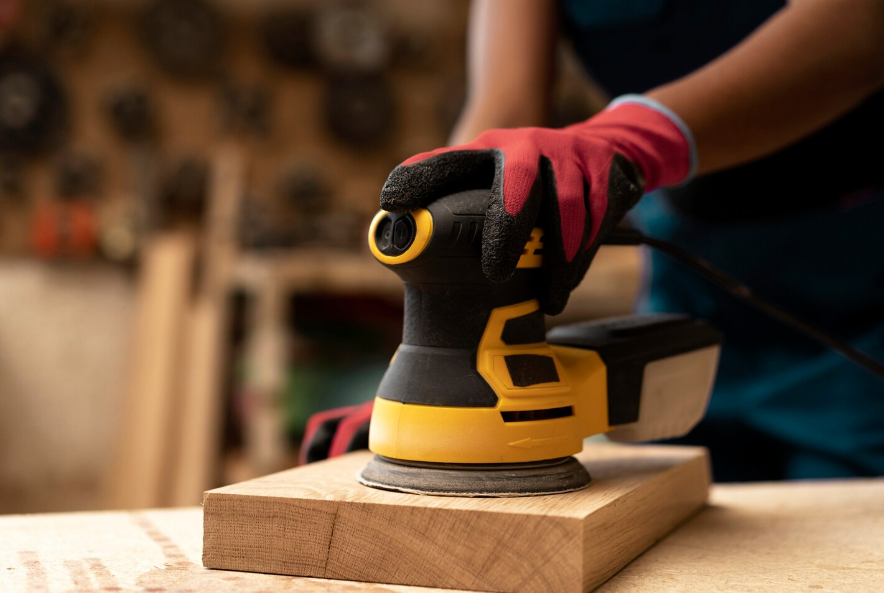
Achieving a smooth, flawless finish is effortless with our power sander. Utilizing a rapid orbital or sheet-sanding motion, it eliminates surface imperfections without leaving swirl marks. Equipped with a dust extraction port for a cleaner work environment and variable speed control for different materials, it ensures efficient material removal and a professional-grade finish. Ideal for preparing wood for staining, smoothing drywall compound, or refinishing furniture, it saves hours of manual sanding effort.
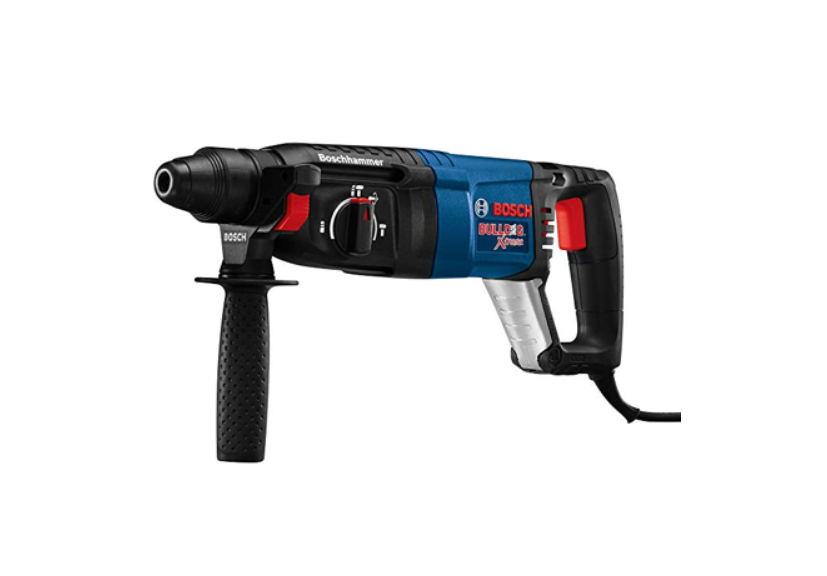
Built for demanding masonry work, the rotary hammer combines hammering and rotation to conquer concrete, brick, and stone. Its electro-pneumatic hammer mechanism delivers powerful, chisel-like blows for drilling anchor holes and light chiselling tasks. With multiple operating modes (drill, hammer drill, and hammer-only), an SDS-plus chuck for secure bit retention, and an anti-vibration handle, it tackles the toughest jobs with reduced user fatigue. Essential for construction, anchoring, and renovation projects.
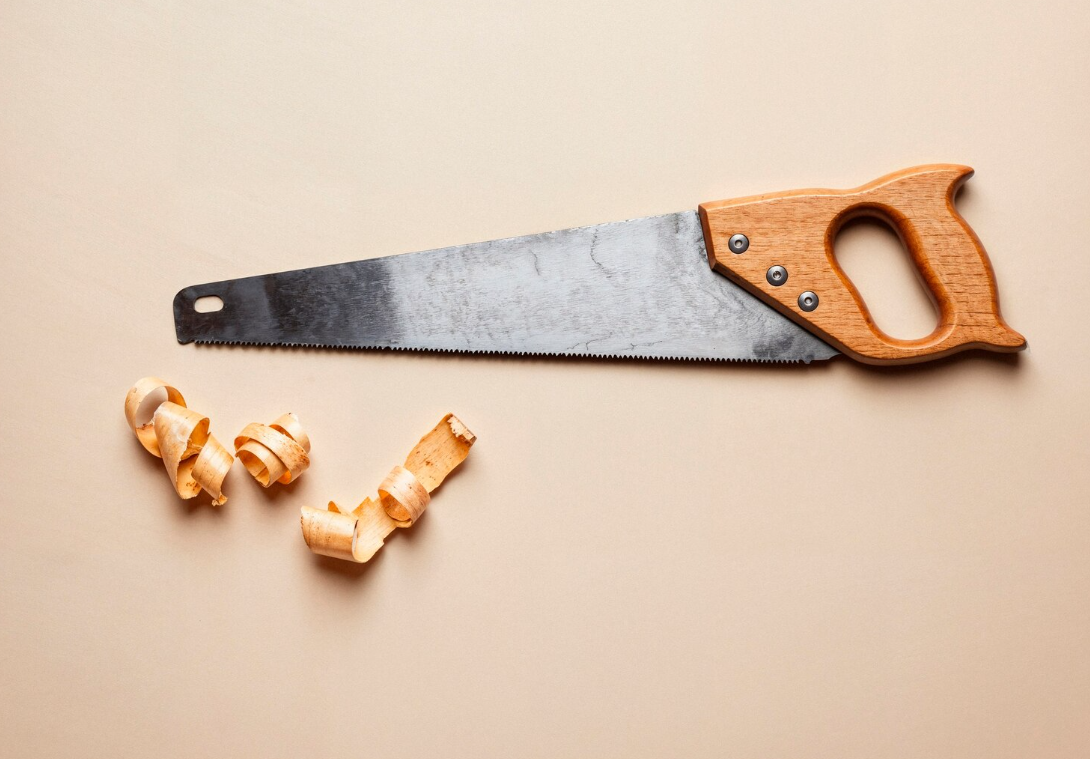
A fundamental tool for cutting metal, plastic, and pipe, the hacksaw offers precise, controlled cutting power. Its sturdy, adjustable steel frame tensions a narrow, replaceable blade to ensure straight, clean cuts. The ergonomic pistol-grip handle provides excellent control and leverage. Perfect for cutting conduit, bolts, and hardware, this manually powered saw is a reliable, portable solution for plumbing, metalworking, and general maintenance where power tools are impractical.
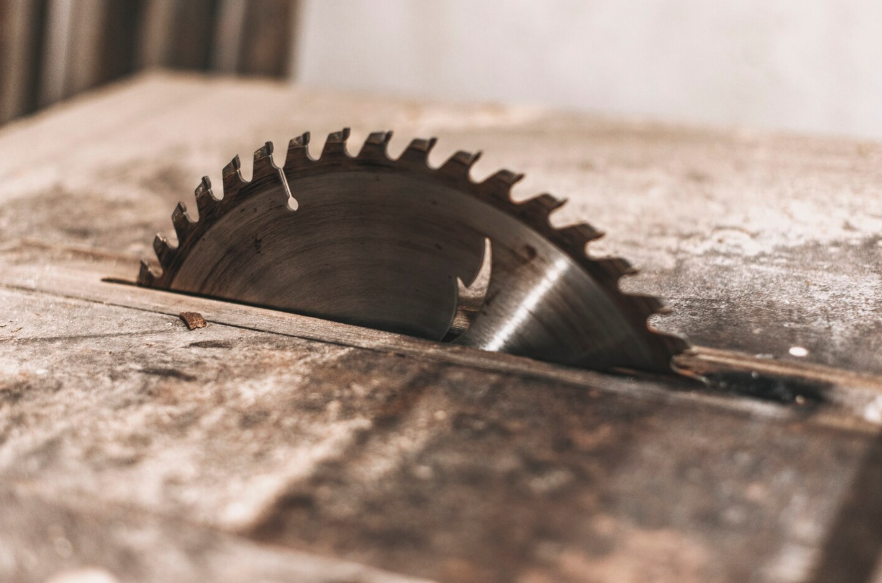
Engineered for durability and speed, our bi-metal reciprocating saw blades are designed to tackle tough metal cutting jobs. Featuring a flexible high-speed steel cutting edge welded to a resilient alloy steel back, they withstand the rigors of cutting nails, sheet metal, pipes, and bolts. Available in various tooth configurations for different materials and thicknesses, these blades deliver aggressive cutting action and long life in both handheld reciprocating saws and portable bandsaws.
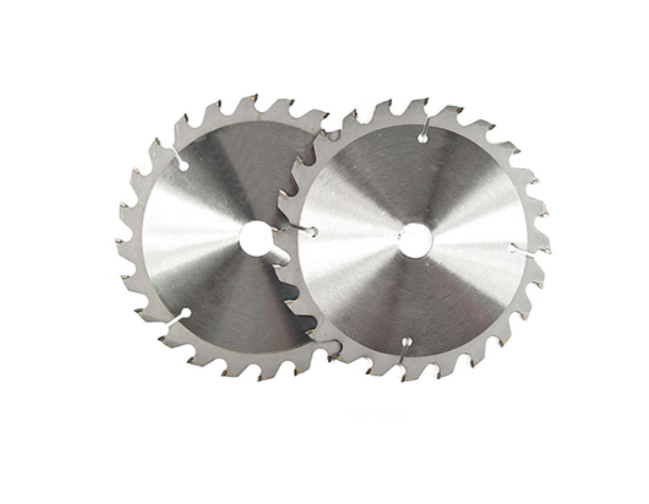
Optimized for clean, fast cuts in timber and wood composites, our circular saw blades are crafted for peak performance. With carbide-tipped teeth that stay sharp longer and specialized tooth geometries for ripping or crosscutting, they produce smooth, splinter-free edges. Designed for use with circular saws, miter saws, and table saws, these blades are essential for framing, finish carpentry, and cabinetry, ensuring efficient material handling and professional results.
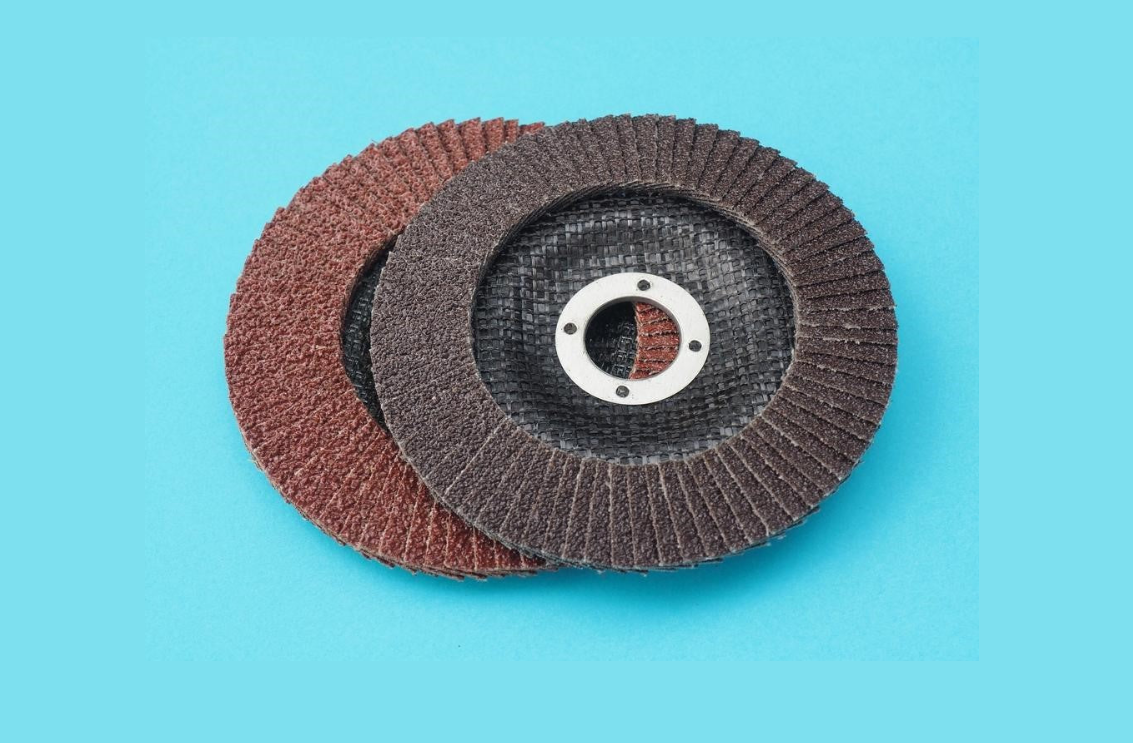
Our reinforced abrasive grinding wheels are built for aggressive material removal, shaping, and edge preparation on angle grinders. Made from aluminum oxide or silicon carbide grains bonded with reinforced fiberglass mesh, they offer high durability and safety during high-speed operation. Ideal for grinding down welds, smoothing rough metal edges, and sharpening tools, these wheels are a consumable staple in metal fabrication, construction, and workshop maintenance.
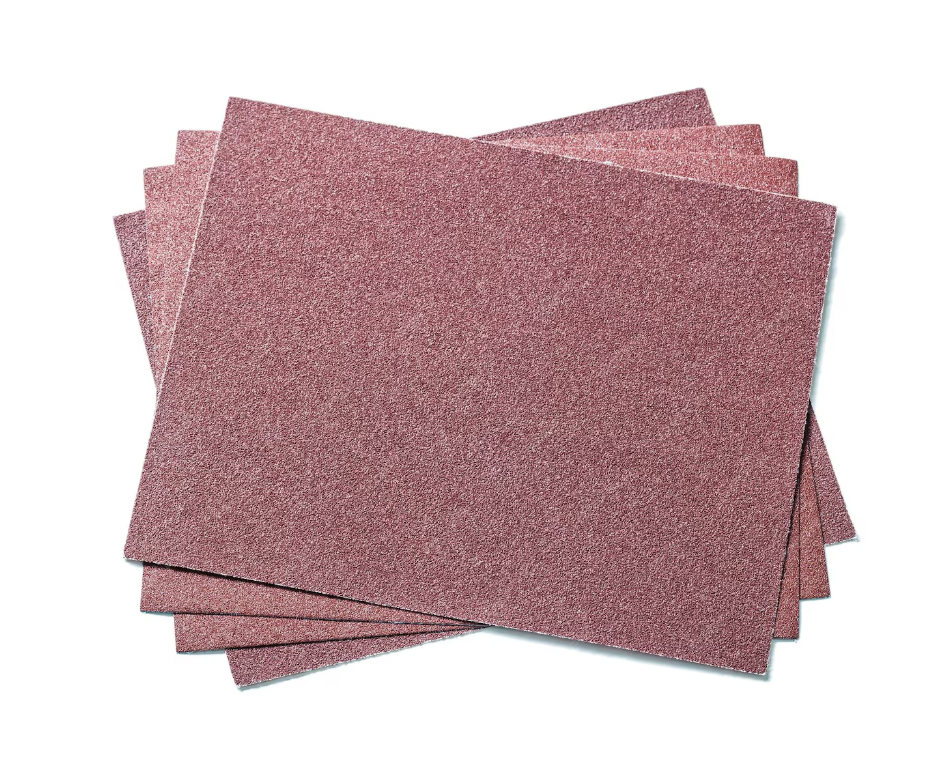
The final touch for any project, our sandpaper sheets and rolls provide a range of abrasives for smoothing and finishing surfaces. Available in grits from coarse to ultra-fine, and backed with durable paper or cloth, they are designed for hand sanding or use with power sanders. Whether preparing wood for a fine finish, smoothing drywall joints, or polishing metal between coats of paint, high-quality sandpaper is indispensable for achieving a professional, ready-to-finish surface.
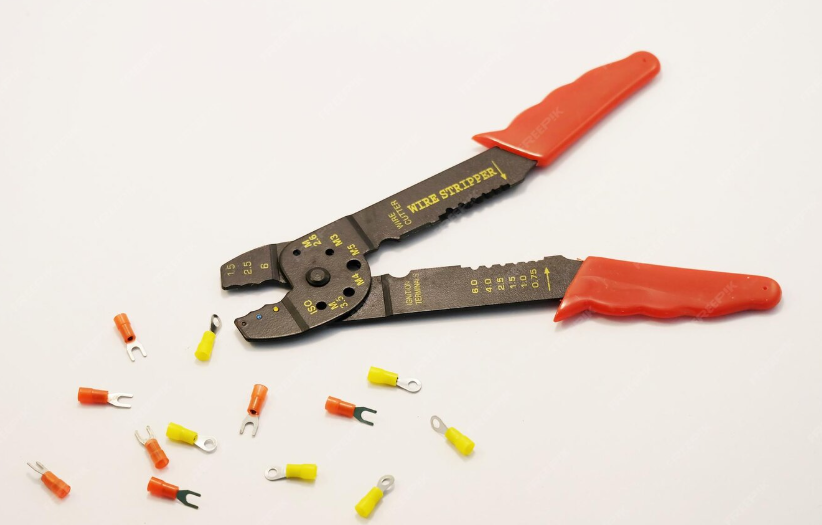
Engineered for precision and safety, our wire stripper cleanly removes insulation without nicking the delicate copper conductor underneath. Featuring multiple calibrated notches for common wire gauges, it ensures a perfect strip every time, preserving conductivity and wire integrity. The ergonomic, cushioned handles provide comfort and leverage, while the built-in cutting jaws and bolt loops add functionality. An indispensable tool for any electrical installation, repair, or DIY project, it guarantees efficient and professional terminations.
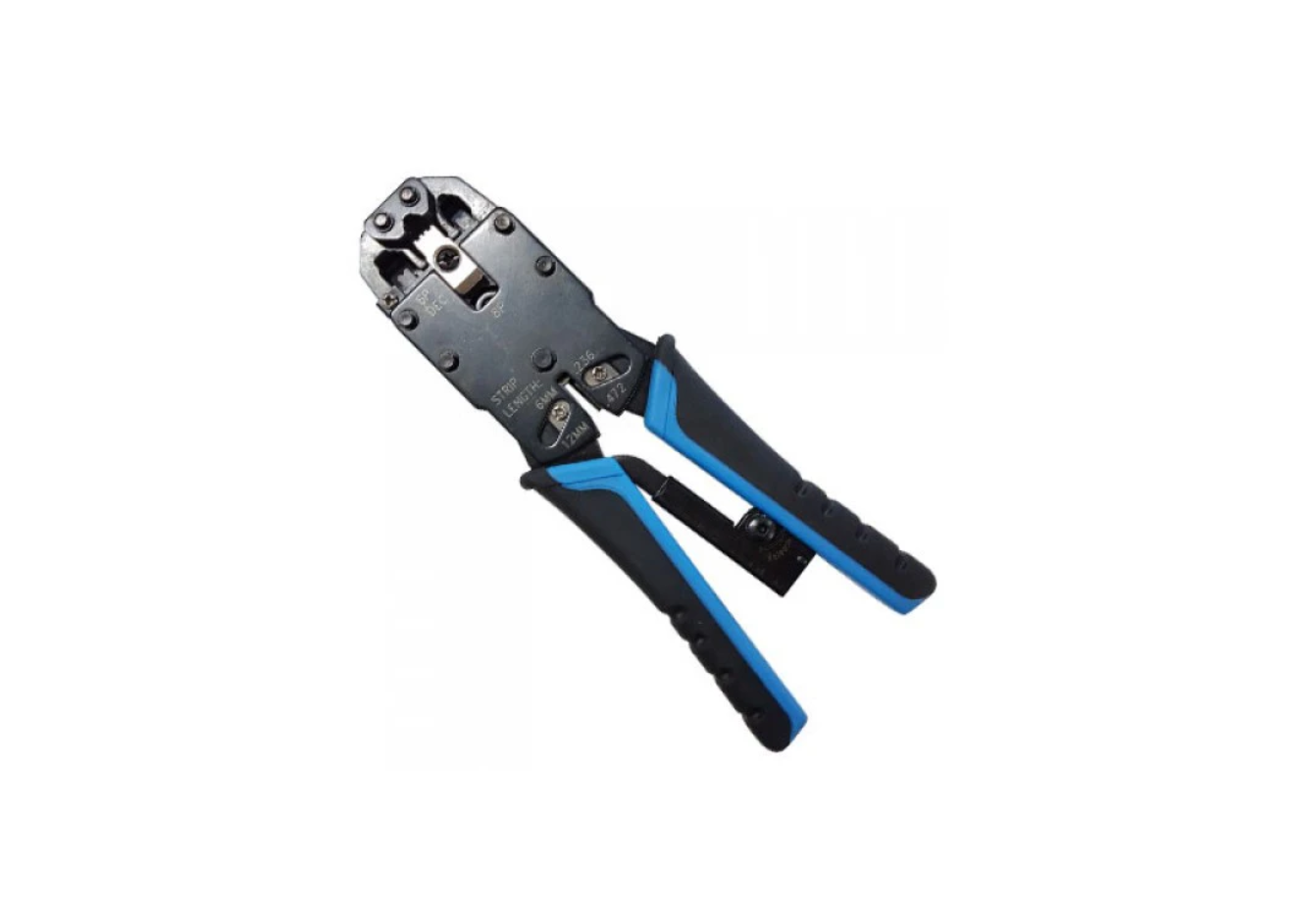
Designed to create secure, gas-tight connections in electrical terminals and connectors, our crimping tool is vital for reliable circuits. Its compound leverage action ensures a full, firm crimp that prevents wires from pulling loose. Interchangeable dies accommodate a wide range of insulated and non-insulated terminals, from spade connectors to coaxial fittings. Perfect for automotive wiring, network cables, and control panels, this tool creates durable, low-resistance connections that are essential for safety and performance.
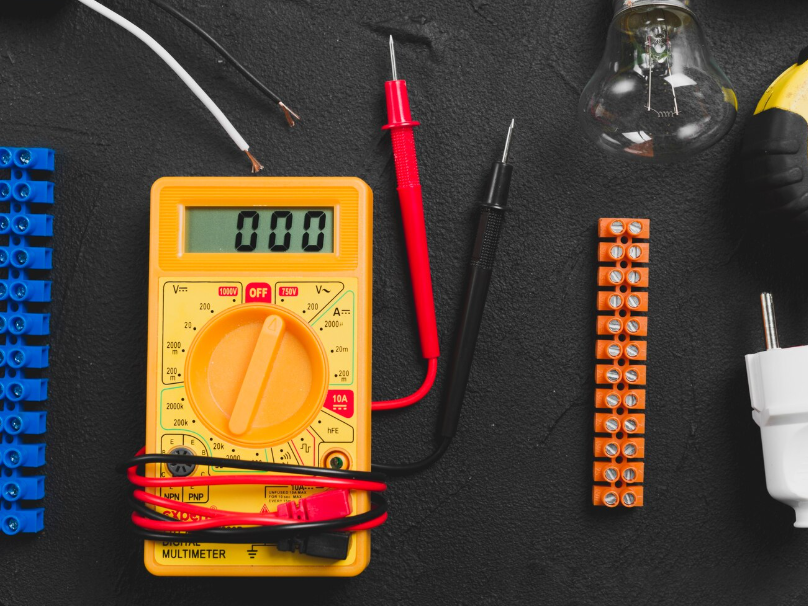
A fundamental safety device for any electrician or homeowner, our voltage tester quickly and reliably confirms the presence of AC voltage. Its non-contact design allows for safe detection of live wires through insulation, with audible and visual alerts. For direct testing, it features probe tips and a simple light-up indicator. This pocket-sized tool is the critical first step before any electrical work, helping to prevent accidental shock by identifying energized circuits in outlets, switches, and fixtures.
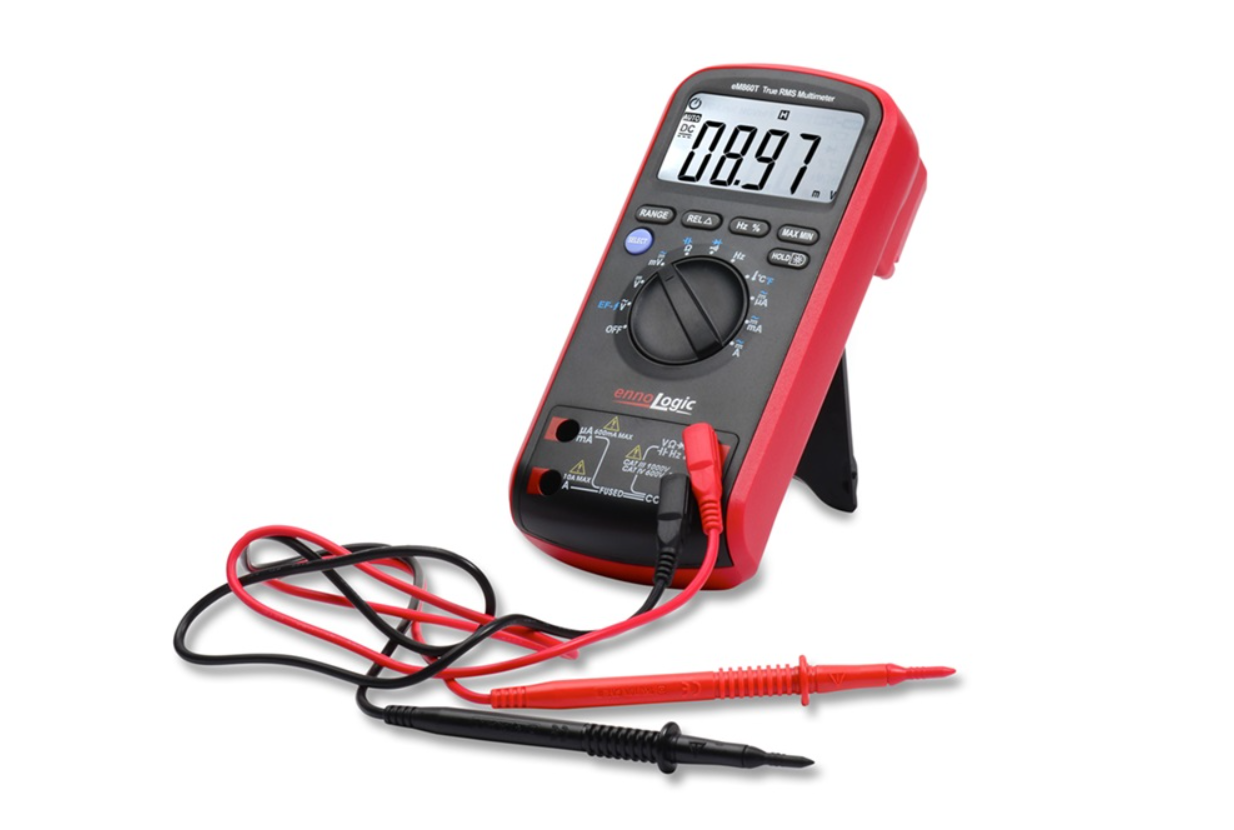
The diagnostic powerhouse of electrical work, our digital multimeter is an all-in-one testing instrument. It accurately measures voltage (AC/DC), current, resistance, continuity, and often capacitance or frequency. With a clear digital display, auto-ranging functionality, and protective overload safeguards, it is suitable for troubleshooting intricate electronics, automotive systems, and household circuits. Whether diagnosing a faulty appliance or designing a circuit, this versatile tool provides the quantitative data needed for informed decisions.
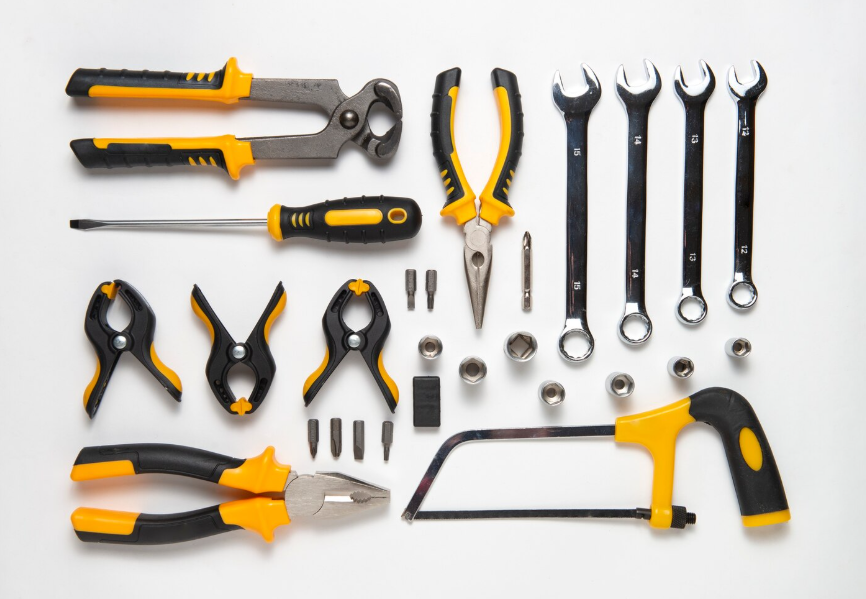
Safety is paramount when working with live electricity, and our fully insulated hand tool set provides certified protection. Each screwdriver, spanner, and plier is coated with durable, multi-layer insulation that meets international safety standards (e.g., VDE 1000V) to protect against electrical shock up to a specified voltage. The high-quality steel cores ensure robust performance while the bright orange or yellow insulation offers high visibility. This set is non-negotiable for professional electricians and any work near energized components.
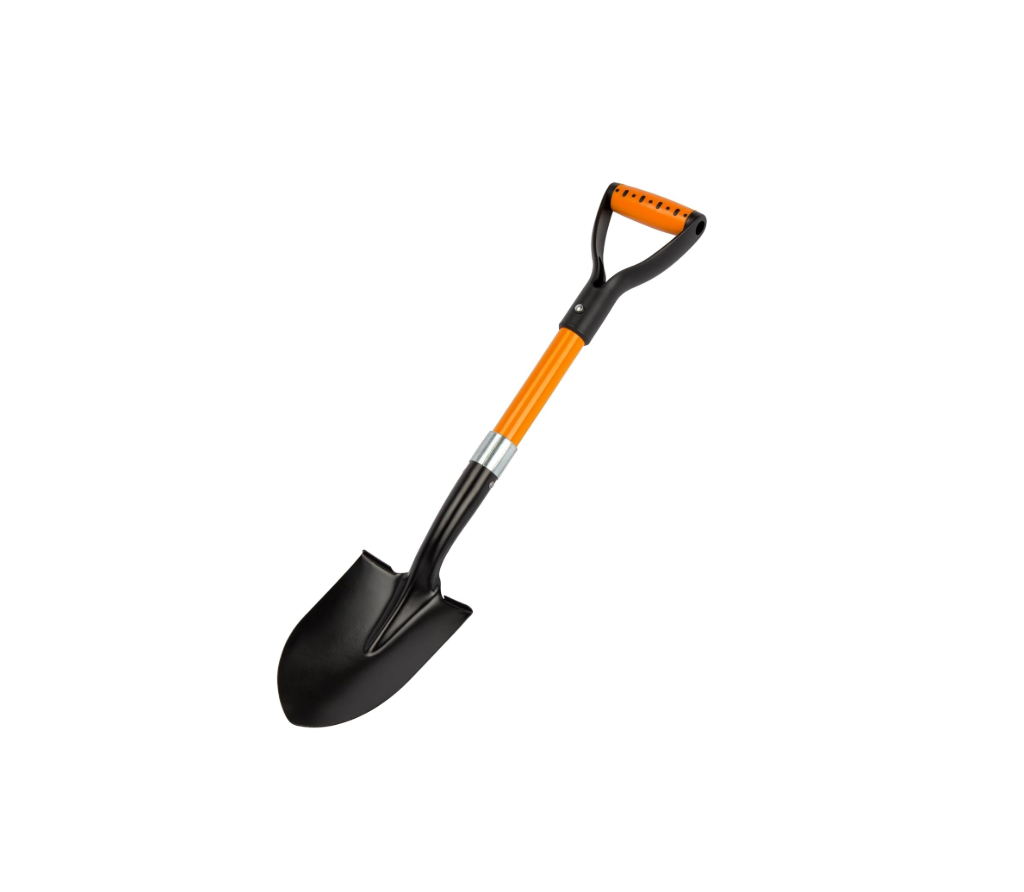
A fundamental tool for excavation and material handling, our shovel is built for durability and efficiency. The blade, crafted from hardened steel with a rolled step for foot pressure, is designed for digging, lifting, and moving soil, gravel, or sand. Available with a square point for cutting and a round point for digging, it features a sturdy D- or T-handle on a solid ash or fibreglass shaft. Essential for landscaping, gardening, and construction site preparation, it is the first tool in the ground for any earth-moving task.
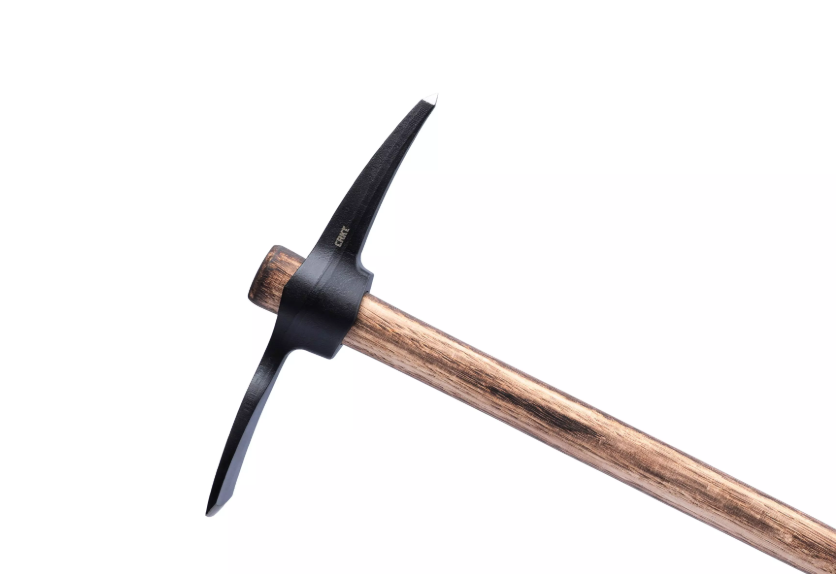
The breaker of hard ground, our pickaxe delivers concentrated impact force to penetrate compacted soil, clay, and rock. Its forged steel head features a sharp point on one end for fracturing and a flat chisel-like blade on the other for prying and breaking. Mounted on a long, straight-grained hickory handle for swing leverage, it is indispensable for trenching through rocky terrain, breaking up concrete, and initial site excavation where sheer manual force is required.
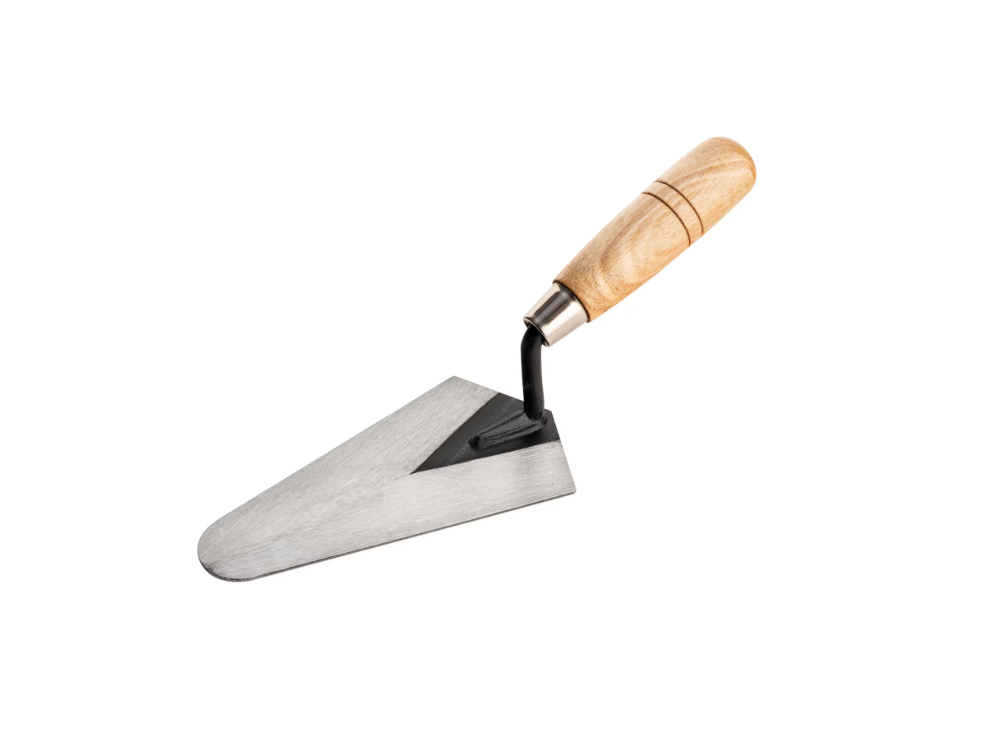
The artisan's tool for masonry and plastering, our trowel enables precise application and smoothing of mortar, concrete, and plaster. The polished, flexible carbon steel blade is designed to hold and spread material with control, featuring a pointed or rectangular shape for different trades. The ergonomic handle, often wood or polymer, fits comfortably in the hand for detailed work. Critical for bricklaying, laying tile, and finishing concrete surfaces, it is the key to achieving a smooth, professional finish.
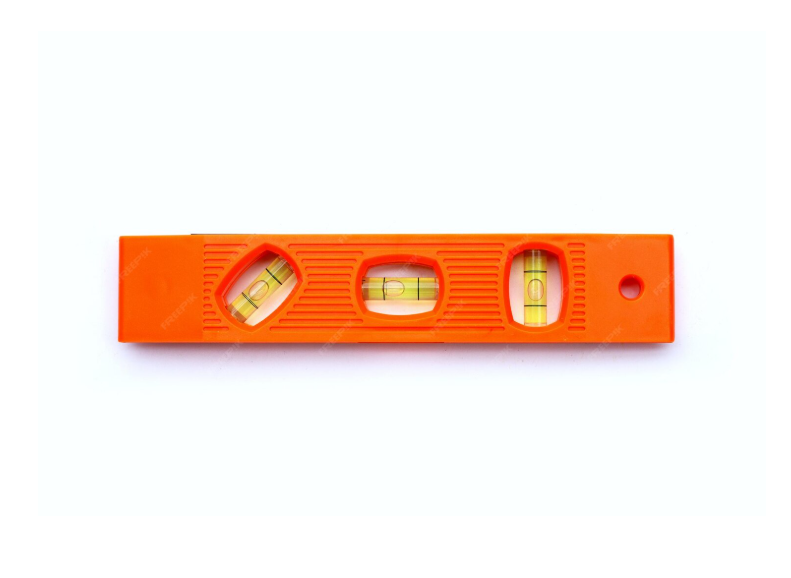
The guardian of plumb and level, our spirit level ensures absolute accuracy in construction and installation. High-impact aluminum frames house multiple precision-ground vials for checking horizontal, vertical, and 45-degree angles. Magnetic edges on some models allow for hands-free use on metal studs or pipes. Whether framing a wall, hanging cabinets, or laying patio stones, this tool is fundamental for ensuring structures are perfectly straight, aligned, and true.
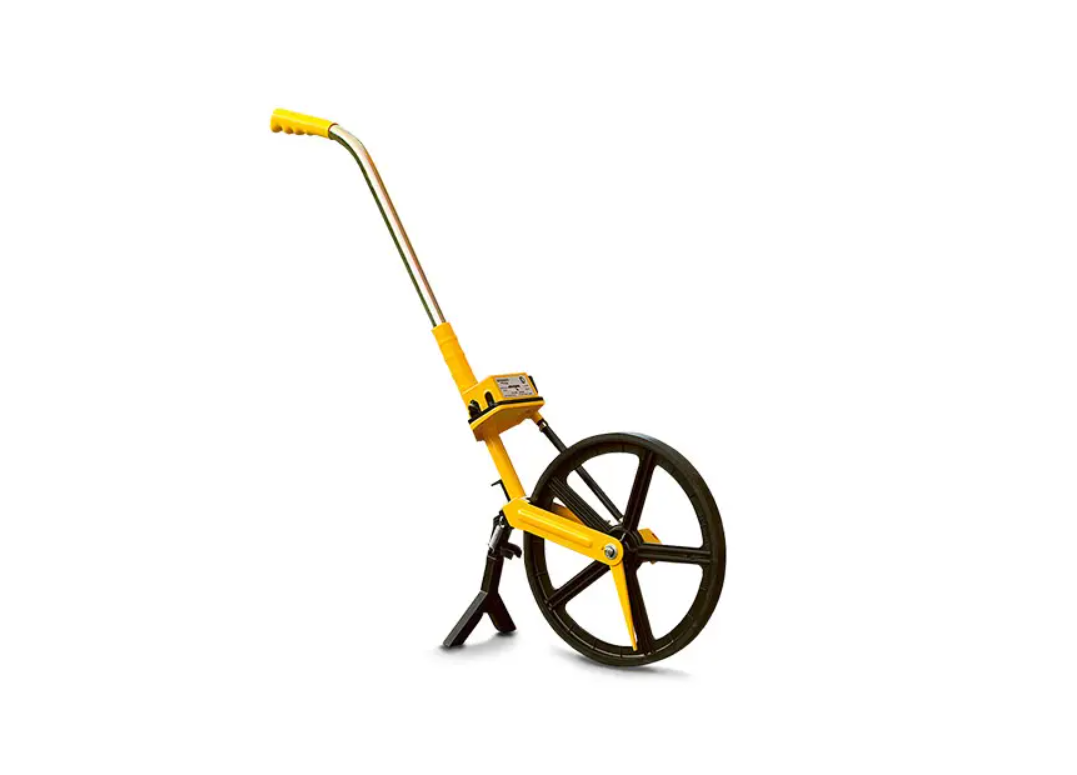
For fast and accurate long-distance measurements, our measuring wheel simplifies site surveys and layout. Simply roll it along the ground; the counter displays distance in feet or meters with a high degree of accuracy. Features include a sturdy wheel for rough terrain, a folding handle for easy transport, and a reset button. Ideal for measuring property boundaries, estimating materials for fencing or paving, and planning landscaping projects, it replaces the tedium of long tape measures.
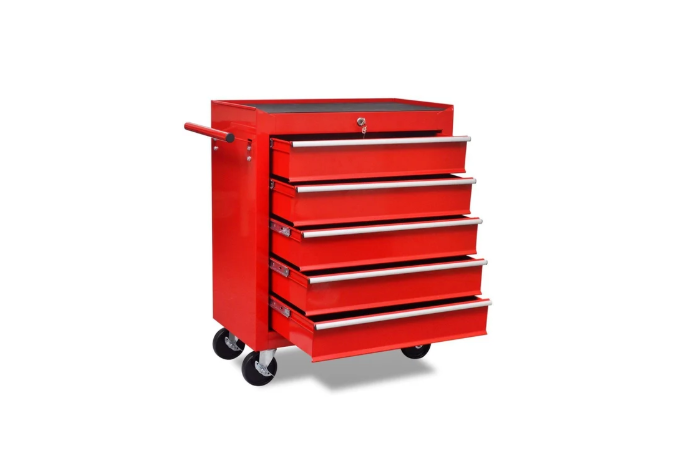
The organized heart of any workshop, our tool storage solutions protect your investment and boost productivity. Rugged tool boxes offer portable security with latched lids and carry handles, while multi-drawer steel cabinets provide vast, organized capacity for a complete tool collection. Featuring抽屉 with smooth glides, lockable doors, and customizable dividers, they keep every wrench, screwdriver, and power tool accessible and in its place. Essential for maintaining an efficient, safe, and professional working environment.
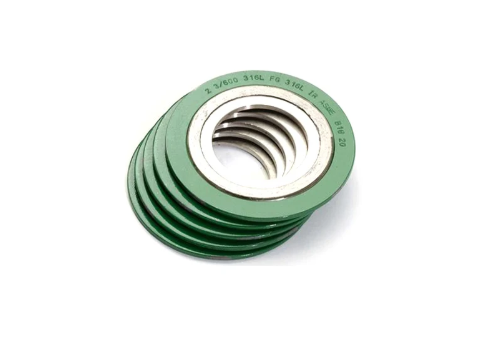
Gaskets are critical sealing components, engineered to create a leak-proof barrier between two mating flanges in a piping system. Our range includes flexible rubber gaskets for water and general service, chemically inert PTFE gaskets for aggressive fluids, and robust spiral wound gaskets (metal and filler) for high-pressure, high-temperature steam and hydrocarbon applications. Each type is precision-cut to ensure uniform compression and a reliable seal, preventing fugitive emissions and ensuring system integrity and safety.
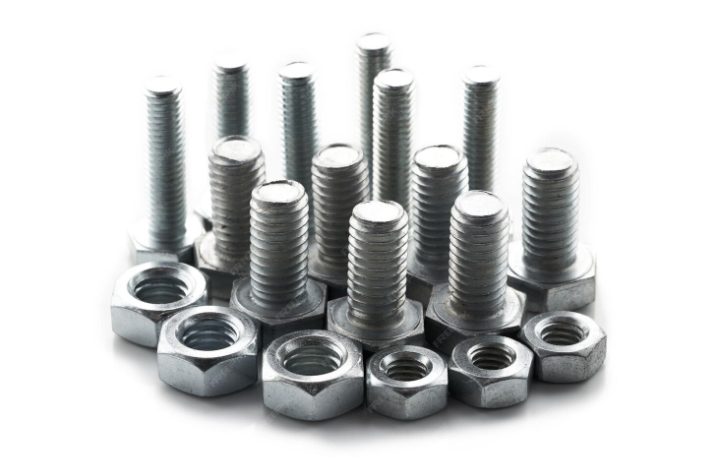
Our comprehensive range of industrial fasteners provides the structural integrity for flanged joints and mechanical assemblies. Manufactured from graded materials like carbon steel, stainless steel (A2/A4), and alloy steel, these bolts and nuts are designed to withstand specific tension, shear, and temperature requirements. Available in various standards (ANSI, DIN, BS), sizes, and finishes, they ensure secure, vibration-resistant connections for everything from pipe flanges and machinery bases to structural frameworks, maintaining pressure containment and operational safety.
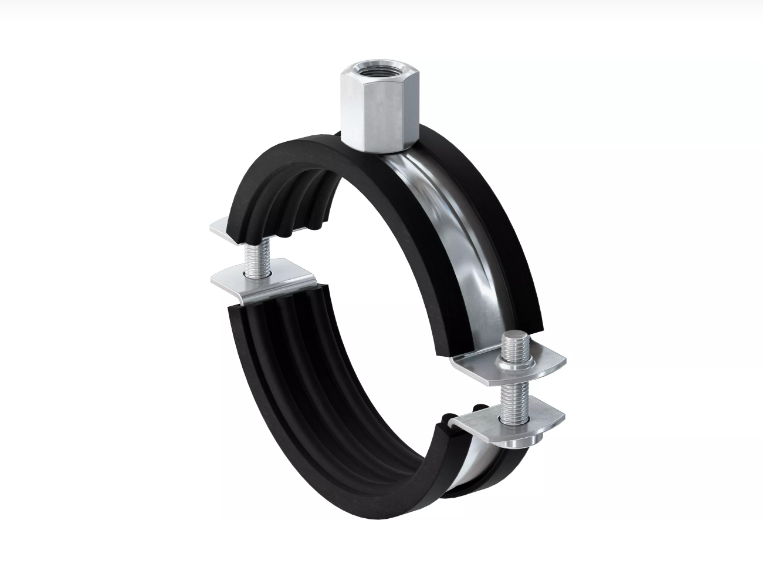
Pipe clamps provide essential support, anchoring, and vibration damping for pipelines. Constructed from malleable iron or galvanized steel, they consist of a two-piece housing lined with noise-damping rubber or EPDM cushions to protect the pipe’s exterior. They securely mount to structures via integrated threaded rods, preventing sagging, controlling thermal expansion movement, and reducing stress on connected equipment. Available in various sizes and load ratings, they are fundamental for stable, code-compliant piping installations in HVAC, industrial, and plumbing systems.
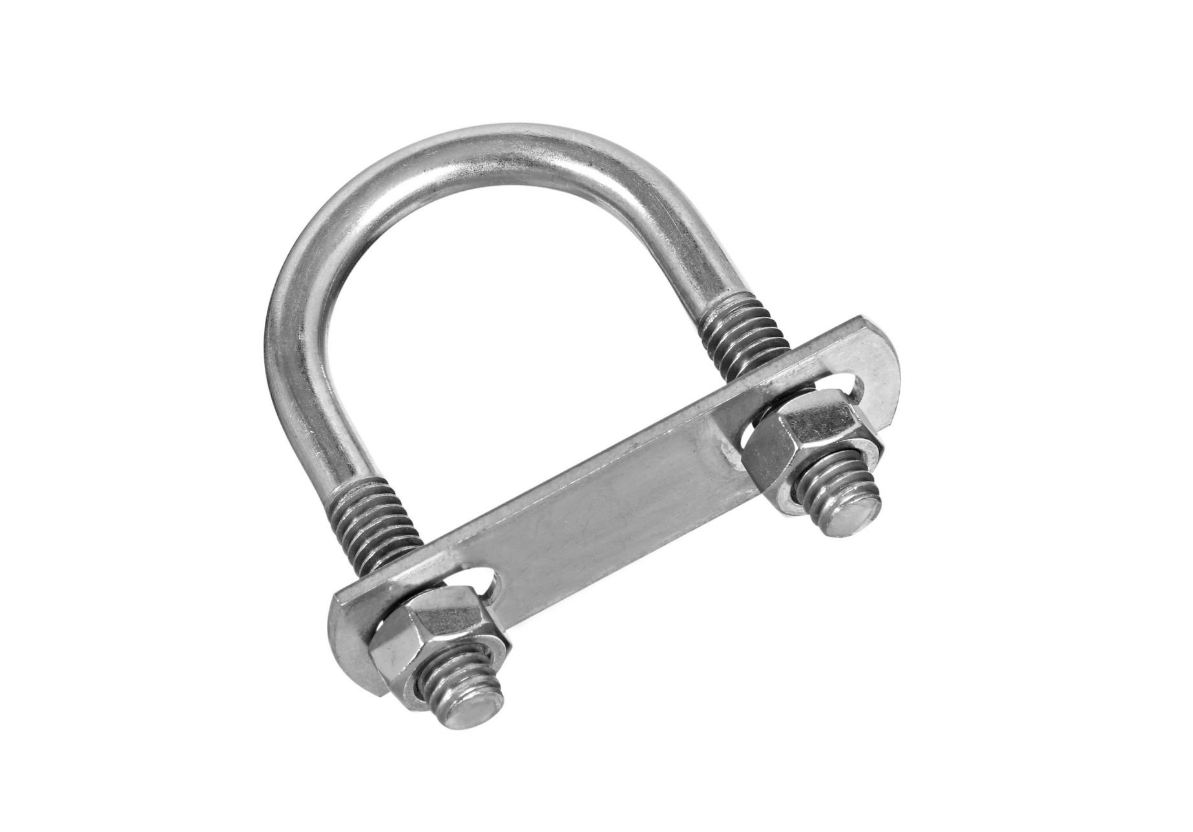
Designed for robust and versatile pipe mounting, U-Bolts are shaped to cradle and secure pipes, tubes, or conduits to beams, walls, or ceilings. Made from durable galvanized or stainless steel, they provide a strong mechanical grip that prevents lateral movement and supports vertical loads. Commonly used to secure round objects in industrial settings, vehicle exhaust systems, and structural applications, their simple two-bolt design allows for quick installation and adjustment, offering reliable, long-term fixture stability.
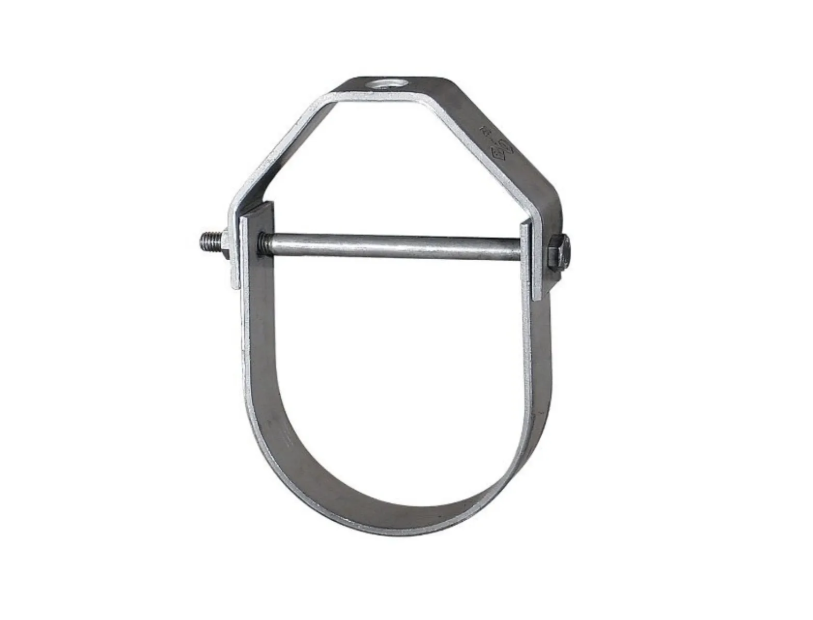
This extensive category encompasses all devices designed to bear the weight of a pipeline system while allowing for controlled movement. Our range includes clevis hangers, roller supports, constant support hangers, and spring hangers. They are engineered to suspend pipes from structural steel, accommodating thermal growth, absorbing vibration, and preventing undue stress on nozzles and connections. Correct selection and installation are paramount for system longevity, safety, and compliance with engineering standards in power plants, refineries, and large-scale HVAC.
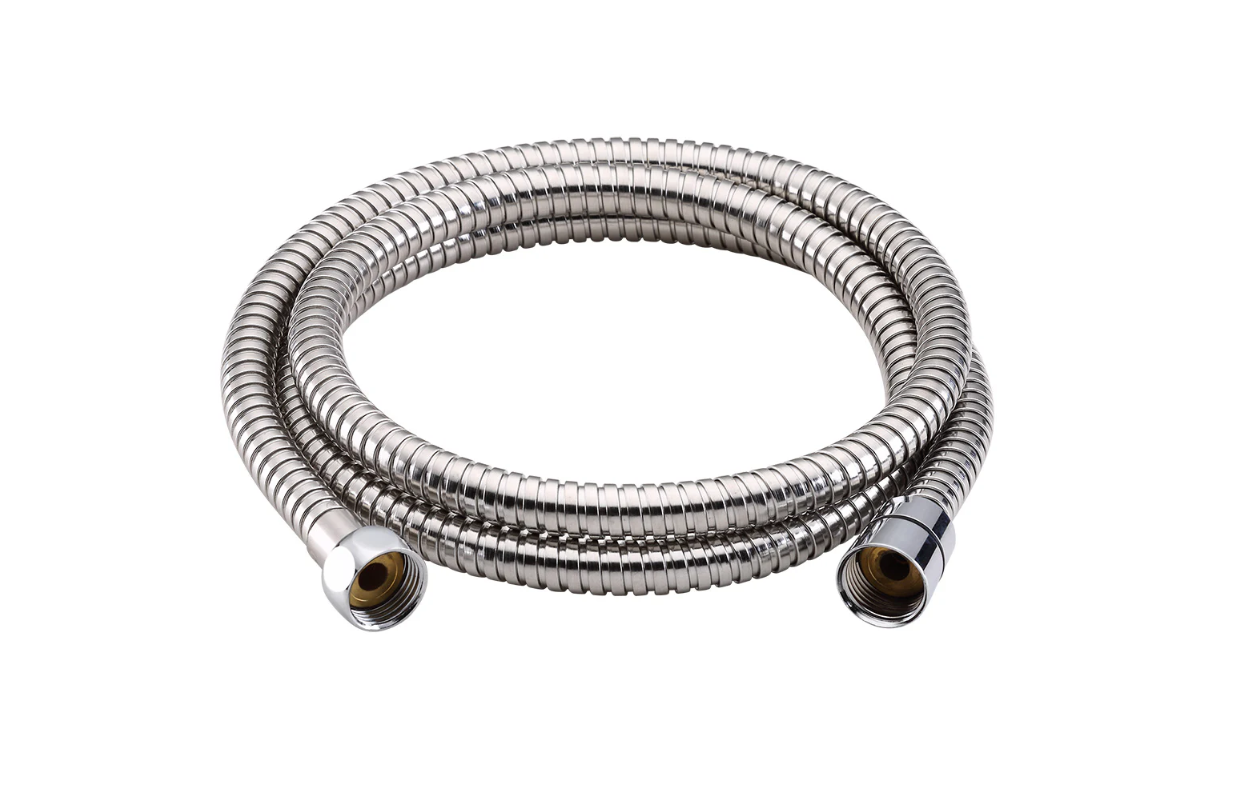
Providing crucial flexibility and ease of installation, flexible hoses connect components where rigid piping is impractical. Constructed with an inner core (rubber, PTFE, or metal), reinforcement braiding (stainless steel or textile), and an external cover, they accommodate misalignment, vibration, and limited movement. They are essential for connecting pumps, chillers, and appliances to main lines in applications ranging from domestic water and gas to industrial chemical transfer and hydraulic systems, offering durability under pressure and movement.
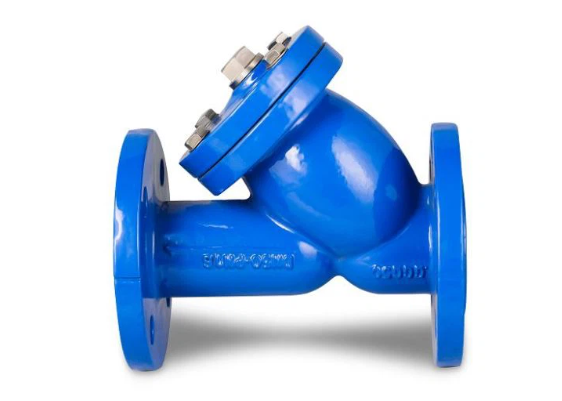
Pipeline protectors, strainers are inline filtration devices that remove debris—such as scale, rust, and weld slag—to safeguard sensitive downstream equipment like pumps, valves, and meters. Y-Type strainers are used in line-size pipelines for smaller particles, while Basket Strainers, with their larger dirt-holding capacity, are ideal for mainline or pump suction protection. Constructed from cast iron, carbon steel, or stainless steel with perforated or mesh screens, they are vital for maintaining system efficiency and preventing costly equipment damage.
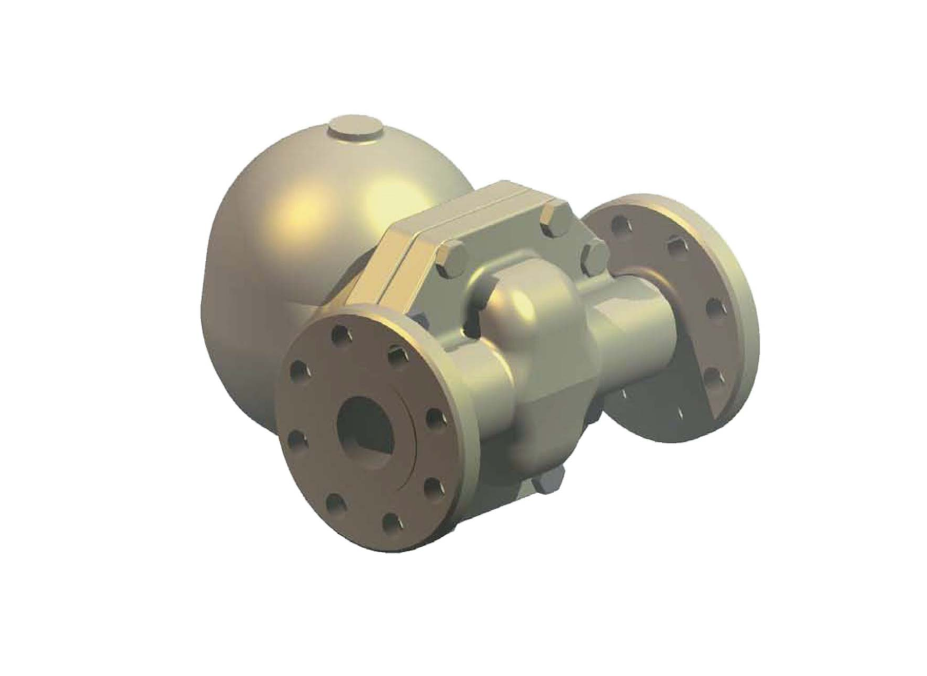
A steam trap is an automatic valve that discharges condensate, air, and non-condensable gases from a steam system while preventing live steam loss. Proper trap selection and operation are critical for energy efficiency and system performance. We offer the main types: Thermodynamic (Disc) for main drips, Thermostatic (Bellows) for tracing and heating, and Mechanical (Float) for process equipment. Each is engineered for specific pressure, capacity, and application requirements, ensuring optimal steam utilization, reducing fuel costs, and maximizing process heat transfer.