
Leading industrial and construction solutions provider in UAE & India. Supplying oil & gas equipment, building materials, electricals, and more.
Leading industrial and construction solutions provider in UAE & India. Supplying oil & gas equipment, building materials, electricals, and more.
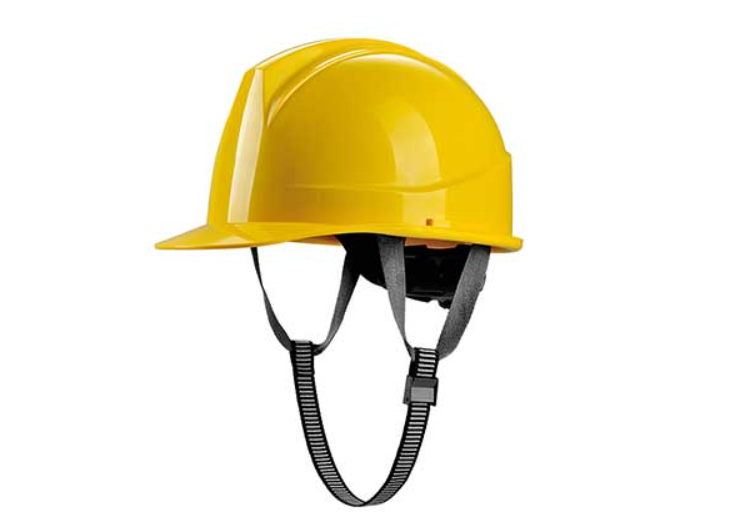
Safety helmets are essential protective gear designed to safeguard the head from impact, falling objects, and electrical hazards. They are widely used at construction sites, factories, mining areas, and industrial plants. Manufactured using high-strength materials, helmets provide excellent shock absorption. Many models are designed to resist penetration and side impact. Safety helmets also protect against accidental head bumps in confined working areas. Adjustable suspension systems ensure comfort during long working hours. Some helmets offer electrical insulation for added safety. They help reduce the risk of serious head injuries. Compliance with safety standards makes them mandatory at worksites. A critical component of workplace safety management.
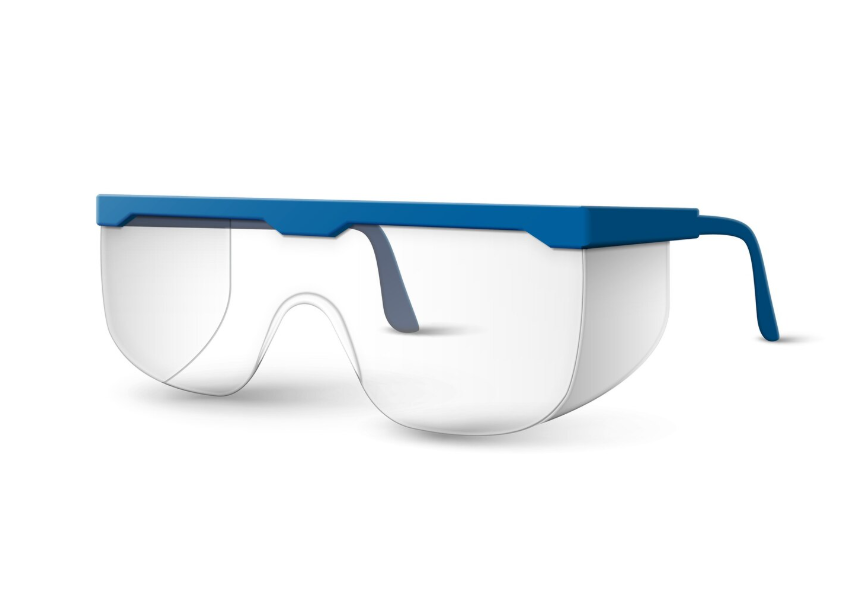
Safety goggles protect the eyes from dust, debris, chemicals, and flying particles. They are essential in construction, laboratories, workshops, and manufacturing units. Designed to provide a snug fit, goggles prevent harmful substances from entering the eyes. Anti-fog and scratch-resistant coatings enhance visibility and durability. Safety goggles also protect against chemical splashes and sparks. They help reduce the risk of eye injuries and long-term vision damage. Available in clear and tinted options for different environments. Comfortable designs allow extended usage. Lightweight construction ensures minimal strain. An essential part of personal eye protection.
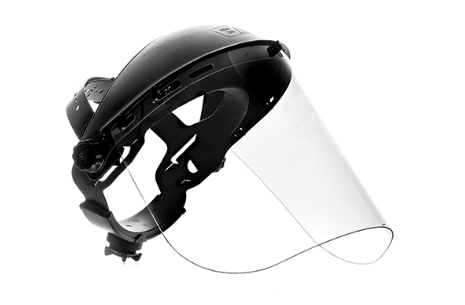
Face shields provide full-face protection against flying particles, chemical splashes, sparks, and heat. Commonly used in grinding, cutting, welding, and chemical handling operations. They offer wider coverage compared to goggles alone. Face shields help protect the eyes, nose, mouth, and face simultaneously. Made from high-impact resistant materials, they ensure durability. Adjustable headgear provides comfort and secure fit. Can be used along with safety helmets and goggles. Face shields reduce risk of facial injuries and burns. Suitable for industrial and laboratory environments. Essential for high-risk operations.
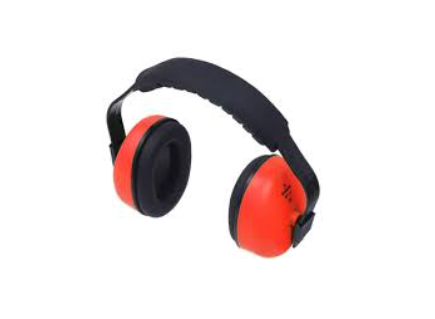
Ear plugs and ear muffs protect workers from excessive noise exposure. They are essential in factories, power plants, and construction sites. Prolonged noise exposure can cause hearing loss, which these devices help prevent. Ear plugs fit directly into the ear canal for noise reduction. Ear muffs cover the ears completely and provide higher noise attenuation. Comfortable designs allow long-term use without discomfort. Available in disposable and reusable options. Help maintain compliance with occupational noise safety standards. Reduce fatigue and stress caused by loud environments. Crucial for auditory safety at noisy workplaces.
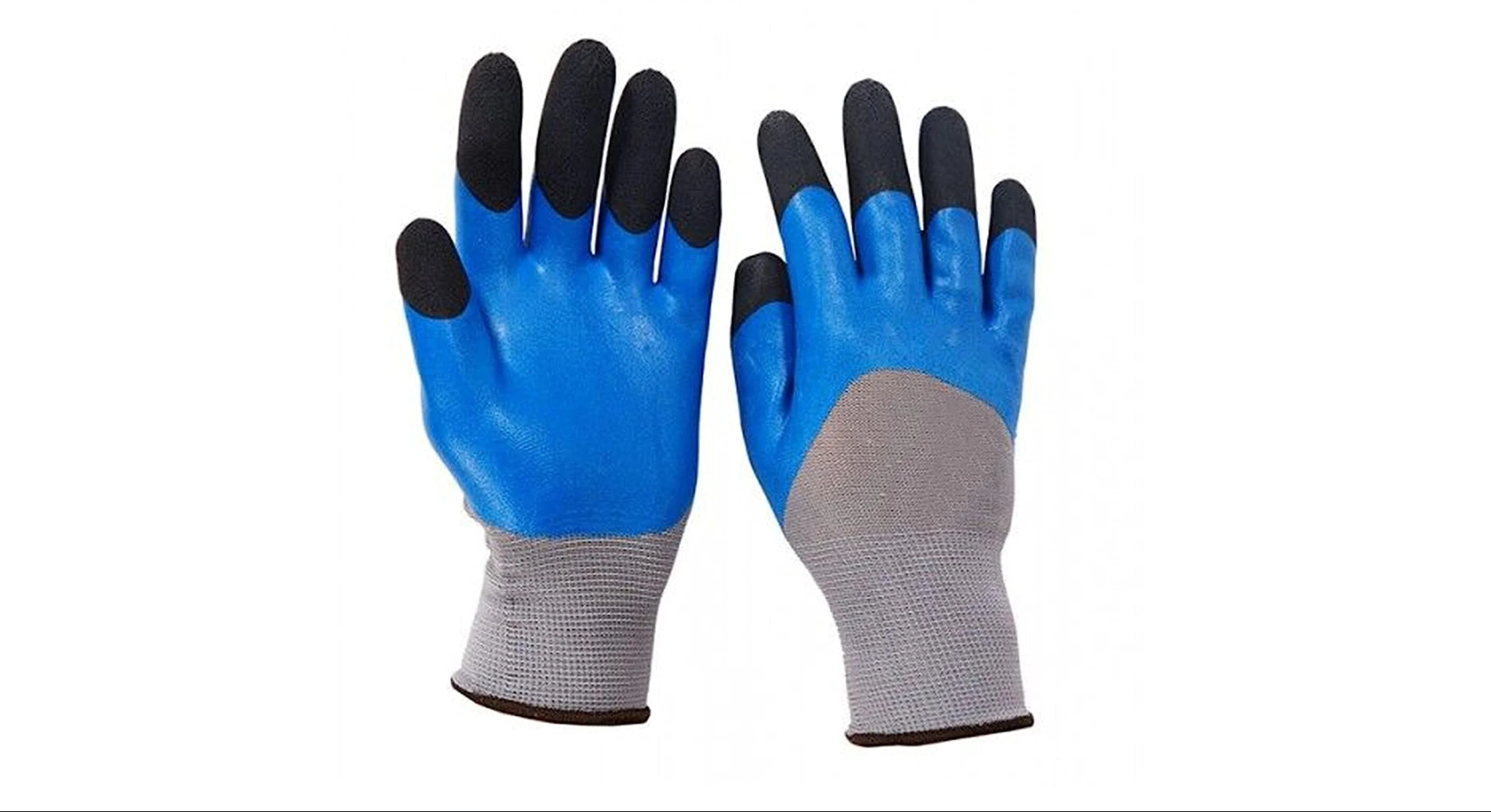
Safety gloves protect hands from cuts, abrasions, chemicals, heat, and electrical hazards. Available in cotton, leather, rubber, and cut-resistant varieties. Used across construction, manufacturing, chemical, and mechanical industries. Gloves enhance grip and handling efficiency. They prevent injuries caused by sharp objects and rough surfaces. Chemical-resistant gloves protect against harmful liquids. Cut-resistant gloves reduce risk during metal handling. Comfortable fitting ensures flexibility and dexterity. Gloves improve productivity while maintaining safety. A vital hand protection solution.
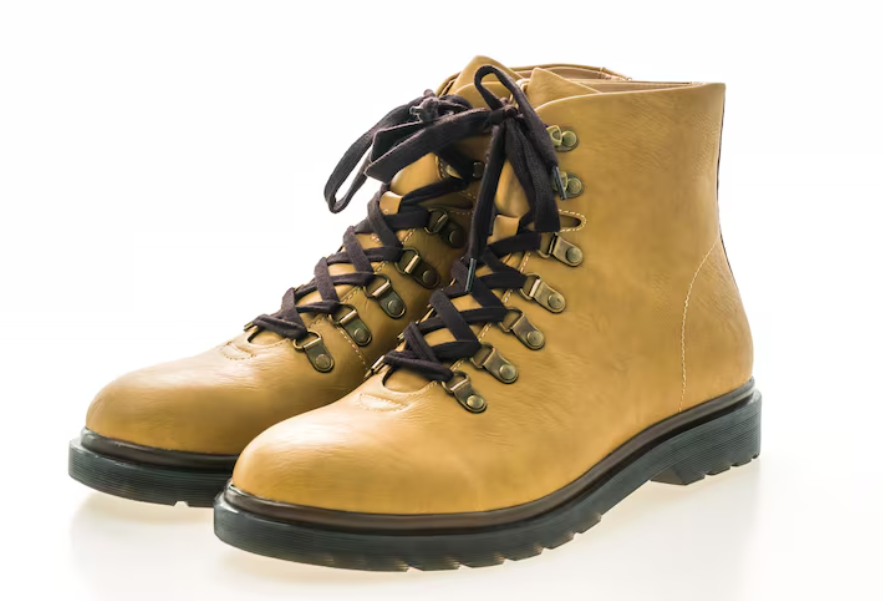
Safety shoes are designed to protect feet from impact, compression, and slipping hazards. Steel-toe boots protect toes from heavy falling objects. Commonly used in construction sites, factories, and warehouses. Anti-slip soles reduce the risk of falls. Safety shoes also provide protection against punctures and electrical hazards. Durable construction ensures long service life. Comfortable cushioning supports long working hours. Oil and chemical-resistant soles improve safety. Helps prevent serious foot injuries. Mandatory footwear for industrial safety compliance.
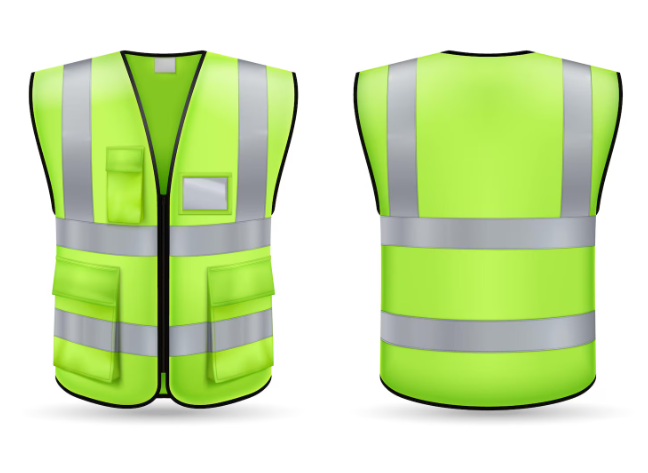
Reflective safety vests enhance worker visibility in low-light and high-traffic environments. Widely used in construction sites, road work, and industrial facilities. Bright colors and reflective strips improve visibility during day and night. These vests reduce the risk of accidents involving vehicles or machinery. Lightweight and breathable materials ensure comfort. Easy to wear over regular clothing. Helps supervisors identify workers quickly. Essential for traffic and roadside operations. Improves overall site safety. A key element in personal visibility protection.
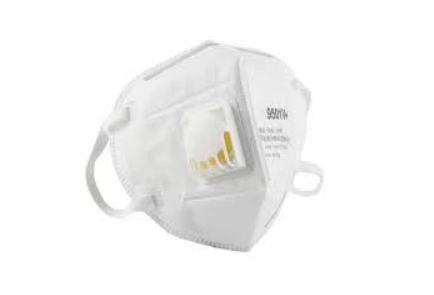
Dust masks protect against inhalation of dust, smoke, and airborne particles. Commonly used in construction, woodworking, and cement handling areas. They help reduce respiratory irritation and discomfort. Designed for comfortable breathing during extended use. Lightweight and disposable options available. Dust masks improve air quality intake. Not suitable for toxic gases but ideal for general dust protection. Helps maintain respiratory health. Easy to wear and replace. A basic yet essential safety product.
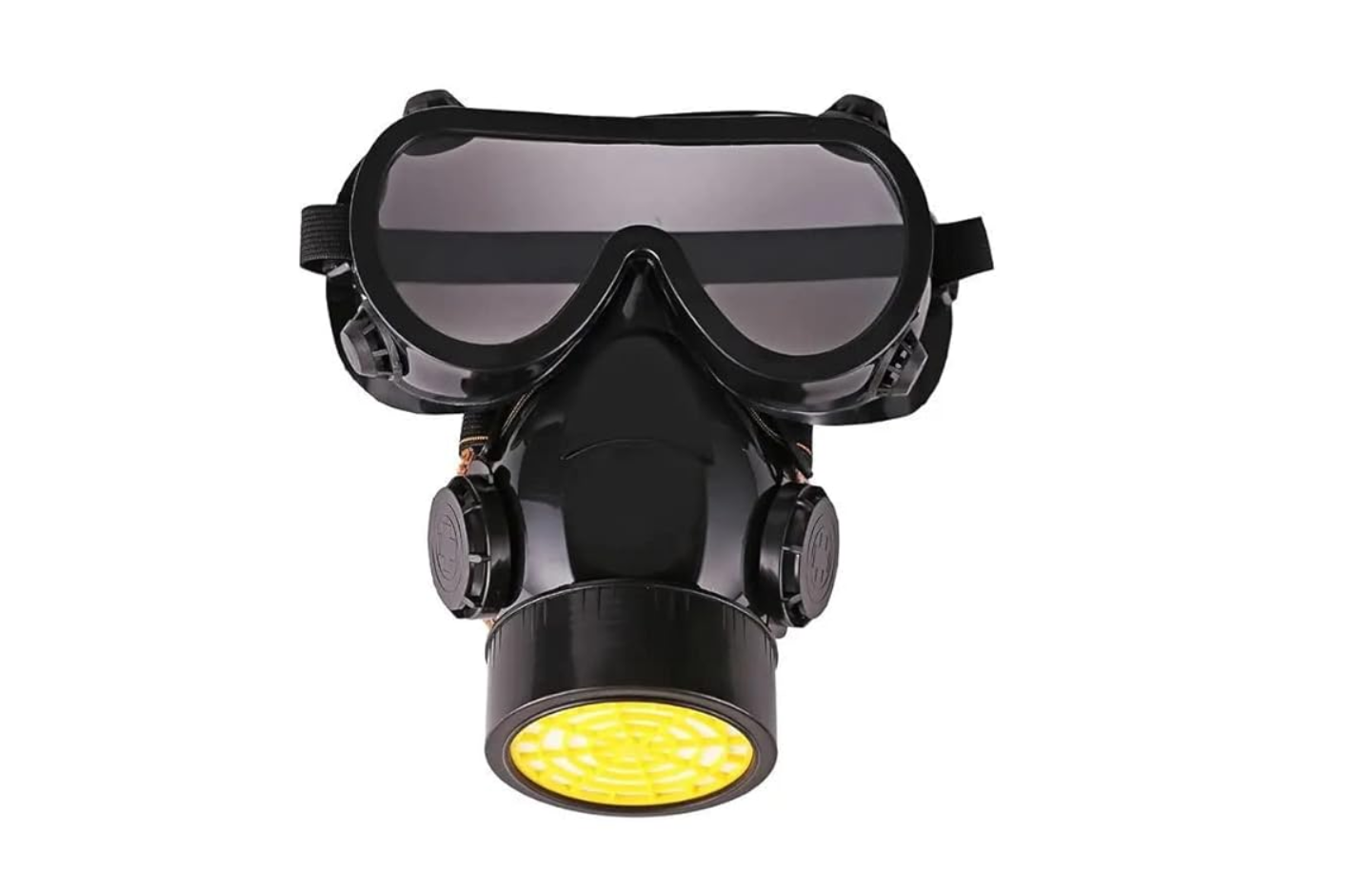
Respirators provide advanced protection against hazardous fumes, gases, and fine particles. Used in chemical plants, painting, and hazardous environments. They offer higher filtration compared to dust masks. Respirators protect lungs from long-term health damage. Available in half-face and full-face designs. Replaceable filters ensure extended usability. Designed for a secure and airtight fit. Essential for toxic and low-oxygen environments. Help meet industrial safety regulations. Critical for respiratory safety.
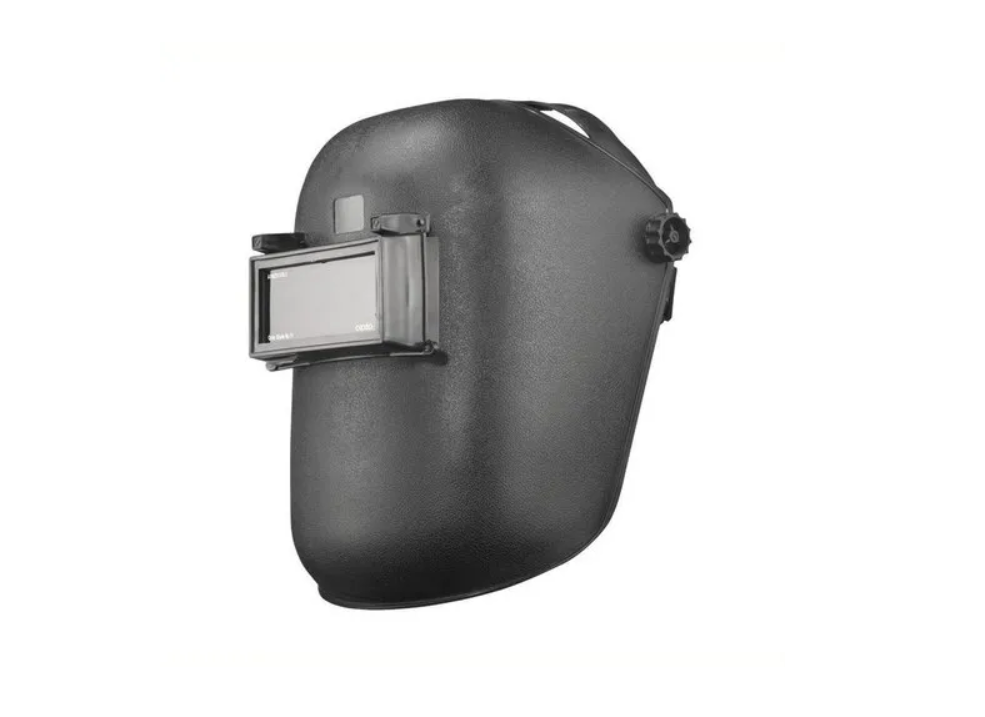
Welding masks protect eyes and face from intense light, sparks, and heat during welding. They prevent eye damage caused by UV and infrared radiation. Commonly used in fabrication and metalworking industries. Auto-darkening features improve visibility and safety. Masks protect against flying molten metal particles. Comfortable headgear allows hands-free operation. Durable construction ensures long-term performance. Reduces risk of burns and eye strain. Essential for professional welding tasks. A mandatory safety tool for welders.
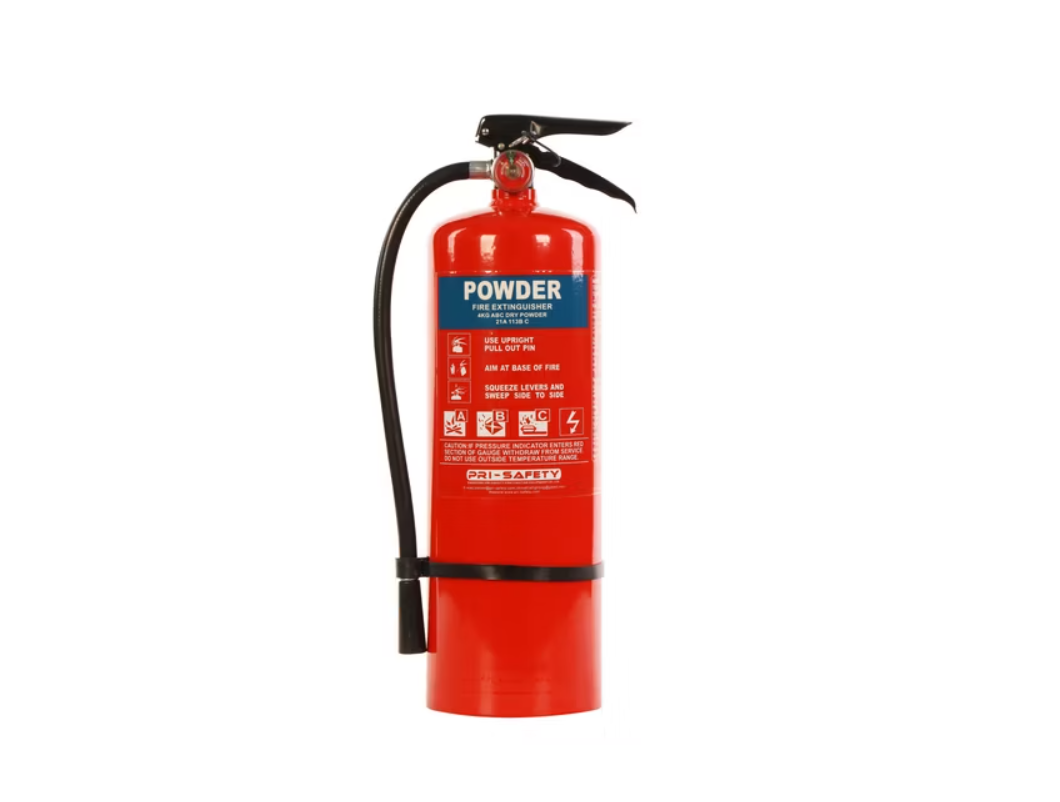
Fire extinguishers are critical safety devices used to control and extinguish fires during emergencies. ABC extinguishers are suitable for common fires involving solid materials, liquids, and electrical equipment. CO₂ extinguishers are ideal for electrical and flammable liquid fires as they leave no residue. Foam extinguishers are effective for liquid fires by forming a smothering layer. These extinguishers help prevent small fires from escalating into major incidents. Widely used in offices, factories, warehouses, and commercial buildings. Easy-to-operate designs ensure quick response during emergencies. Regular inspection and maintenance ensure reliability. Fire extinguishers are mandatory as per safety regulations. They play a vital role in workplace fire safety management.
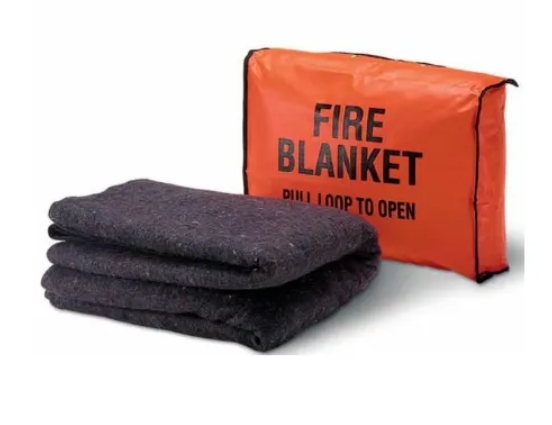
Fire blankets are designed to smother small fires and protect people from flames. They are commonly used for kitchen fires, electrical fires, and clothing fires. Made from fire-resistant materials, they cut off oxygen supply to the fire. Fire blankets are easy to use and require no training. They are ideal for quick response situations. Also used to wrap around individuals to extinguish flames on clothing. Compact design allows easy storage near fire-prone areas. Fire blankets provide an additional layer of fire safety. Suitable for residential, commercial, and industrial use. A simple yet effective fire safety solution.
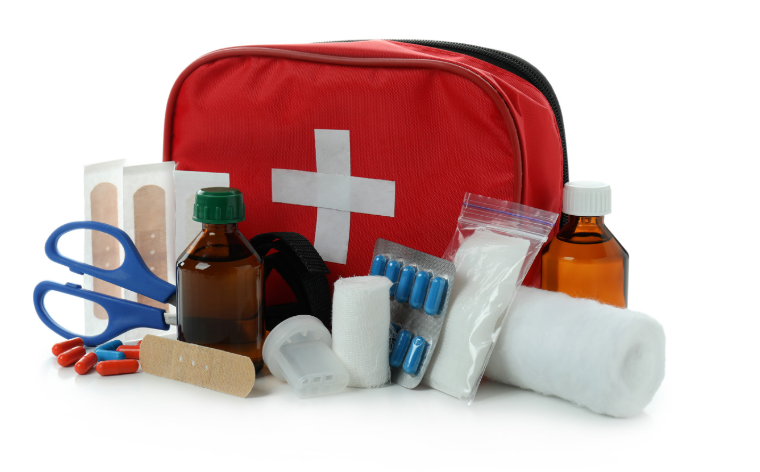
First aid kits provide immediate medical assistance during workplace injuries. They contain essential medical supplies for cuts, burns, and minor accidents. First aid kits help reduce the severity of injuries before professional help arrives. Widely used in factories, construction sites, offices, and warehouses. Well-organized kits allow quick access to supplies. Regular replenishment ensures readiness at all times. First aid kits support workplace health and safety compliance. They help reduce downtime caused by injuries. Essential for emergency preparedness. A basic requirement for every workplace.
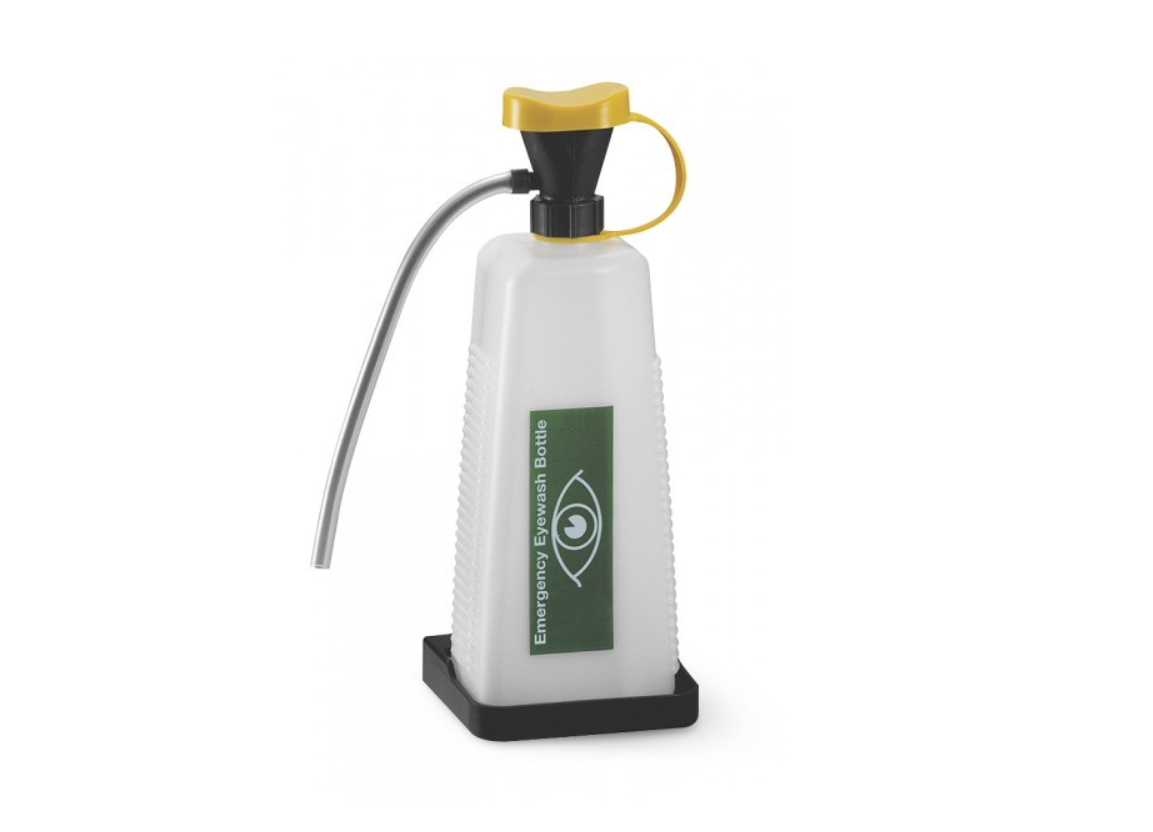
Emergency eye wash bottles are used to flush contaminants from the eyes instantly. They are critical in workplaces dealing with chemicals, dust, and hazardous substances. Quick eye flushing helps prevent serious eye injuries. Portable bottles allow immediate access during emergencies. Designed to deliver controlled and continuous water flow. Widely used in laboratories, factories, and chemical plants. Easy-to-use design ensures rapid response. Eye wash bottles improve workplace safety standards. They reduce the risk of permanent eye damage. A vital safety product for hazardous environments.
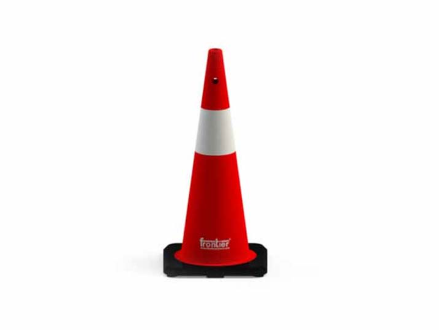
Safety cones are used to mark hazardous areas and control movement. They help prevent accidents by alerting workers and visitors. Commonly used at construction sites, warehouses, and road work areas. Bright colors improve visibility in low-light conditions. Lightweight and easy to deploy. Safety cones help manage traffic and work zones efficiently. They reduce the risk of slips and collisions. Durable materials ensure long-term use. Reusable and cost-effective safety solution. Essential for temporary hazard management.
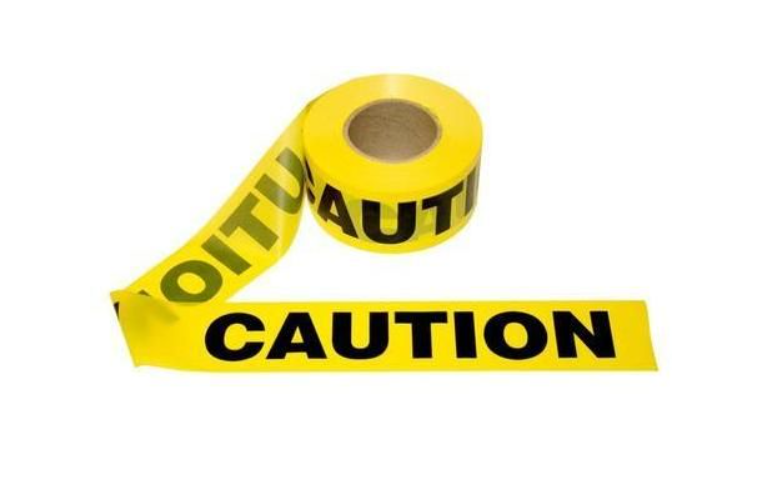
Caution tapes are used to restrict access to unsafe or restricted areas. They provide clear visual warning to workers and visitors. Widely used during maintenance, repairs, and construction activities. Bright colors and bold text ensure visibility. Easy to install and remove as needed. Caution tapes help prevent unauthorized entry. They support temporary safety control measures. Lightweight and cost-effective solution. Used in industrial, commercial, and public areas. A simple yet effective safety indicator.
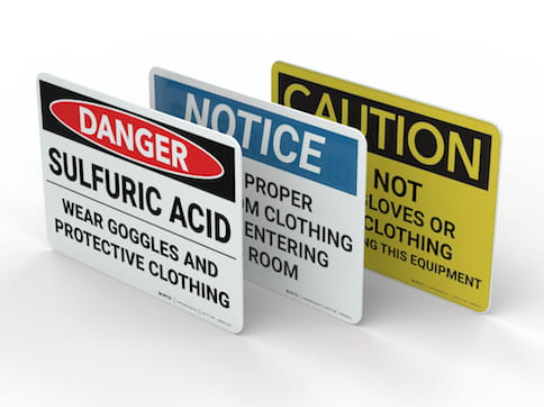
Safety signboards communicate important safety instructions and warnings. They help promote awareness and safe behavior at workplaces. Used to indicate hazards, mandatory actions, and emergency exits. Clear symbols and text ensure easy understanding. Safety signboards help reduce accidents and injuries. They are essential for safety compliance and audits. Durable materials ensure long-lasting visibility. Suitable for indoor and outdoor use. Widely used in factories and construction sites. A key component of workplace safety communication.
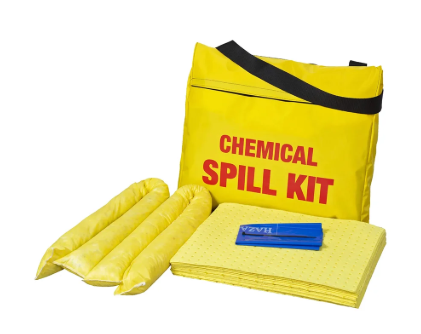
Spill kits are designed to handle accidental spills of chemicals, oils, and hazardous liquids. They contain absorbents, gloves, and disposal tools. Spill kits help control spills quickly and prevent environmental damage. Widely used in industrial plants and laboratories. Easy-to-use components allow fast response. They reduce slip hazards and contamination risks. Spill kits support environmental safety compliance. Available for different types of spills. Essential for emergency preparedness. A must-have for hazardous material handling areas.
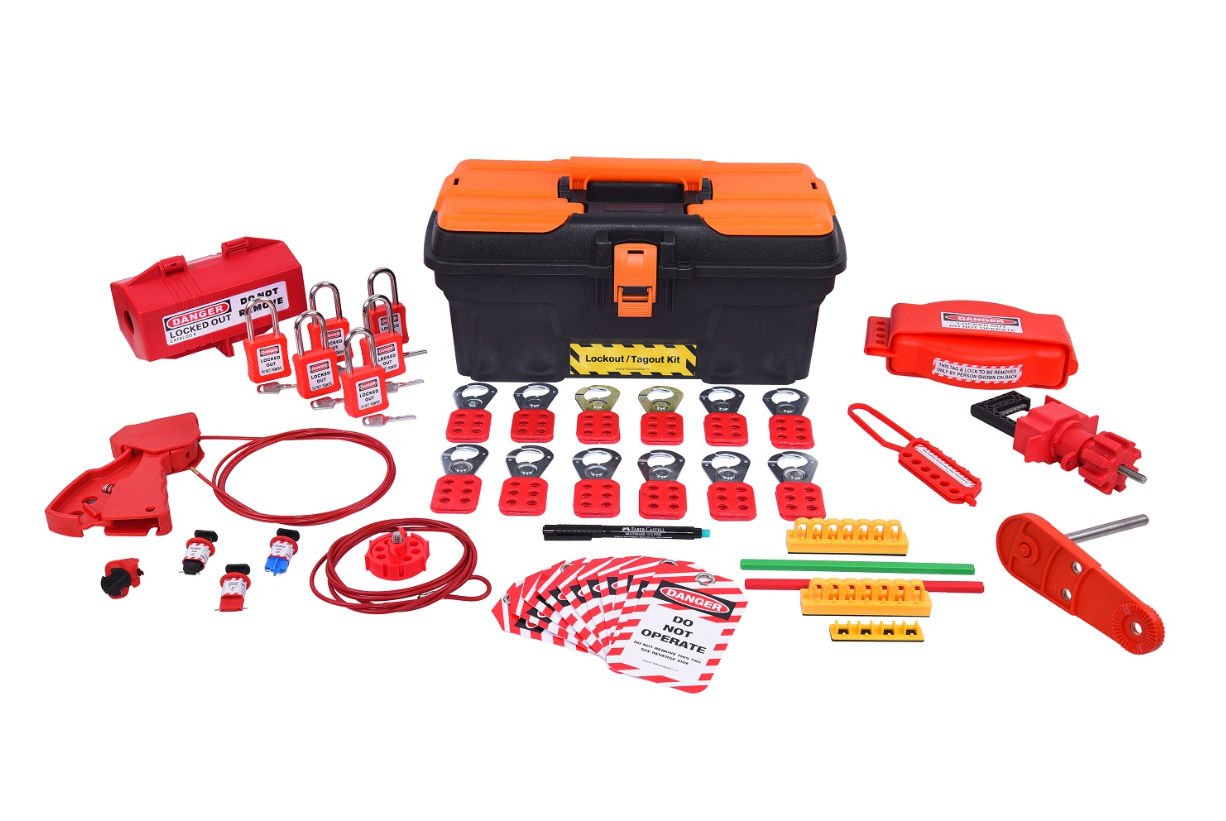
LOTO kits are used to isolate machinery during maintenance and repairs. They prevent accidental startup of equipment. Lockout–Tagout procedures protect workers from electrical and mechanical hazards. Kits include locks, tags, and devices for energy isolation. Widely used in industrial and manufacturing facilities. LOTO systems help reduce serious workplace accidents. They ensure compliance with safety regulations. Easy-to-identify tags improve communication. LOTO kits promote safe maintenance practices. Critical for equipment safety management.
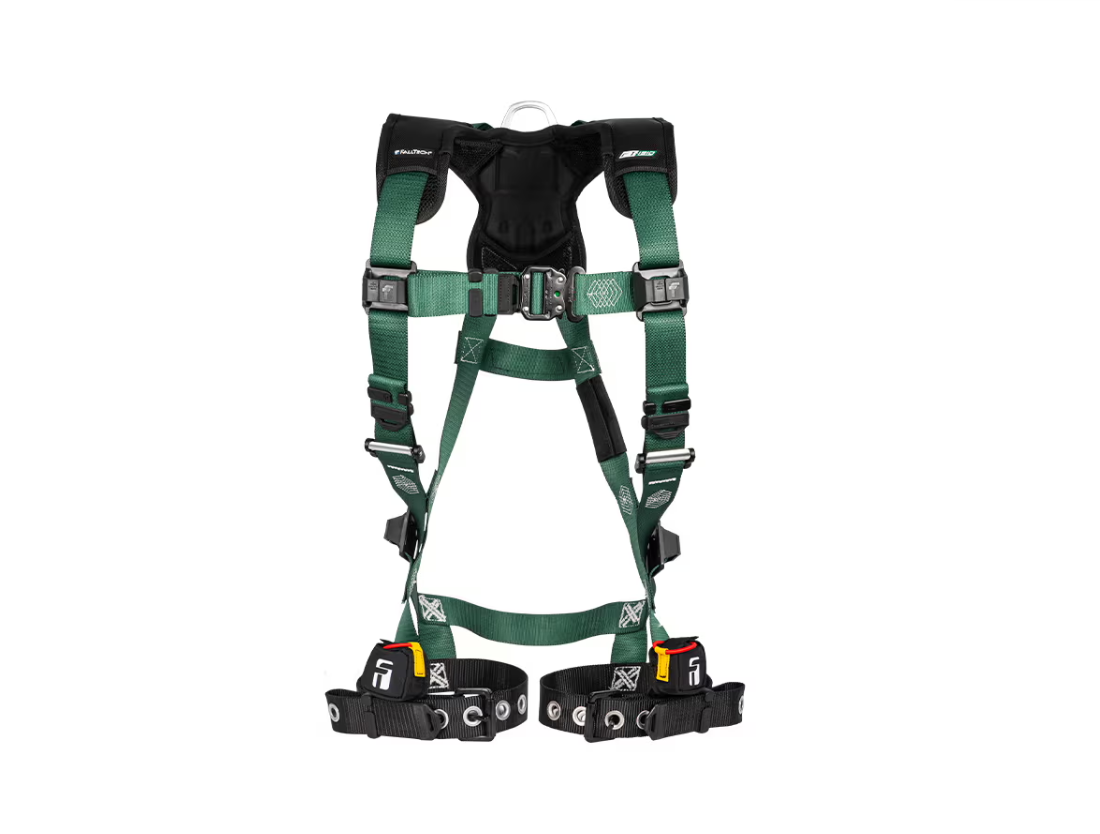
Safety harnesses protect workers from falls while working at heights. They distribute fall impact forces across the body. Commonly used in construction, maintenance, and tower work. Designed for comfort during long working hours. Adjustable straps ensure proper fit. Harnesses reduce the risk of serious injuries. Made from high-strength materials for durability. Compatible with other fall protection equipment. Mandatory for height safety compliance. A core element of fall protection systems.
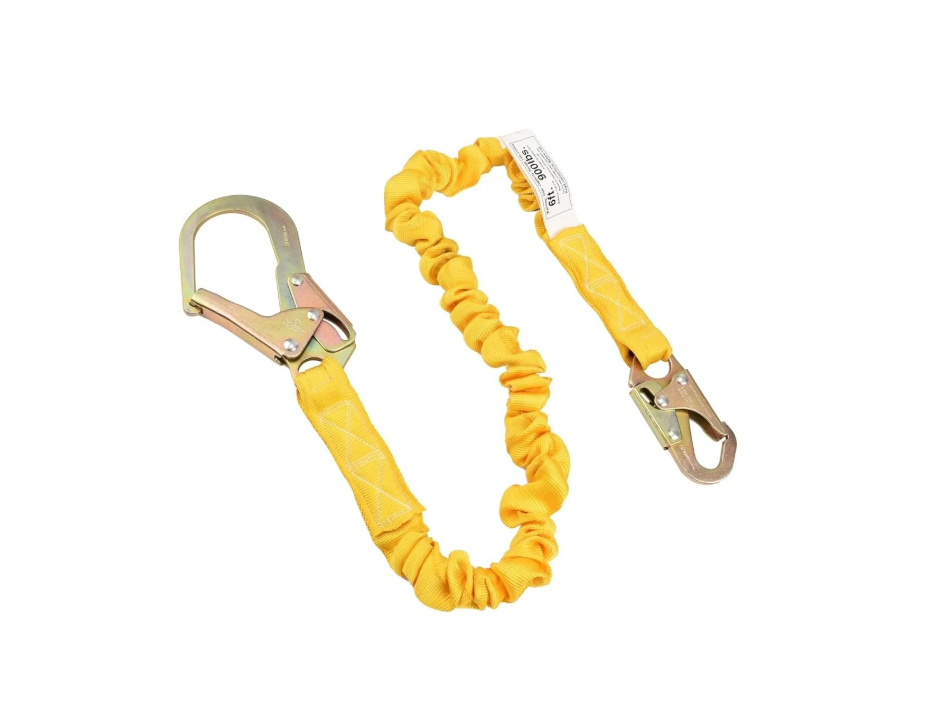
Lanyards connect safety harnesses to anchor points. They limit fall distance and absorb shock during a fall. Available in energy-absorbing and restraint types. Widely used in height-related work environments. Lanyards improve overall fall protection effectiveness. Durable construction ensures reliability. Proper selection enhances worker safety. Easy to use and inspect. Reduces injury risk during falls. Essential component of personal fall arrest systems.
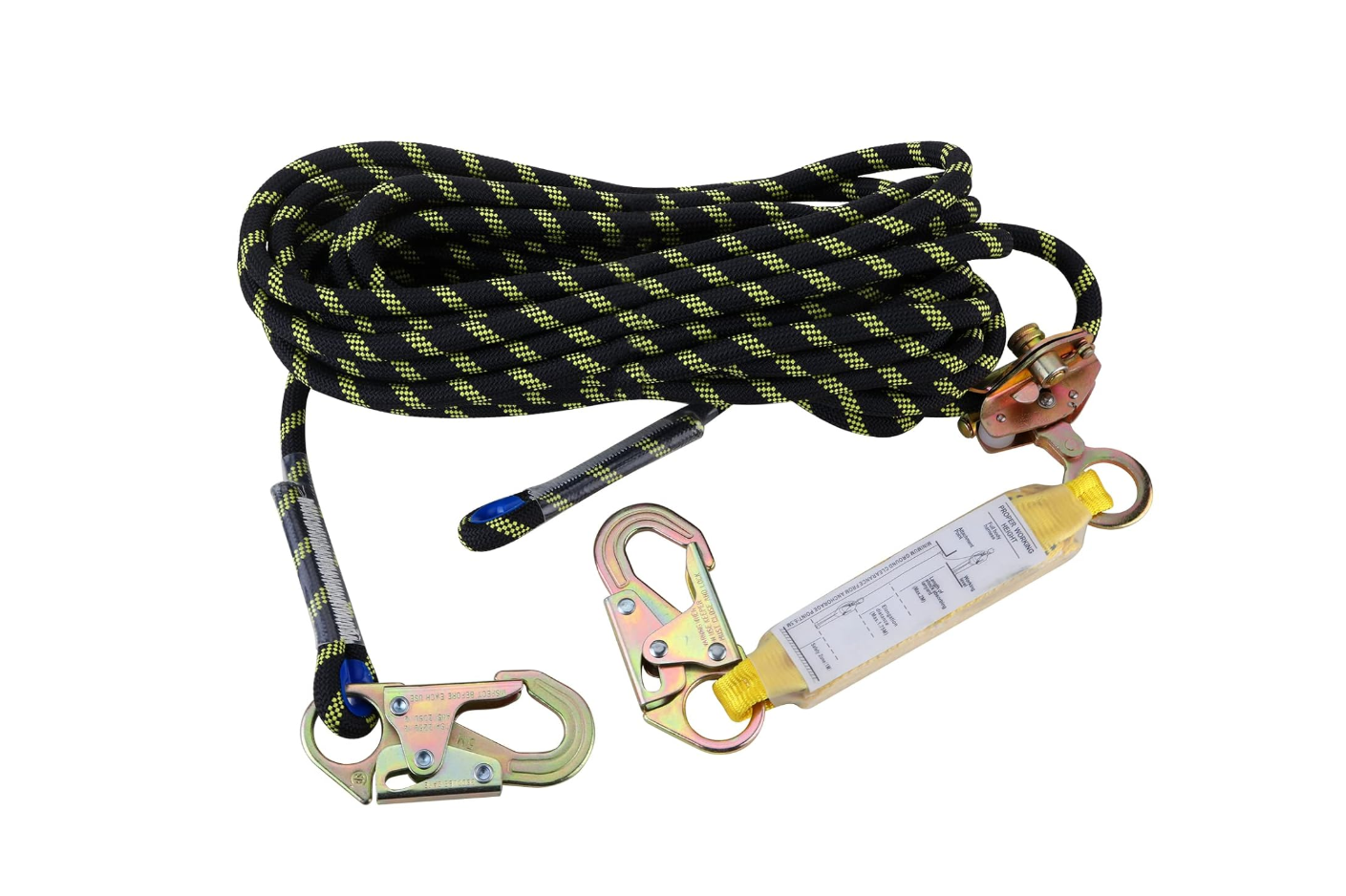
Lifelines provide continuous anchorage for workers at height. They allow safe movement along work areas. Used in roofing, scaffolding, and elevated platforms. Horizontal and vertical lifelines offer flexibility. Designed to withstand heavy loads. Lifelines enhance mobility without compromising safety. They reduce the risk of accidental falls. Suitable for multiple users. Essential for complex height work. A key fall protection solution.
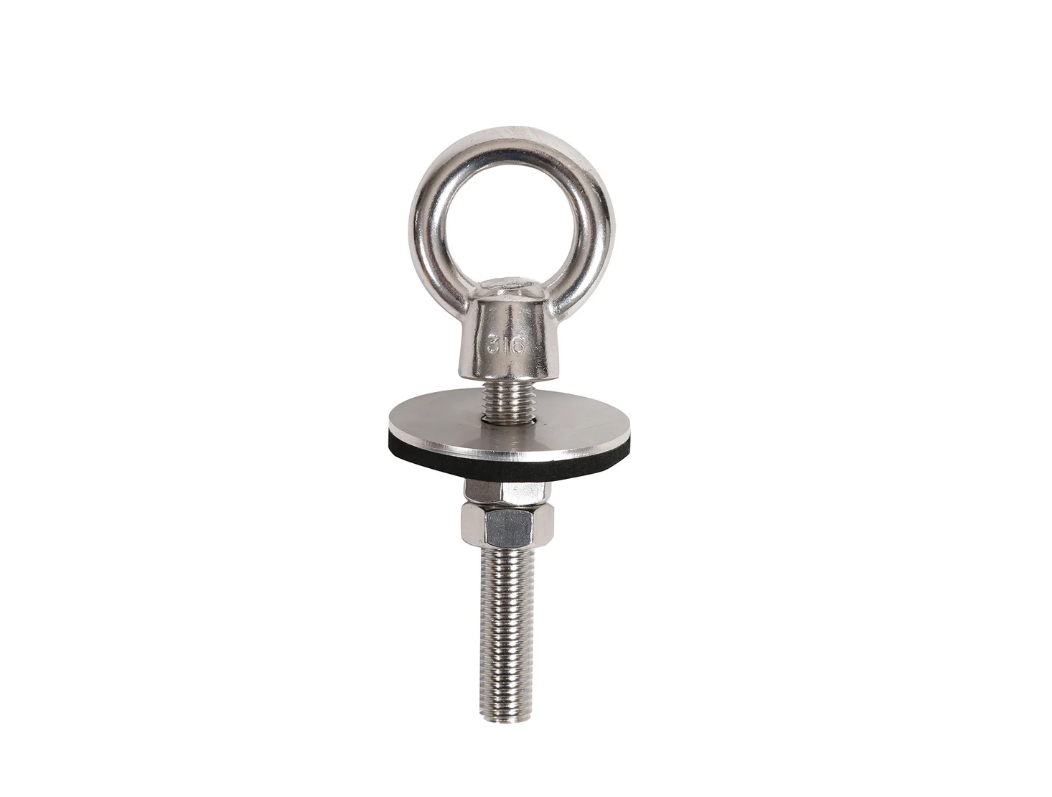
Anchor points serve as secure attachment points for fall protection systems. They support harnesses, lanyards, and lifelines. Properly installed anchor points ensure system reliability. Used on roofs, structures, and industrial installations. Designed to handle high load capacities. Fixed or temporary options available. Anchor points are critical for fall arrest systems. They ensure worker safety at heights. Must comply with safety standards. A fundamental element of fall protection setups.